


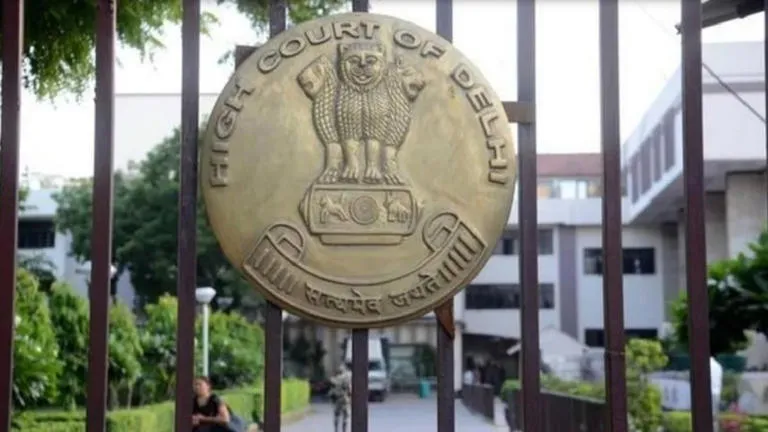

Delhi HC Appoints Justice Anu Baliga to Lead Fast-Track Court for Paper Leak Cases

The CSR Journal Magazine

The Delhi High Court has appointed Justice Anu Grover Baliga to head a Specially Designated fast-track court specifically aimed at addressing criminal cases related to examination paper leaks and the utilisation of unfair means in public assessments. This initiative is a direct response to Prime Minister Narendra Modi’s recent announcement regarding the establishment of fast-track courts, a move aimed at ensuring expedited trials and stringent actions against those engaged in these offences.

A notification from the High Court’s administration, released late on the evening of July 23, 2026, confirmed that Justice Baliga’s court would operate under the Public Examinations (Prevention of Unfair Means) Act, 2024. It will concurrently address associated criminal activities. The court will be located at the Rouse Avenue Court Complex and will commence its operations immediately.

This designation is a crucial development in the execution of the Prime Minister’s plan to create dedicated judicial avenues for handling examination-related crimes, which have caused significant concerns regarding the integrity of public recruitment and entrance tests.

Prime Minister Modi’s Comments on Paper Leaks

Modi asserted, “Nothing is more important than the welfare and future of our youth,” in a post on the social media platform X. He reiterated that the authorities are expected to take all requisite measures to implement this initiative. The Prime Minister’s statements reflect a broader commitment to safeguard students’ interests, underscoring that those who jeopardise the future of the youth will face repercussions.

His comments also illuminated the existing constitutional framework that governs fast-track courts. While the Union Government can devise policies, provide financial backing, and encourage states to endorse such courts, it is ultimately the responsibility of state and Union Territory governments to establish and manage them, in consultation with their respective High Courts.

Response from the Legal Community and Future Implications

The Delhi High Court’s decision to designate Justice Anu Grover Baliga’s court as a fast-track court is a proactive institutional response to the central government’s recent policy announcement. This move is anticipated to inspire similar actions from other High Courts and state authorities as they work to fortify the legal infrastructure necessary to combat examination paper leaks and to ensure more rapid prosecution of offenders.

As the legal framework continues to evolve, the efficacy of such fast-track courts in deterring examination malpractice will be a focal point of interest among legal scholars and practitioners. Further developments in this domain may lead to a more comprehensive approach to handling related legal issues effectively.

This recent announcement signals a potential shift in the judicial landscape regarding the handling of offences linked to examination integrity. Stakeholders from various sectors await the implications of this initiative, as it aims to restore confidence in the public examination system across the country.

Long or Short, get news the way you like. No ads. No redirections. Download Newspin and Stay Alert, The CSR Journal Mobile app, for fast, crisp, clean updates!

App Store –  https://apps.apple.com/in/app/newspin/id6746449540 

Google Play Store – https://play.google.com/store/apps/details?id=com.inventifweb.newspin&pcampaignid=web_share

Latest News

Popular Videos