


Public Health Concerns Grow Over Continued Use of 2,4-D in Agriculture
The CSR Journal Magazine

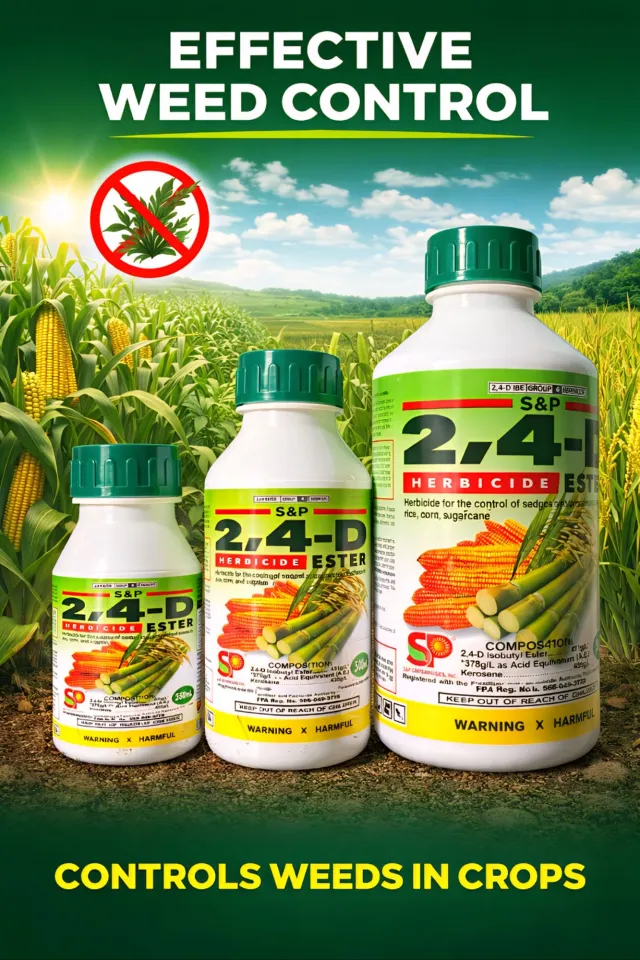
The herbicide 2,4-D (2,4-dichlorophenoxyacetic acid) has a controversial background, initially developed during World War II. Created in a US laboratory in 1941, it was synthesised by scientist R. Pokorny as a biological weapon rather than for agricultural use. Post-war, agrochemical companies patented the formula, which ingrained its use in global farming systems.

This chemical was engineered to destroy enemy crops, with the US and UK militaries seeking ways to induce mass starvation amongst adversaries. Due to wartime secrecy, the formula was never patented until after the war, leading to its commercialisation and widespread application in agriculture.

Historical Implications of 2,4-D during the Vietnam War

2,4-D’s most notorious application was during the Vietnam War from 1955 to 1975, particularly through the defoliant “Agent Orange.” The US military used this mixture, which included 2,4-D, to clear dense jungle canopies, thereby exposing guerrilla fighters. This strategy significantly affected Vietnamese agriculture by destroying essential crops, notably rice fields, and led to substantial environmental damage.

The aftermath left many Vietnamese citizens and American soldiers with severe health complications, including neurological disorders and various cancers, while subsequent generations experienced severe congenital disabilities due to the lasting effects of the chemical. Following international condemnation, the US military ceased its operations using Agent Orange in 1971.

Current Regulatory Environment in India

Despite these findings, regulatory actions took a surprising turn. Instead of enforcing a ban, the final Insecticides Prohibition Order issued in October 2023 allowed 2,4-D to remain on the market, albeit with minimal warning labels, raising questions regarding the influence of corporate interests over public health mandates.

Countries like Kuwait, Vietnam, and others have banned 2,4-D due to its known toxicity. Meanwhile, agrochemical industries have vocally opposed bans in India, arguing they threaten domestic manufacturing and export capabilities, which places commercial interests above health considerations.

The Impact on Ecology and Human Health

The continued application of 2,4-D raises significant ecological and health concerns, particularly its detrimental effects on honeybee populations. Research indicates chronic exposure weakens bee colonies, impairs foraging abilities, and disrupts their internal ecosystem. Such disruptions adversely affect crop pollination, crucial for food security.

Additionally, the chemical negatively impacts diverse wildflower populations, which serve as essential food sources for these pollinators. As bees decline, the repercussions for agricultural systems and food supply become increasingly severe, jeopardising both ecosystem health and human nutrition.

With 2,4-D’s troubling history linked to chemical warfare and its proven dangers, public advocacy is necessary to bring reform. Authorities must reconsider their stance on agricultural chemicals and prioritise human welfare and ecological balance over corporate profit. Until substantial changes are made, the use of this toxic herbicide will continue to compromise both environmental and public health.

Long or Short, get news the way you like. No ads. No redirections. Download Newspin and Stay Alert, The CSR Journal Mobile app, for fast, crisp, clean updates!

App Store –  https://apps.apple.com/in/app/newspin/id6746449540 

Google Play Store – https://play.google.com/store/apps/details?id=com.inventifweb.newspin&pcampaignid=web_share

Latest News

Popular Videos
