


Comparison Between Table Salt and Rock Salt in Cooking
The CSR Journal Magazine

Table salt stands as a fundamental ingredient in culinary practices globally, renowned for its fine texture and ease of use. This refined salt undergoes processing to eliminate impurities, making it a common choice for everyday recipes. Additionally, table salt typically includes added iodine, which is essential for supporting normal thyroid function.

Because of its finely granulated structure, table salt dissolves quickly in dishes, enhancing the flavours of various foods. It is versatile, suitable for cooking, baking, and seasoning, contributing to both flavour and balance in meals.

Moreover, table salt’s widespread availability in supermarkets and grocery stores contributes to its popularity among home cooks. Its reliability as a seasoning makes it a staple in most kitchens.

Exploring Rock Salt

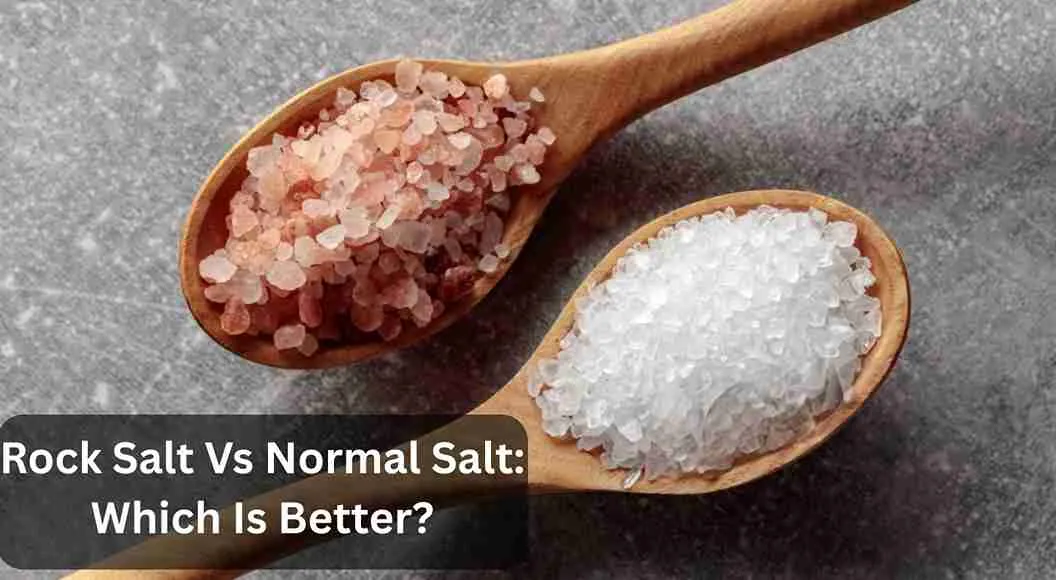
Rock salt, known as sendha namak in India, is mined directly from natural salt deposits, resulting in less processing when compared to table salt. This type of salt typically features larger crystals and may contain trace amounts of naturally occurring minerals, which could slightly alter its flavour and colour.

Due to its coarser texture, rock salt is often preferred in specific culinary contexts, such as fasting meals, or in spice mixes where the mineral notes are desired. While it might not dissolve as quickly as table salt, it is still widely used in various traditional Indian recipes.

The presence of additional minerals in rock salt often leads to a perception of it being a more natural option, attracting health-conscious consumers. It is important to note that these minerals, while contributing to its unique taste, do not significantly affect the overall sodium content of the salt.

Differences Between Table Salt and Rock Salt

The primary distinction between table salt and rock salt lies in their processing methods. Table salt is typically refined and often iodised, while rock salt is available in a more natural state. This fundamental difference affects not only the flavour profiles but also the textures of the two salts.

With a finer grain, table salt integrates seamlessly into various dishes, while rock salt, being coarser, is often used where a milder, mineral flavour is required. When following recipes, if a specific type of salt is called for, it is typically recommended to adhere to the recipe to ensure proper flavour and texture.

In practical terms, for daily cooking and seasoning, table salt serves as a functional choice, while rock salt is favoured for special dietary observations and regional culinary practices. Both types of salt can be incorporated into cooking with minor adjustments in usage amounts based on desired outcomes.

Health Perspectives on Rock Salt

Rock salt has gained attention as a potentially healthier alternative to table salt due to its less refined nature. Many advocates highlight its natural properties; however, health professionals advise that both salts primarily consist of sodium and that excessive consumption of either can elevate blood pressure.

The question of which salt is healthier primarily revolves around the quantity consumed rather than the type chosen. Moderation is crucial, and a balanced approach to diet is important for overall health.

Ultimately, regardless of personal preference for table salt or rock salt, monitoring overall sodium intake is the most significant factor in maintaining health. The choice between these two salts should be based on culinary needs and individual dietary patterns.

Long or Short, get news the way you like. No ads. No redirections. Download Newspin and Stay Alert, The CSR Journal Mobile app, for fast, crisp, clean updates!

App Store –  https://apps.apple.com/in/app/newspin/id6746449540 

Google Play Store – https://play.google.com/store/apps/details?id=com.inventifweb.newspin&pcampaignid=web_share

Latest News

Popular Videos
