


CNG Prices Increase by Rs 2 per kg in Delhi, Now at Rs 83.09
The CSR Journal Magazine

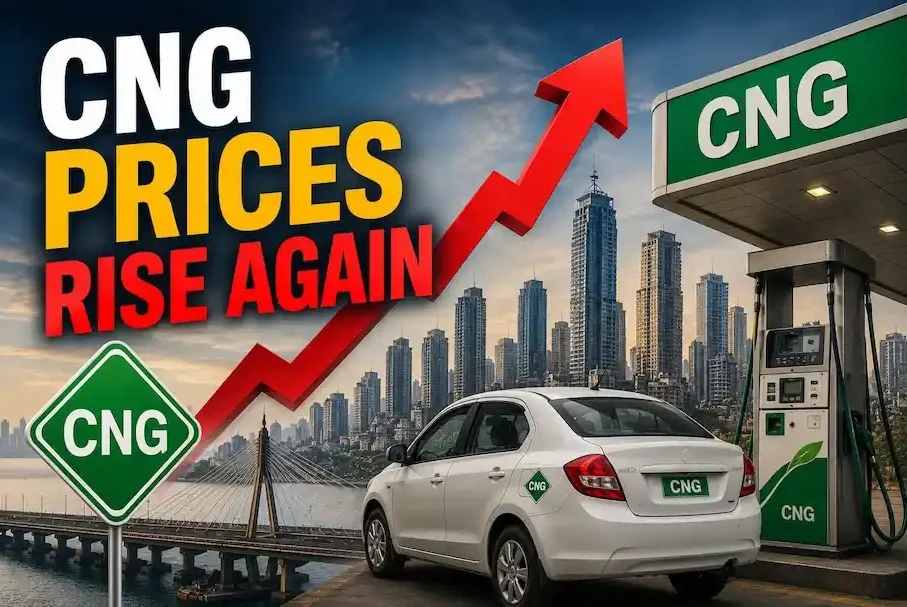
The price of compressed natural gas (CNG) has been raised by Rs 2 per kilogram in Delhi, bringing the overall rate to Rs 83.09. This adjustment reflects ongoing fluctuations in the energy market and affects consumers relying on this fuel for transportation and domestic use.

With this latest increase, the cost of CNG has seen a series of adjustments over the past months. Observers note that these changes may impact the local transport sector, particularly auto-rickshaw and taxi operators who primarily use CNG as their fuel source.

Despite the hike, CNG remains a popular choice for many consumers due to its relatively lower price compared to petrol and diesel. The shift in pricing is part of broader trends in energy pricing that reflect both global market conditions and domestic supply dynamics.

Impact on Consumers and Transport Services

The rise in CNG prices is likely to have a direct effect on transport services across the capital. Drivers of auto-rickshaws and taxis may need to adjust their fares to maintain profitability, which could, in turn, affect commuters’ daily travel expenses.

Consumers who rely on CNG for domestic cooking or heating may also feel the pinch, as increases in transport fuel costs can lead to higher prices for goods and services. In light of these price adjustments, many users are expected to reassess their budget allocations for fuel and transportation expenses.

The government authorities are reportedly monitoring the situation closely to ensure that consumers are not unfairly burdened by these price fluctuations. The focus will be on balancing the interests of consumers with those of service providers in the face of rising costs.

Future Trends and Considerations

As the energy market continues to experience volatility, further price changes for CNG and other fuels remain a possibility. Stakeholders are urged to keep abreast of these developments, which could have long-term implications for energy consumption patterns across the city.

Experts suggest that with the global economic environment evolving, factors such as inflation, geopolitics, and domestic supply conditions will significantly influence future fuel prices. Consumers may need to adapt to the realities of rising energy costs and consider alternative energy options where feasible.

Local authorities have encouraged discussions around sustainable energy solutions in response to these changes. While the immediate focus is on managing transportation costs, there is a growing recognition of the need to transition towards cleaner and more sustainable fuel options over the long haul.

Long or Short, get news the way you like. No ads. No redirections. Download Newspin and Stay Alert, The CSR Journal Mobile app, for fast, crisp, clean updates!

App Store –  https://apps.apple.com/in/app/newspin/id6746449540 

Google Play Store – https://play.google.com/store/apps/details?id=com.inventifweb.newspin&pcampaignid=web_share

Latest News

Popular Videos
