


Centre Removes Excise Duty On Higher Ethanol Blends, Still Vehicle Adoption Low
The CSR Journal Magazine

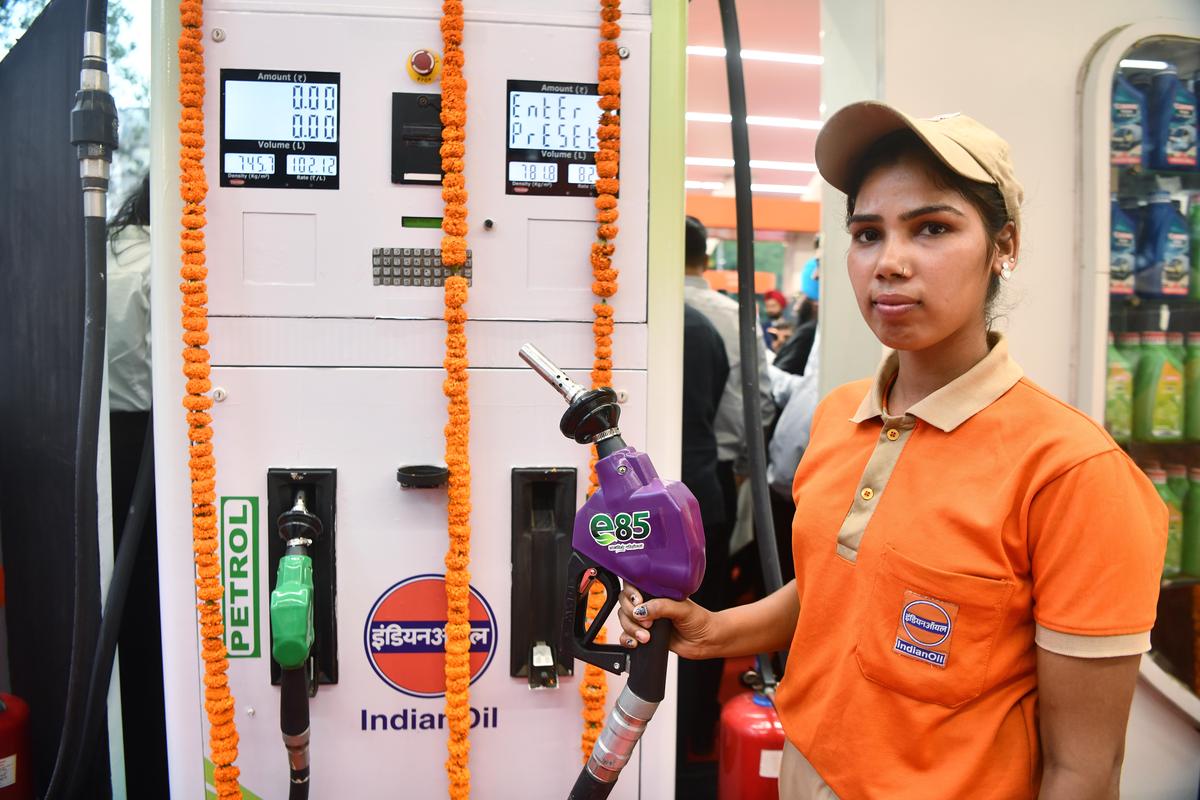
The Centre’s recent decision to eliminate excise duty on higher blends of ethanol in petrol represents a significant move in India’s biofuel strategy. This change was announced through a notification from the Ministry of Finance on June 10. Under the new policy, petrol blended with 22 per cent, 25 per cent, 27 per cent, and 30 per cent ethanol will no longer incur excise duty, aligning with Bureau of Indian Standards specifications.

This initiative is part of India’s broader objective to minimise reliance on imported crude oil while promoting the use of domestically produced biofuels. The Bureau of Indian Standards had earlier set standards for ethanol blends up to E30, signalling a crucial advancement in the country’s ethanol blending programme.

Low Adoption Rates of E20 Vehicles

In fiscal year 2024, approximately 1.61 crore conventional petrol two-wheelers were registered, in contrast to nearly 500,000 vehicles classified as petrolE20. This trend persisted into fiscal year 2025, with around 1.71 crore petrol models registered against roughly 600,000 E20 petrol variants. A notable increase in E20 registrations was observed only in fiscal year 2026, with nearly 79 lakh E20 petrol two-wheelers registered, although conventional models still comprised over 1.2 crore registrations.

A similar pattern was evident in the passenger vehicle segment. In fiscal year 2024, about 22.5 lakh conventional petrol cars were registered, while registrations of E20 petrol variants remained minimal. Adoption improved gradually in fiscal year 2025, with E20 petrol four-wheeler registrations surpassing 12 lakh units in fiscal year 2026.

Challenges in Transitioning to Higher Ethanol Blends

The gradual shift towards E20 vehicles occurs despite ongoing preparations by policymakers for implementing higher ethanol blends. A report by the Society of Indian Automobile Manufacturers, which represents key vehicle and engine manufacturers in India, outlines a roadmap for ethanol blending in the country. It suggests that vehicles compliant with E20 standards and those designed for E10 will be rolled out from April 2023, with E20 tuned engines expected to follow in April 2025.

This report indicates that vehicles using higher ethanol blends will necessitate adjustments regarding material compatibility, as well as tuning and optimisation of engines. Furthermore, vehicles originally designed for lower ethanol content may experience decreased fuel economy when transitioning to higher ethanol blends. These challenges highlight the complexities involved in adapting to new fuel standards in the automotive sector.

Long or Short, get news the way you like. No ads. No redirections. Download Newspin and Stay Alert, The CSR Journal Mobile app, for fast, crisp, clean updates!

App Store –  https://apps.apple.com/in/app/newspin/id6746449540 

Google Play Store – https://play.google.com/store/apps/details?id=com.inventifweb.newspin&pcampaignid=web_share

Latest News

Popular Videos
