


US Halts Strikes on Iran as Houthi Forces Target Saudi Ports
The CSR Journal Magazine

On July 25, 2026, Iran-aligned Houthi militants launched attacks on Saudi oil installations at two Red Sea ports, raising concerns about the possibility of an expanded conflict involving Iran, the United States, and Israel. These incidents occurred as the US refrained from conducting air strikes on Iran for the first time in 13 nights, a move that has drawn attention given the escalations seen in recent weeks.

The Iranian Health Ministry spokesperson, Hossein Kermanpour, noted that the country experienced a relatively quiet night. No immediate reports of Iranian attacks on Gulf neighbours emerged on that day, yet the quiet was overshadowed by the Houthi missile strikes targeting Saudi Arabia’s oil sector.

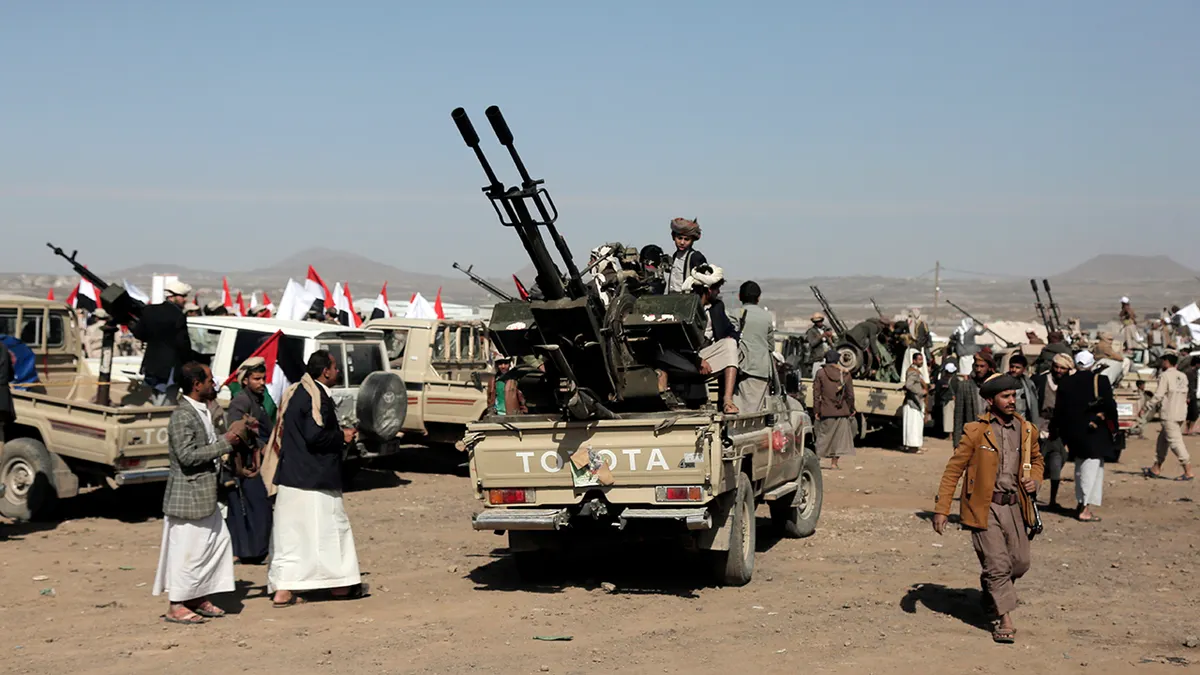
Yahya Saree, a military spokesperson for the Houthis, claimed that the group had effectively struck facilities belonging to the Saudi state oil company, Aramco, located in Jizan and Yanbu. Verified videos circulated by Reuters illustrated significant smoke rising from an Aramco refinery in Jizan.

Impact on Regional Stability

The situation has raised alarms due to the strategic importance of the targeted locations. Yanbu serves as Saudi Arabia’s main oil port along the Red Sea and is crucial for crude exports, especially amidst disruptions caused by Iran’s blockade of the Strait of Hormuz. Conversely, Jizan holds a refinery with a capacity to process approximately 400,000 barrels of oil daily.

In reaction to the Houthi hostilities, forces aligned with Yemen’s internationally recognised government, supported by Saudi Arabia, struck Houthi launch sites and weapon depots in the Marib and al-Jawf provinces. Additionally, Saudi-led coalition forces reportedly conducted air strikes targeting Houthi military positions in Hodeidah on July 24, potentially escalating tensions further.

Heightened military mobilisations from both sides along Yemen’s front lines have led to fears of a complete collapse of the fragile ceasefire established in 2022. With a history of conflict resulting in substantial casualties and humanitarian crises, the renewed fighting threatens to destabilise the region further.

International Reactions and Future Projections

The recent Houthi attacks have brought additional pressure to global energy markets, contributing to an increase in Brent crude prices, which surpassed $100 per barrel for the first time since May. The situation has drawn scrutiny from international leaders, particularly US President Donald Trump, who recently threatened significant military action against both Iran and the Houthis.

The tension escalated further following the collapse of an interim agreement designed to end hostilities two weeks prior, leading to US air strikes on Iranian targets. Trump’s statements also indicated that the US might consider targeting Iranian energy infrastructure if the situation does not improve.

Despite the numerous threats, on July 25, Trump indicated that the decision to launch extensive strikes had not yet been finalised, suggesting a willingness to engage in discussions. His remarks revealed a potential shift in approach, as he noted that Iran seemed more amenable to negotiations than in earlier instances.

While the pause in US strikes may offer Iran a temporary respite from military actions, the Houthi’s aggressive stance towards Saudi oil facilities indicates that the conflict may be expediting its reach beyond Iranian borders and into vital routes of global energy trade.

Long or Short, get news the way you like. No ads. No redirections. Download Newspin and Stay Alert, The CSR Journal Mobile app, for fast, crisp, clean updates!

App Store –  https://apps.apple.com/in/app/newspin/id6746449540 

Google Play Store – https://play.google.com/store/apps/details?id=com.inventifweb.newspin&pcampaignid=web_share

Latest News

Popular Videos
