


Centre Approves RBI Field Trial of Two Billion Polymer Rs 10 and Rs 20 Currency Notes
The CSR Journal Magazine

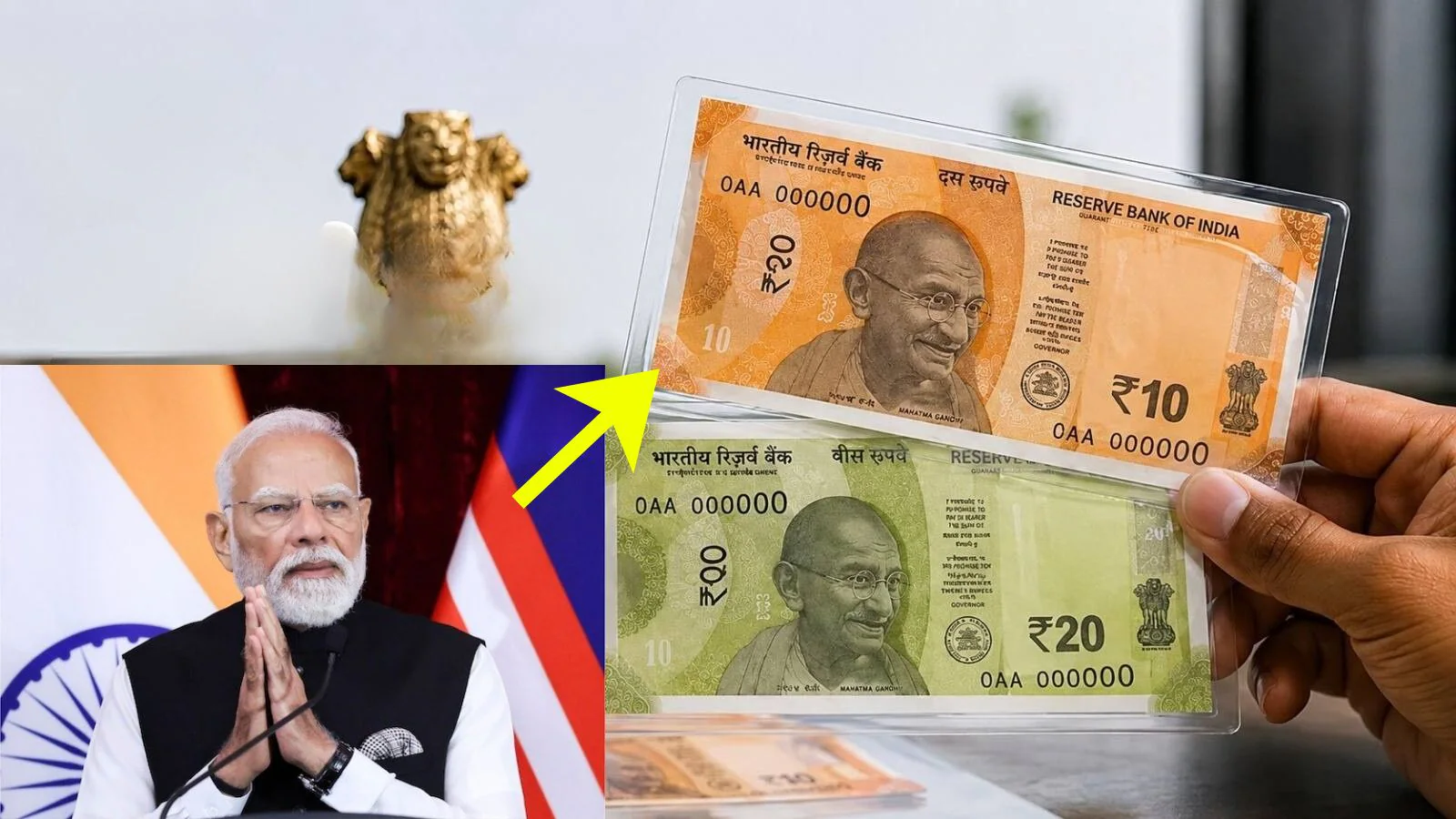
The Centre has granted approval for the Reserve Bank of India’s initiative to conduct field trials of two billion polymer currency notes in Rs 10 and Rs 20 denominations. This decision falls under the provisions of the RBI Act of 1934 and aims to assess the feasibility of these notes before considering a regular issuance. The government emphasised that there is currently no specific launch date for these notes, nor do they intend to replace existing paper currency.

During a session of the Lok Sabha, Minister of State for Finance Pankaj Chaudhary clarified that the polymer notes will coexist with the current paper notes in circulation. He also mentioned that the RBI has indicated that polymer currency has a significantly longer lifespan compared to traditional paper banknotes, which can enhance the overall efficiency of currency management.

Chaudhary addressed concerns regarding the potential impact on India’s digital payment systems, stating that any effects could only be evaluated after the polymer notes are regularly issued. He assured that both currency notes and digital payments serve as complementary tools for the public.

Evaluation Criteria for Polymer Notes

The field trials are set to involve comprehensive testing of the polymer notes under various climatic and environmental conditions. Parameters such as durability, crease resistance, and general handling will be evaluated. This testing aims to ensure that the notes can withstand factors like intense heat, humidity, dust, and extensive use.

Feedback from the public will also be considered to gauge the performance and acceptance of these notes. The objective is to ensure that the polymer currency meets high quality and durability standards before any possible nationwide rollout.

Officials have indicated that this initiative will require considerable time and effort to implement, reflecting the government’s commitment to secure and reliable currency transactions. The stress-testing process plays a crucial role in determining the feasibility of polymer currency in real-world conditions.

Preparatory Steps for Production

The procurement invitation appealed to manufacturers to provide sheets embedded with security features, allowing for an evaluation of elements such as texture and substrate integration. This advance preparation is expected to streamline the production process once the field trials are successfully completed.

While the initial manufacturing cost of polymer notes is reportedly higher, estimated to be between 20 per cent and 24 per cent more than paper notes, their longevity—ranging from 2.5 to 4 times longer—is seen as a significant advantage. This durability is anticipated to considerably reduce annual printing costs, which last year amounted to Rs 6,372.8 crore.

Over the lifespan of the Rs 10 and Rs 20 polymer bills, the anticipated reduction in printing, transportation, and disposal expenses could lead to substantial financial savings for the Reserve Bank of India, potentially amounting to thousands of crores.

Long or Short, get news the way you like. No ads. No redirections. Download Newspin and Stay Alert, The CSR Journal Mobile app, for fast, crisp, clean updates!

App Store –  https://apps.apple.com/in/app/newspin/id6746449540 

Google Play Store – https://play.google.com/store/apps/details?id=com.inventifweb.newspin&pcampaignid=web_share

Latest News

Popular Videos
