


Bengal Votes Amid Sporadic Incidents of Violence in Phase 1
The CSR Journal Magazine

The first phase of elections in West Bengal transpired, involving numerous constituencies as voters expressed their democratic rights. Reports indicate a heightened level of tension in various areas, with multiple instances of violence occurring during the polling process. Authorities had been vigilant, ensuring adequate security measures were in place to facilitate a smooth voting experience.

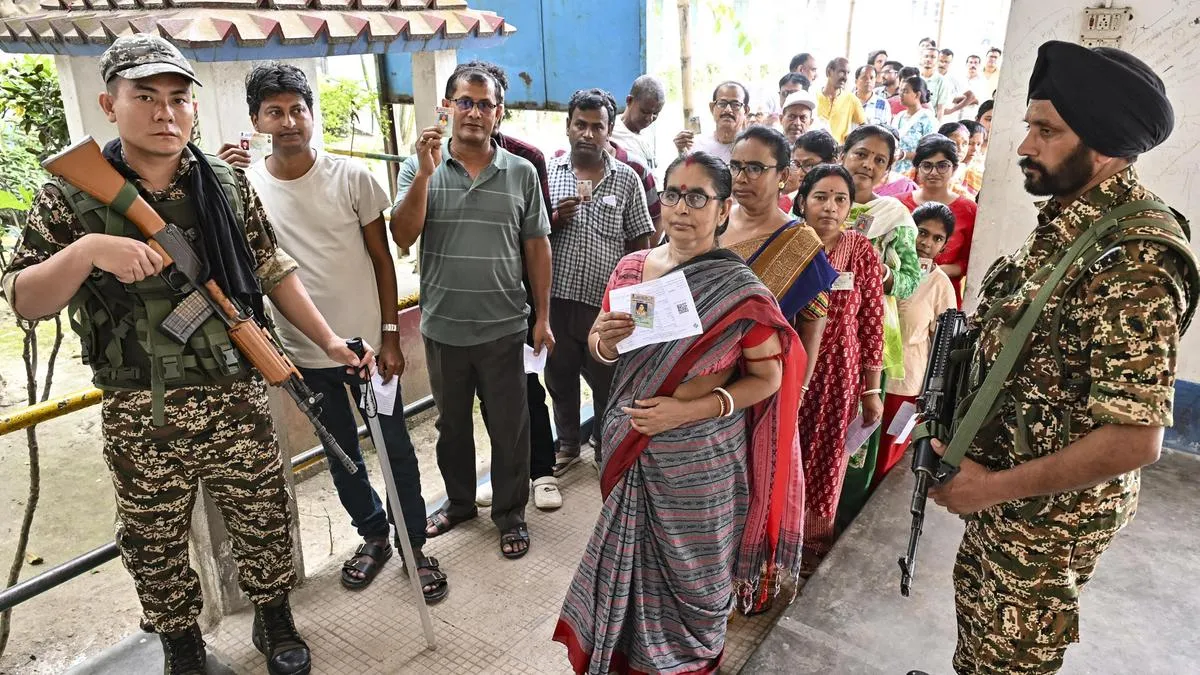
Polling commenced at 8 am and was observed by an extensive deployment of security forces. Over one crore voters were registered to participate in this phase, which covered 30 constituencies. Voters reportedly queued at designated polling stations, though some encounters reportedly escalated based on local rivalries and political tensions.

Members of different political parties frequently interacted with voters, aiming to galvanise support through their presence at polling booths. However, this engagement led to situations where candidates faced heckling and disturbances from opponents, particularly in strategically significant areas. Such incidents have raised concerns regarding the overall atmosphere during the electoral process.

Reported Incidents of Violence

Incidents of violence were recorded in several districts, prompting officials to investigate the causes behind these disruptions. Reports from various sources indicate that at least ten incidents of clashes between rival party supporters unfolded, resulting in injuries to individuals from both sides. Emergency services were active, providing assistance to those affected in these confrontations.

Police were deployed to mitigate disturbances, especially in districts where confrontations occurred more frequently. Security personnel worked to de-escalate tensions and ensure the safety of voters, along with securing polling booths. Investigators have begun looking into the underlying reasons for these violent episodes, assessing whether they were politically motivated or stemmed from local disputes.

The Election Commission of India has expressed its commitment to a free and fair electoral process, reinforcing that measures would be taken against any misconduct that jeopardises the integrity of the elections. Election observers were also present, tasked with monitoring the situation and reporting any irregularities or breaches of protocol throughout the voting period.

Voter Response and Political Climate

Despite the turbulence, voter turnout appeared to remain robust, with many citizens sustaining their eagerness to engage in the democratic exercise. Local leaders from various parties encouraged participation, highlighting the importance of voting as a civic duty. Reports indicated that turnout percentages were likely to be reported later in the day, with several areas observing higher engagement levels than previous elections.

The political climate leading up to the election had been marked by intense campaigning and rivalries among various parties. As the first phase unfolded, candidates continued to vie for voter favour, with promises and agendas presented to the electorate. However, the incidents of violence have called into question some aspects of this competitive atmosphere.

As the election process progresses, the focus will shift towards subsequent phases, with many observers keenly watching for potential changes in voter sentiment and the political dynamics at play. The state remains a key battleground for major national parties, and the outcome of this phase may influence campaigning strategies moving forward.

Long or Short, get news the way you like. No ads. No redirections. Download Newspin and Stay Alert, The CSR Journal Mobile app, for fast, crisp, clean updates!

App Store –  https://apps.apple.com/in/app/newspin/id6746449540 

Google Play Store – https://play.google.com/store/apps/details?id=com.inventifweb.newspin&pcampaignid=web_share

Latest News

Popular Videos
