


Bank of Baroda Data Breach Raises Concerns Over Customer Security
The CSR Journal Magazine

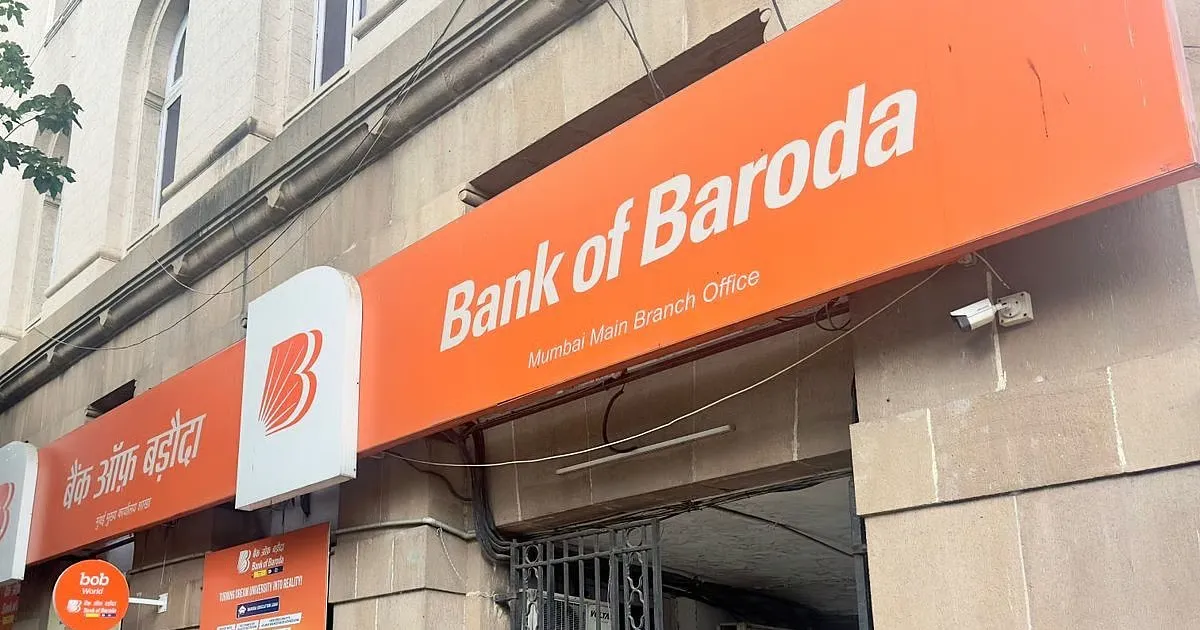
The recent data breach involving the Bank of Baroda has raised significant concerns among its millions of customers regarding the safety of their finances. Reports indicate that nearly 1TB of data related to the public sector bank has allegedly been exposed online. This data is said to contain sensitive information, including customer names, Aadhaar details, account specifics, loan records, internet banking credentials, and much more.

In light of these allegations, the bank is currently conducting an investigation to determine the authenticity of the leaked data. At present, no official confirmation has been given regarding whether the claims are valid or not. Nevertheless, experts in cybersecurity are advising customers against panic, while also emphasising the importance of vigilance. A data breach does not directly lead to unauthorised access to bank accounts or stolen funds.

Even if personal data has been compromised, it requires sophisticated methods for fraudsters to exploit this information effectively. Therefore, the alleged breach does not necessarily jeopardise customer accounts immediately.

Understanding the Risks of Phishing Attacks

Following a data breach, the most significant threat often arises not from hackers accessing accounts directly, but from phishing attempts designed to deceive customers into revealing sensitive information. Cybersecurity experts highlight the risks associated with social engineering attacks, where fraudsters utilise personal information to impersonate bank representatives.

For instance, customers may receive phone calls or messages from individuals claiming to be Bank of Baroda executives. These callers may already possess details such as the customer’s name, branch information, and even partial account numbers, which can lend credibility to their claims. They might say the customer’s account is in danger due to the data breach and solicit sensitive information like OTPs or passwords.

This manipulation can lead customers to inadvertently disclose critical credentials needed to access their accounts. Thus, the post-breach scenario often sees a rise in phishing attempts, posing a more significant risk than direct hacking.

Precautionary Measures to Protect Accounts

In light of the ongoing investigation, customers are encouraged to take proactive steps to safeguard their accounts. Changing online banking and mobile banking passwords should be a priority, especially if the same passwords are utilised across various platforms. Password reuse poses a considerable risk, and creating a unique, complex password can significantly enhance account security.

Additionally, enabling all available security features is crucial. Setting up two-factor authentication can provide another layer of protection, ensuring that even if someone acquires a password, additional verification is needed to access the account. Customers should also secure their linked email accounts, as these are often the primary channels for password reset requests.

Moreover, regular account monitoring is essential. Customers are urged to review their banking apps frequently, looking out for unusual transactions or changes in account details. Quick identification of unfamiliar activities can aid in preventing substantial losses. Fraudulent activities often start with small transactions to test account functionality.

Customers should also remain cautious about unsolicited phone calls. It is vital to remember that legitimate bank representatives will never request sensitive information such as OTPs or PINs. Upon receiving such requests, customers should treat them as potential fraud and disconnect immediately.

What to Do in Case of Suspicious Activity

If customers become aware of unauthorised transactions, unexpected OTPs, or believe their accounts may have been compromised, immediate action is necessary. Contacting Bank of Baroda through verified customer service channels is vital to report the issue. This includes blocking debit or credit cards and changing passwords swiftly, as prompt reporting can improve the chances of resolving disputes and limiting losses.

Experts advise against closing bank accounts solely because of a data breach. Instead, customers should focus on reinforcing account security and maintaining vigilant monitoring. Unless there is clear evidence of a security compromise within banking systems themselves, adhering to good cyber hygiene practices and remaining alert is generally the most efficient course of action.

Long or Short, get news the way you like. No ads. No redirections. Download Newspin and Stay Alert, The CSR Journal Mobile app, for fast, crisp, clean updates!

App Store –  https://apps.apple.com/in/app/newspin/id6746449540 

Google Play Store – https://play.google.com/store/apps/details?id=com.inventifweb.newspin&pcampaignid=web_share

Latest News

Popular Videos
