


Australia Warns of Strong El Niño, Raising Concerns Over Rainfall and Agriculture
The CSR Journal Magazine

Australia’s Bureau of Meteorology has announced that an El Nino weather pattern has developed in the tropical Pacific, with expectations of intensification in the latter half of the year. According to the bureau, this event could become one of the most significant occurrences of this phenomenon in nearly seventy years.

In a statement released on Tuesday, the bureau indicated that sea surface temperatures in the tropical Pacific have surpassed the thresholds associated with El Nino, complemented by atmospheric data confirming the onset of the phenomenon. This year’s forecasts lean towards a strong to very strong El Nino event due to notable warming in central tropical Pacific waters.

Half of the climatic models suggest that this event may peak among the highest levels reported since 1950. Forecasters anticipate that the effects of this weather pattern will include abnormally high rainfall in the Americas, while Asia may experience increased heat and dryness, exacerbating current agricultural challenges.

Impact on Rainfall and Temperature Patterns

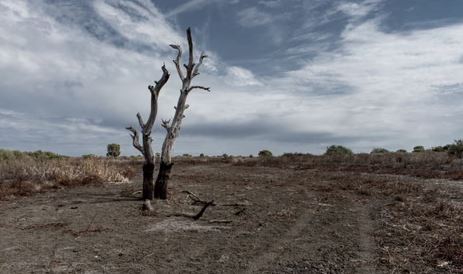
The Bureau of Meteorology correlates El Nino with decreased precipitation during the winter and spring months, particularly affecting Australia’s eastern coastline. This reduction in rainfall typically leads to elevated daytime temperatures in southern Australia, intensifying the season’s heat.

The agricultural sector in Australia may face substantial repercussions due to El Nino, as the country is one of the world’s leading exporters of wheat, sugar, and beef. Consequently, the anticipated weather changes could threaten national food production and availability.

Experts assert that the effects of this year’s El Nino will be exacerbated by climate change. The last El Nino cycle occurred between 2023 and 2024, noted for setting a record for the driest three-month span in the nation’s history. This followed the severe event of 2015 and 2016, which resulted in extensive drought conditions and a decrease in oilseed and grain outputs.

Historical Context of El Nino Events

Historical records illustrate that previous El Nino occurrences have led to famine, claiming millions of lives, particularly during the catastrophic events of 1877 and 1878. These patterns represent significant risk factors for food security across various regions, particularly among vulnerable populations.

The United Nations’ World Meteorological Organization (WMO) characterises El Nino events by the warming of ocean surface temperatures in the central and eastern Equatorial Pacific. These events typically arise every two to seven years, lasting approximately nine to twelve months. A WMO report released on June 2 highlighted an “80 per cent likelihood” for an El Nino event occurring between June and August 2026.

The probability that this weather pattern will persist remains high, with predictions nearing or exceeding 90 per cent through at least November. This evolution is expected to have notable influences on global temperature and rainfall distribution, escalating the risks associated with extreme weather phenomena.

In response to these developments, UN Secretary-General Antonio Guterres has underscored the importance of recognising this situation as an urgent climate warning. He emphasised the necessity for a robust response to the climate crisis, advocating for a transition away from fossil fuels, an accelerated shift towards renewable energy, and the establishment of early warning systems to protect the most vulnerable communities worldwide.

Long or Short, get news the way you like. No ads. No redirections. Download Newspin and Stay Alert, The CSR Journal Mobile app, for fast, crisp, clean updates!

App Store –  https://apps.apple.com/in/app/newspin/id6746449540 

Google Play Store – https://play.google.com/store/apps/details?id=com.inventifweb.newspin&pcampaignid=web_share

Latest News

Popular Videos
