


Archaeologists Discover Rare 1,700-Year-Old Roman Marble Busts Buried Near An Ancient Winepress In Israel

The CSR Journal Magazine

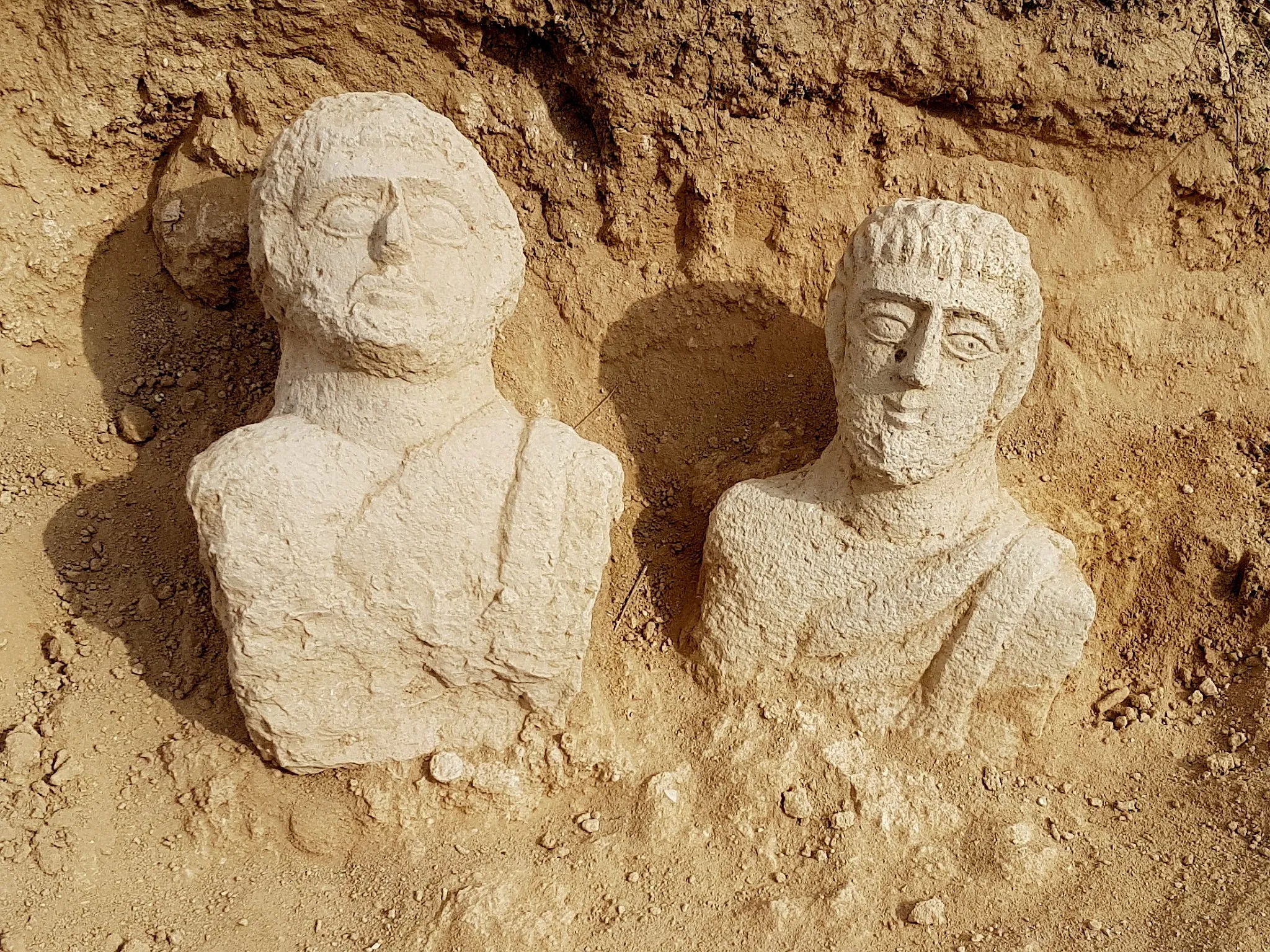
Archaeologists have uncovered rare marble busts believed to be 1,700 years old, located near an ancient winepress in Israel. This important find adds significant value to the historical narrative of the region, which was known for its wine production during Roman times. The excavation was conducted in the city of Yavne, situated along Israel’s coastal plain.

The marble busts depict figures that might represent deities or influential personalities from the Roman era. Local officials have expressed excitement over the discovery, indicating it could offer new insights into the cultural and social dynamics of the time. The ongoing excavation aims to further explore the site’s potential historical significance.

Experts suggest that the presence of a winepress nearby contributes to the context of the find, indicating the area’s importance in terms of viticulture and trade. The excavation site is thought to have had a flourishing economy focused on wine production, which was a prominent commodity during the Roman Empire.

Archaeological Significance of the Find

The discovery of the marble busts at the winepress site is regarded as a breakthrough in understanding the Roman influence in Israel. Scholars from various fields, including archaeology and history, are analysing the artefacts to ascertain their origins and relevance. These busts could also provide further information on the art style prevalent at the time, as well as the societal hierarchies that existed in the region.

Roman sculptures often reflected cultural aspects of the time, portraying individuals with detailed features and expressions. The stylistic elements of the newly found busts may help researchers delineate differences in artistic techniques employed across different Roman provinces. This could foster a deeper understanding of regional variations within Roman artistic traditions.

Furthermore, the connection of the busts to the ancient winepress underscores the interconnectedness of cultural practices, such as art and agriculture, in shaping the history of the area. As excavations continue, archaeologists hope to uncover more artefacts that may contribute to a comprehensive picture of life in Roman-era Israel.

Future Exploration and Research

As work progresses at the Yavne site, archaeologists are keen to conduct further excavations to discover more artefacts that could shed light on the daily lives of people during that period. The combination of agricultural tools, pottery, and the marble busts could provide pivotal information for further research in the region’s history.

Local institutions and universities are reportedly collaborating on this project to ensure a thorough analysis of the findings. Scholars aim to develop a comprehensive research agenda to explore the site’s total historical context. This includes the location’s relationship to trade routes and its role in the wider Roman Empire.

In addition to academic interest, there is a growing public engagement with the archaeological processes. Plans are underway to inform local communities about the significance of these discoveries and the importance of preserving such cultural heritage. This initiative aims to foster a sense of pride and connection to the historical narratives of the area.

Long or Short, get news the way you like. No ads. No redirections. Download Newspin and Stay Alert, The CSR Journal Mobile app, for fast, crisp, clean updates!

App Store –  https://apps.apple.com/in/app/newspin/id6746449540 

Google Play Store – https://play.google.com/store/apps/details?id=com.inventifweb.newspin&pcampaignid=web_share

Latest News

Popular Videos