


White House Refutes Iranian Media Claims Of US-Iran Peace Agreement
The CSR Journal Magazine

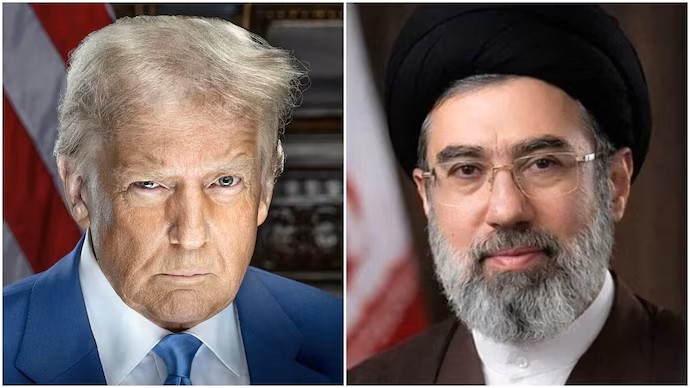
The White House has categorically rejected claims made by Iranian state media regarding a proposed peace agreement between the United States and Iran. The administration unequivocally called these assertions a “complete fabrication,” responding to suggestions that negotiations were on the verge of finalising a Memorandum of Understanding aimed at easing tensions affecting critical maritime trade routes. The statement aims to clarify the misinformation being disseminated by Tehran’s state-controlled outlets.

This robust repudiation reflects the ongoing information warfare and heightened geopolitical tensions between the two nations. The US government has taken a strong stance not only against Iranian claims but also in response to domestic media outlets that echoed the unverified reports. The White House stressed the importance of verifying information, urging the public to consider the credibility of Iranian state media.

In a pointed message published on social media, the White House highlighted, “This report from Iranian-controlled media is not true, and the MOU they ‘released’ is a complete fabrication,” emphasising that facts are crucial in the current climate of misinformation.

Details of Alleged Peace Proposal

The Iranian media had reported that a draft Memorandum of Understanding was in the works, which would purportedly lead to a reduction in American military presence near Iran, along with the lifting of a maritime blockade that has been a significant point of contention. These developments were reported to involve plans to revive commercial shipping routes through the strategically vital Strait of Hormuz, a key passage for global oil supplies.

The Iranian state television, alongside the Mizan news agency, claimed that the proposed framework included a phased withdrawal of US forces, which would coincide with Tehran’s commitment to normalise commercial traffic. If successful, these measures would reportedly aim to restore shipping levels to what they were prior to conflicts within a month.

According to the reports, crucially excluded from these negotiations are naval warships, indicating the focus on civilian maritime activities. Iranian media suggested that any movements through the waterway would be closely coordinated with the government of Oman, proposing local oversight of the region’s navigation.

Global Reactions and Economic Implications

Despite the optimistic framing from Iranian sources, the reports have been described as tentative and unauthenticated, with regional officials noting that extensive discussions and “tangible verification” would be essential before any formal agreement could be reached. It was indicated that if an accord were to be established within a 60-day period, it might ultimately be formalised through a United Nations Security Council resolution.

The significance of these negotiations repeats itself in the context of international energy supplies, given the Strait of Hormuz’s role as a major conduit for global oil transport. The potential for reduced geopolitical tensions and increased oil flow has already shifted market reactions, with US crude futures falling below $89 per barrel following the initial reports.

The broader context for these developments includes President Donald Trump’s strategic initiatives aimed at establishing a comprehensive peace framework that encompasses not only Iran but multiple nations in the Middle East, a plan intended to reshape the geopolitical landscape in the region.

Long or Short, get news the way you like. No ads. No redirections. Download Newspin and Stay Alert, The CSR Journal Mobile app, for fast, crisp, clean updates!

App Store –  https://apps.apple.com/in/app/newspin/id6746449540 

Google Play Store – https://play.google.com/store/apps/details?id=com.inventifweb.newspin&pcampaignid=web_share

Latest News

Popular Videos
