



The West Bengal government is set to introduce a stringent new legislation aimed at curbing hooliganism and anti-social activities across the state. Titled The West Bengal Public Safety and Control of Anti-Social Activities Bill, 2026, the proposed law is expected to be tabled in the State Assembly on June 29, barring any unforeseen developments.
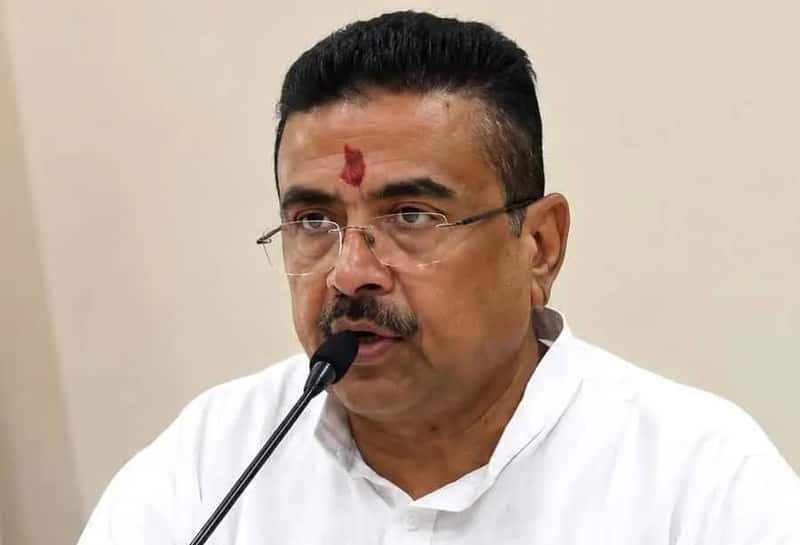
Chief Minister Suvendu Adhikari had earlier announced the government’s intention to bring such a bill while addressing the Assembly. According to official sources, the administration has accelerated efforts to implement the proposal, citing rising concerns over public safety and the inadequacy of existing legal provisions.
The ‘Statement of Objects and Reasons’ of the Bill highlights that current laws have proven insufficient in effectively tackling anti-social elements. It emphasises the necessity for stronger mechanisms to safeguard citizens and prevent organised unlawful activities across the state.
One of the most stringent provisions of the Bill is the authority granted to law enforcement agencies to confiscate assets linked to anti-social activities. Under Section 17, police officials, acting on orders from the state government or an authorised authority, may enter and search any premises. They are empowered to seize cash, documents, or property suspected of being used—or likely to be used—for unlawful purposes.
Further tightening the legal framework, Section 6 provides that if an accused individual absconds after the issuance of an arrest warrant, police may approach a First Class Judicial Magistrate or the Chief Judicial Magistrate. In such cases, the fugitive’s assets may be attached under the provisions of the Bharatiya Nagarik Suraksha Sanhita, 2023.
Clear definition of ‘Goonda’ and anti-social activities
The Bill also introduces explicit definitions for terms such as “goonda” and “anti-social activity.” Individuals who create fear among the public, illegally occupy property, or disrupt normal public life will fall within its ambit. Activities causing significant losses to the state exchequer—including illegal mining, unauthorised sand extraction, and wildlife-related offenses—are also classified as anti-social acts.
Additionally, individuals accused under various laws, including the Arms Act (1959), the Narcotic Drugs and Psychotropic Substances Act (1985), the Immoral Traffic (Prevention) Act (1956), and the Explosives Act (1908), will be designated as ‘goondas’ under the proposed legislation.
Preventive detention provisions
The Bill grants special powers of preventive detention. Under Section 3, the state government may order the detention of an individual based on a report from a police officer of the rank of Superintendent of Police or above. Section 12 stipulates that such detention may extend up to 12 months. The detention order will be enforceable throughout the state, with detainees lodged in designated correctional facilities.
To ensure legal scrutiny, the Bill mandates the formation of an Advisory Board under Section 8. The Board will be chaired by a sitting or former High Court judge and include two members qualified to serve as High Court judges. Notably, Section 10 states that detainees will generally not have the right to legal representation before the Board unless specifically permitted.
Penalties and legal provisions
The legislation also prescribes strict penalties for those aiding anti-social elements. Individuals found harbouring or assisting persons subject to detention or externment orders may face imprisonment of up to two years, along with fines. As per Section 19, all offenses under the Act will be cognisable and non-bailable.
If enacted, the Bill is expected to significantly strengthen law enforcement and public order mechanisms in the state. However, it is also likely to spark debate over the balance between ensuring security and safeguarding civil liberties.