


Venezuela Earthquakes Death Toll Rises to 164, 971 Injured
The CSR Journal Magazine

Venezuela has reported at least 164 fatalities and 971 injuries following two significant earthquakes, according to Acting President Delcy Rodríguez. These tremors, measuring 7.2 and 7.5 in magnitude, struck on Wednesday evening, marking them as some of the most severe experienced in the country in over a century. The earthquakes have had a far-reaching impact, leading to the closure of Venezuela’s primary airport and evacuations of buildings in as faraway as Brazil’s Amazon region, approximately 1,700 kilometres from Caracas.

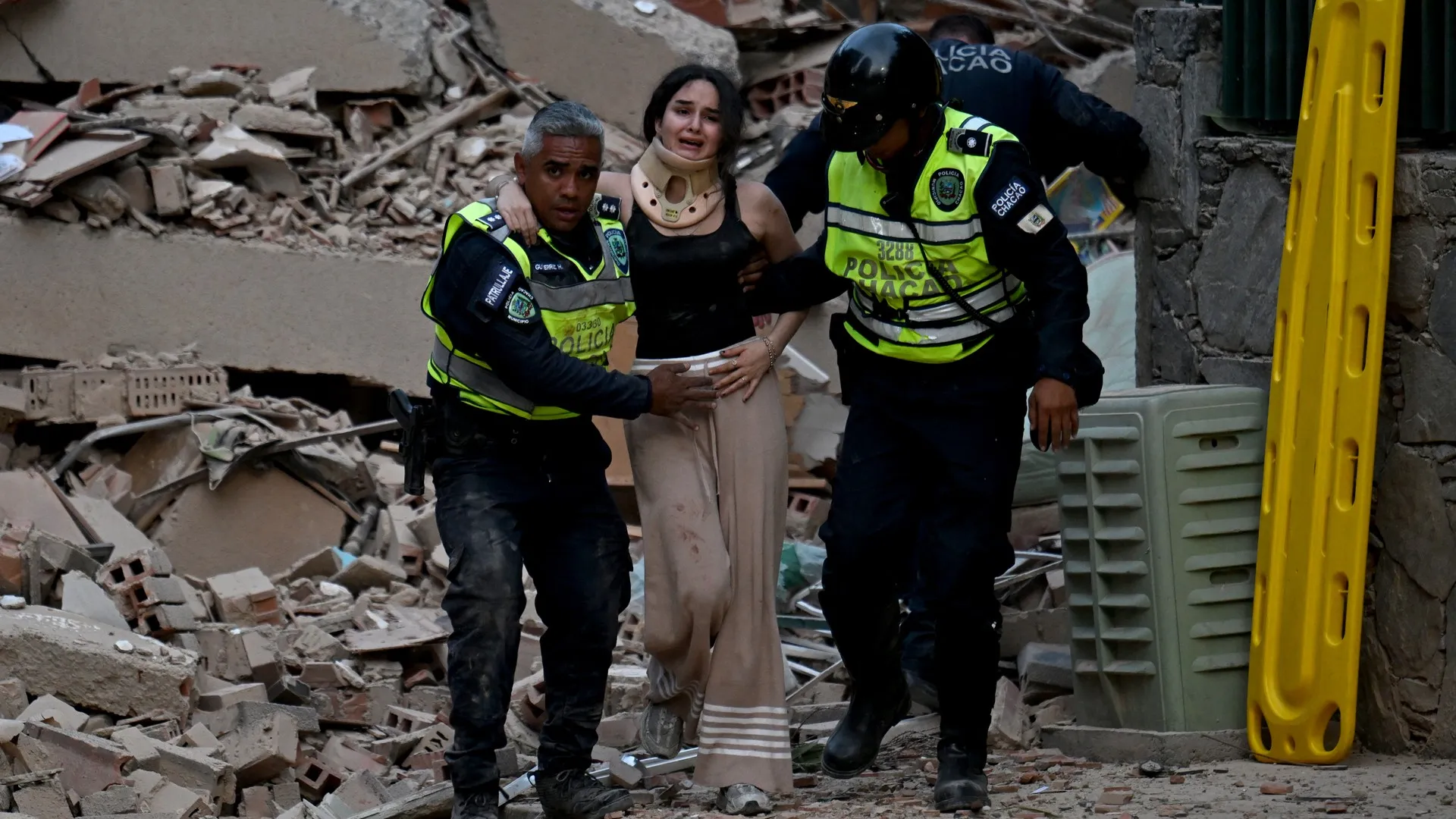
In the capital, chaos ensued as residents fled into the streets, and footage broadcasted by television networks showed emergency workers utilising power tools to search through collapsed structures. In a poignant moment, state television conveyed images of three children, covered in dust but alive, being rescued from the debris in La Guaira state. Rodríguez described La Guaira as a “disaster zone,” underscoring the extensive destruction of buildings.

Rescue Operations Underway in Affected Areas

Rodríguez announced that rescue teams are being mobilised from various regions of Venezuela to enhance efforts in La Guaira. The authorities are prioritising operations during daylight hours to expedite the rescue of individuals who may be trapped. “Dozens of buildings have collapsed there, and we are currently executing intensive rescue efforts to save lives,” Rodríguez stated. Online videos depicted scenes of patients receiving treatment outside a hospital in La Guaira, as emergency services struggled to cope with the influx of casualties.

In an effort to facilitate the search and rescue, Rodríguez made a call to local businesses for heavy construction equipment. She highlighted that United Nations-certified search and rescue teams are en route to assist with the ongoing efforts. Generally situated near several fault lines, Venezuela does not frequently experience strong earthquakes due to its geographical placement between the South American and Caribbean tectonic plates.

Impact on Infrastructure and Public Response

The earthquakes created a widespread sense of apprehension as people exited their swaying residences in Caracas. Witnesses reported leaving their homes en masse and returning to observe extensive damage, including shattered walls and exposed furniture. A Caracas resident recounted the experience, saying, “It started off gently and then gradually grew, and in the end, we all had to leave our houses.” Interior Minister Diosdado Cabello cautioned citizens to remain outdoors, given the potential for aftershocks that could exacerbate damage. Many residents spent extended periods on the streets or sought refuge in public locations.

Electrical outages and disrupted mobile networks have further complicated communication efforts, particularly affecting families with relatives who have emigrated amid Venezuela’s ongoing crisis. On social media, many sought assistance in locating missing family members, posting images and information about their last known whereabouts. Opposition leader María Corina Machado, currently in exile, extended her sympathies via social media, wishing for the country’s resilience.

According to the US Geological Survey, the first quake struck west of Morón on the Caribbean coast at a depth of 22 kilometres, followed a minute later by a second quake with a depth of 10 kilometres, centrally located southwest of Morón. Late into Wednesday night, Rodríguez declared a state of emergency and announced the establishment of a USD 200 million reconstruction fund aimed at repairing hospitals and homes compromised by the earthquakes.

Long or Short, get news the way you like. No ads. No redirections. Download Newspin and Stay Alert, The CSR Journal Mobile app, for fast, crisp, clean updates!

App Store –  https://apps.apple.com/in/app/newspin/id6746449540 

Google Play Store – https://play.google.com/store/apps/details?id=com.inventifweb.newspin&pcampaignid=web_share

Latest News

Popular Videos
