


US Rejects Updated Iranian Peace Proposal Amid Rising Tensions
The CSR Journal Magazine

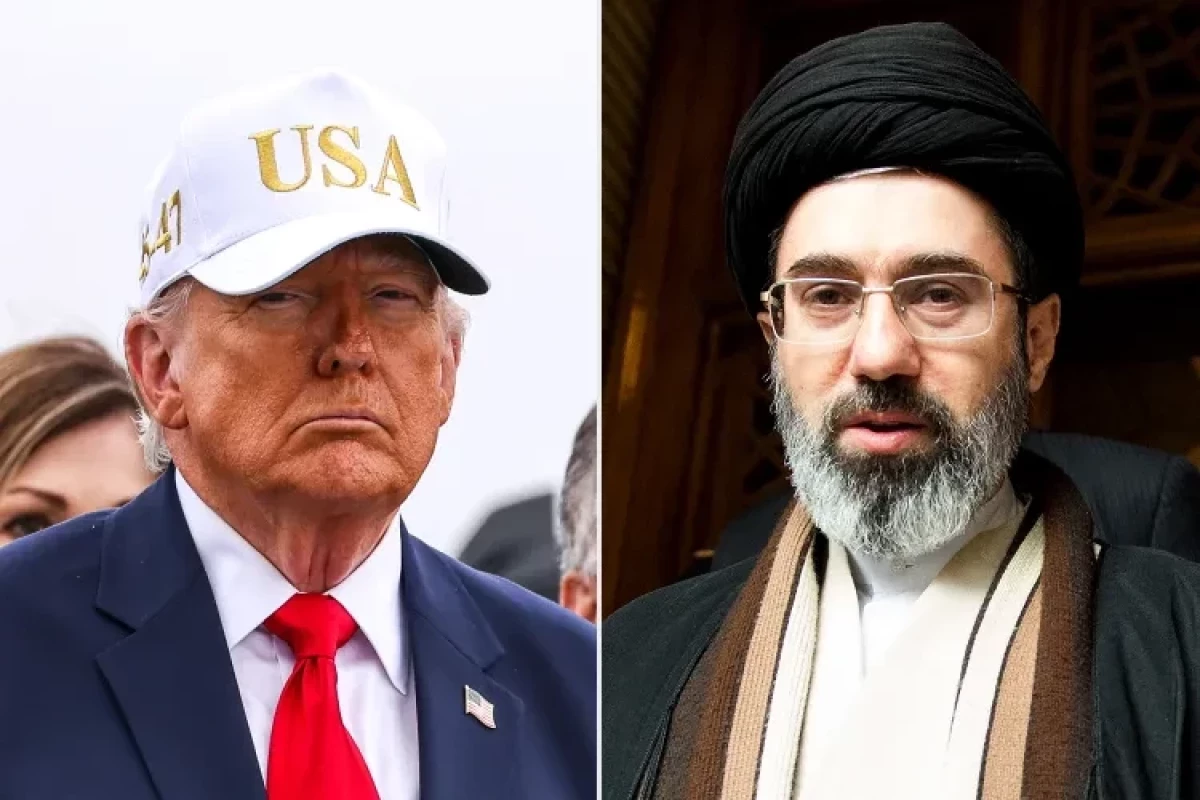
The United States has turned down an updated peace proposal from Iran, indicating it does not sufficiently address key concerns. This development occurred on May 18, amid escalating tensions in West Asia. According to reports from Axios, senior US officials stated that the proposal fails to reflect meaningful progress towards a resolution of the ongoing conflict.

Officials in Washington are reportedly considering both diplomatic and military avenues as the situation surrounding Iran’s nuclear programme intensifies. While President Donald Trump continues to seek a negotiated settlement, he has expressed growing frustration over Iran’s unwillingness to meet what are seen as essential concessions.

Details of the Iranian Proposal

The updated proposal was allegedly delivered through Pakistani intermediaries on the evening of May 14. A senior US official noted that the new draft introduces some reaffirmations of Iran’s commitment not to pursue nuclear weapons, yet lacks specific commitments regarding the suspension of uranium enrichment or the transfer of highly enriched uranium stockpiles.

According to the White House, the proposal does not adequately address crucial concerns maintaining that it is “not a meaningful improvement” and is considered insufficient for achieving a breakthrough agreement. Their stance implies that continued negotiations may lead to renewed conflict if substantive progress is not made.

Interestingly, reports suggest that Iranian state-related sources have claimed that the US has hinted at a potential easing of some economic sanctions during negotiations. A representative of the Iranian negotiating team mentioned that, unlike prior drafts, the US is now open to waiving oil sanctions for the duration of the discussions, though the specifics of such an arrangement remain unclear.

US Response and Future Considerations

US officials have firmly stated that any relief from sanctions would not be unconditional, emphasizing that reciprocal actions from Tehran would be required before any easing could occur. The administration, led by President Trump, is expected to convene a meeting of top national security advisors to evaluate the deteriorating circumstances and consider potential military responses.

Discussions within the administration reportedly encompass how extensively to pursue negotiations and the timing of exploring alternative actions if no progress is achieved. Officials have conveyed that if Iran continues its current stance, the US may have to consider a more aggressive approach, with one senior official hinting that “through bombs” could be a temptingly simple avenue if negotiations do not yield results.

Trump himself articulated the urgency of the situation in a recent call, indicating that time is of the essence and cautioning Iran that failure to show flexibility could lead to significant consequences. Despite ongoing indirect communication via intermediaries, both parties remain at odds concerning the foundational structure of any prospective agreement, highlighting the complexities involved in reaching a resolution.

In summary, US officials perceive Iran’s latest counter-proposal as indicative of worries within Tehran about potential military escalation, contrasting with the Iranian public narrative that portrays confidence in time being on their side. Ongoing attempts at negotiation reveal substantial gaps between the two, with the US insisting on concrete nuclear limitations while Iran insists on comprehensive sanctions relief as a precursor to any deal.

Long or Short, get news the way you like. No ads. No redirections. Download Newspin and Stay Alert, The CSR Journal Mobile app, for fast, crisp, clean updates!

App Store –  https://apps.apple.com/in/app/newspin/id6746449540 

Google Play Store – https://play.google.com/store/apps/details?id=com.inventifweb.newspin&pcampaignid=web_share

Latest News

Popular Videos
