


Future Homes Focus on Climate Resilience Over Luxury Amenities
The CSR Journal Magazine

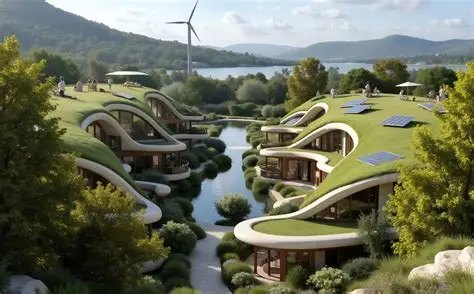
The future of residential properties appears to be shifting towards climate resilience rather than traditional luxury features. This reflects a response to increasing environmental challenges such as flooding, heatwaves, and water scarcity. Consequently, developers are reassessing what constitutes a premium home.

In recent years, the premium housing market in India has largely been driven by a checklist that emphasised larger apartments, expansive balconies, and amenities like clubhouses and swimming pools. However, as urban areas contend with recurrent climate-related issues, the metrics for valuing real estate are evolving.

According to insights from global real estate consultancy JLL, an increasing number of institutional investors are prioritising factors such as sustainability and climate resilience. These aspects are becoming crucial in gauging a property’s long-term viability and investment potential.

Shift Towards Integrated Urban Ecosystems

The rapid pace of urbanisation is catalysing this transformation in real estate development. The World Bank projects that nearly 70 per cent of the global population will inhabit cities by 2050, which will intensify pressures on housing, transportation, and public infrastructure.

In response, stakeholders across various sectors—including government, investors, and developers—are rethinking the traditional approach to building. Instead of isolated residential structures, there is a growing inclination towards developing integrated urban ecosystems that incorporate renewable energy and efficient transport systems.

Jean-Paul de la Fuente, Director of the New7Wonders Organisation, emphasises that the focus is shifting toward creating self-sustaining communities equipped with smart infrastructure, green spaces, and resilience against climate risks. This approach aims to ensure that urban environments remain liveable amid changing climatic conditions.

Investment Implications of Climate Resilience

For institutional investors, the concept of climate resilience is increasingly regarded as a financial asset rather than merely an environmental consideration. Properties capable of effectively managing climate risks such as flooding and heat stress are increasingly seen as lower-risk investments.

This evolving perspective reflects a broader trend in real estate, where long-term resilience is being recognised as vital alongside traditional metrics like occupancy rates and rental yields. Developers worldwide are adapting to include sustainability in their project designs from the outset, rather than as an afterthought.

In various international projects, this shift is evident. Singapore’s Tengah Forest Town is being developed with an emphasis on green energy and urban forestation, while Saudi Arabia’s NEOM project aims to blend renewable resources with urban planning. Similarly, Vietnam’s largest residential developer, Vinhomes, is implementing an “ESG++” framework that prioritises environmental considerations from the planning phase.

India’s real estate sector is similarly evolving, with developers integrating features like rainwater harvesting, renewable energy sources, and electric vehicle charging infrastructure into new residential projects. These enhancements are now viewed as essential investments in long-term sustainability and resilience rather than mere eco-friendly initiatives.

As these changes take shape, both developers and institutional investors are increasingly emphasising climate resilience and sustainability compliance in their evaluations, marking a significant transformation in the property market.

Long or Short, get news the way you like. No ads. No redirections. Download Newspin and Stay Alert, The CSR Journal Mobile app, for fast, crisp, clean updates!

App Store –  https://apps.apple.com/in/app/newspin/id6746449540 

Google Play Store – https://play.google.com/store/apps/details?id=com.inventifweb.newspin&pcampaignid=web_share

Latest News

Popular Videos
