


US Military Strikes Ten Iranian Targets Following Hormuz Drone Incident
The CSR Journal Magazine

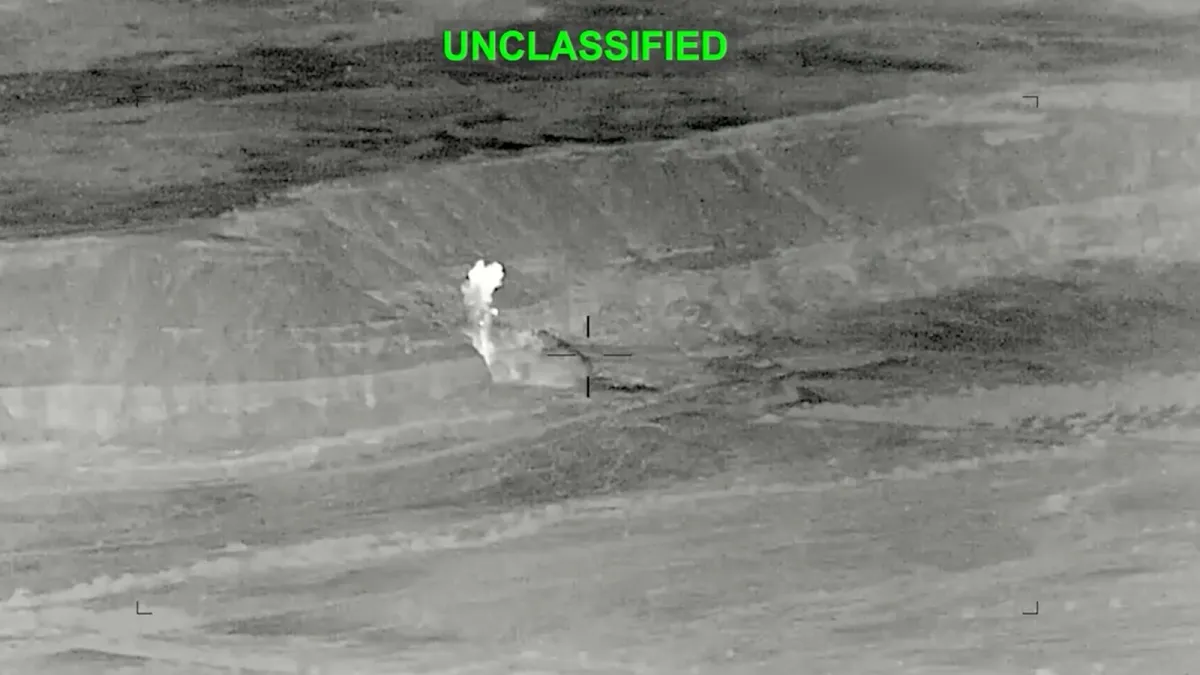
The US military conducted airstrikes on ten Iranian targets in response to a drone attack allegedly carried out by Iran against a merchant vessel in the Strait of Hormuz. This operation occurred on President Donald Trump’s orders, further intensifying concerns about potential escalation in the region.

According to the US Central Command, American aircraft targeted various military installations, including surveillance and communication systems, air defence sites, drone storage facilities, and capabilities related to naval mines. In a post on social media, Trump stated that these strikes were executed due to Iran’s violation of a ceasefire agreement, warning that further military action could be unavoidable if the situation deteriorated.

Explosions were reported near the Strait of Hormuz shortly after the incident, showcasing the ongoing volatility in the region despite prior agreements. This latest exchange has rekindled fears that hostilities may reignite, undermining efforts towards a more peaceful diplomatic resolution.

Incident Involving the Tanker Kiku

The conflict escalated following an incident on Saturday, when the Iranian forces allegedly launched a one-way drone attack on the oil tanker Kiku. The vessel, reportedly carrying over two million barrels of crude oil, was transitioning through the Strait of Hormuz after departing from a Qatari oil field.

Ship-tracking data indicated that the tanker was navigating a route near the coast of Oman, an alternative to the course Iran has sanctioned through its territorial waters. In response to the tension, a multinational maritime authority overseen by the US Navy announced an expansion of the Omani route to facilitate safe passage for both inbound and outbound traffic.

The US military indicated that Iran had failed to honour the ceasefire agreement. Reports suggested explosions occurring just north of the Strait were linked to the ongoing conflict. Meanwhile, Bahrain’s Foreign Ministry expressed concerns following alleged drone strikes targeting its territory, although no immediate damage was reported.

Negotiations and Broader Implications

The US Vice President JD Vance highlighted the importance of dialogue in addressing the ongoing tensions, indicating that Iran should communicate if disputes arise over the ceasefire, while reaffirming a strong stance against any violent actions. Current negotiations encompass critical matters, including the safety of maritime routes, the future of Iran’s nuclear programme, and recent escalations in Lebanon.

The US and Iranian delegations are under pressure to finalise an interim agreement within a 60-day timeline, which includes provisions to ensure safe passage through the vital Strait of Hormuz, significant for global oil and natural gas supplies. The situation remains complex and fluid, with implications not only for bilateral relations but also for regional stability.

In the wake of these developments, a British military body reported an attack on another tanker in the Strait, although the crew was safe and no environmental damage occurred. Concerns regarding shipping safety and Iran’s assertions to patrol its own waters have led to rising tensions, urging both vessels and mariners to remain vigilant.

Long or Short, get news the way you like. No ads. No redirections. Download Newspin and Stay Alert, The CSR Journal Mobile app, for fast, crisp, clean updates!

App Store –  https://apps.apple.com/in/app/newspin/id6746449540 

Google Play Store – https://play.google.com/store/apps/details?id=com.inventifweb.newspin&pcampaignid=web_share

Latest News

Popular Videos
