


US, Lebanese Delegations Engage in Talks on Israeli Withdrawal from Pilot Zones
The CSR Journal Magazine

Military representatives from the United States and Lebanon convened in Beirut to discuss the implementation of a framework agreement aimed at facilitating an Israeli withdrawal from southern Lebanon. The talks are reportedly centred on establishing a mechanism for the first of two designated “pilot zones” as part of the agreement brokered by the US.

According to local sources, the discussions follow the arrival of a US delegation in Lebanon, as confirmed by US ambassador Michel Issa. He met with President Joseph Aoun to clarify the mission of the delegation, which is to determine how to put the agreed-upon plan into action.

The framework agreement, established on June 26, outlines that Israel will progressively withdraw its troops from specific areas in southern Lebanon where they have been active in combatting Hezbollah.

Details of the Framework Agreement

Under the terms of the agreement, the Lebanese military, which has traditionally been sidelined, will gain complete control over the two identified pilot zones. However, it is important to note that Hezbollah has rejected the plan, signalling its intent to oppose any direct negotiations between Lebanon and Israel.

Despite the agreement, there is currently no specified timetable for Israel’s withdrawal. Israeli officials have declared their intention to maintain a “security zone” approximately 10 km (six miles) deep as long as Hezbollah remains armed. This situation complicates the dynamics of regional peace talks.

Hezbollah has expressed its preference for a ceasefire between the US and Iran, resisting direct engagements that could impact the existing ceasefire within Lebanon. Nevertheless, recent developments have seen the group maintaining its relative calm even as hostilities increase elsewhere.

Impact of Ongoing Conflict in Lebanon

The conflict, which escalated in early March following US and Israeli operations against Iran, has reportedly displaced over one million individuals in Lebanon, as indicated by the UN’s humanitarian agency, OCHA. As of Saturday, over 732,000 people have managed to return to their homes, which marks an increase from the previous week’s figure of 640,000.

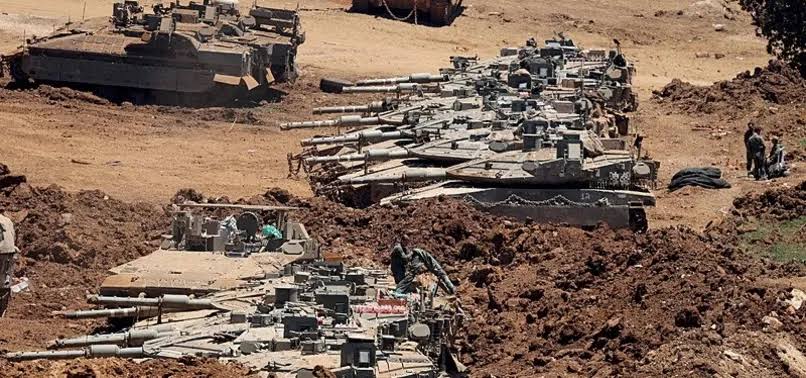
Nonetheless, Israeli military operations persist despite the informal ceasefire. Lebanon’s state-run National News Agency (NNA) reported multiple airstrikes in the southern regions on Saturday, including attacks on civilian areas within the town of al-Mansouri, where injuries were reported. The use of military tanks and bulldozers for operations around Beit Yahoun has further escalated the situation.

In Houla and Nabatieh districts, the NNA reported additional violence, including home destruction and damage to agricultural resources, as Israeli forces continued their incursions. This ongoing conflict adds complexity to the diplomatic discussions occurring between Lebanon and Israel.

Upcoming Diplomatic Engagements

The most recent talks, described as a continuation of dialogues between Lebanon and Israel, are set to take place in Rome next Wednesday and Thursday. These meetings follow five previous rounds of negotiations since the conflict began. Lebanon has stipulated that its involvement hinges on Israel’s withdrawal from the two designated pilot zones.

These discussions are expected to precede President Aoun’s anticipated visit to Washington later this month, as he has been invited by his US counterpart, Donald Trump. The condition of an Israeli withdrawal is crucial for Lebanon’s participation in these vital negotiations.

Long or Short, get news the way you like. No ads. No redirections. Download Newspin and Stay Alert, The CSR Journal Mobile app, for fast, crisp, clean updates!

App Store –  https://apps.apple.com/in/app/newspin/id6746449540 

Google Play Store – https://play.google.com/store/apps/details?id=com.inventifweb.newspin&pcampaignid=web_share

Latest News

Popular Videos
