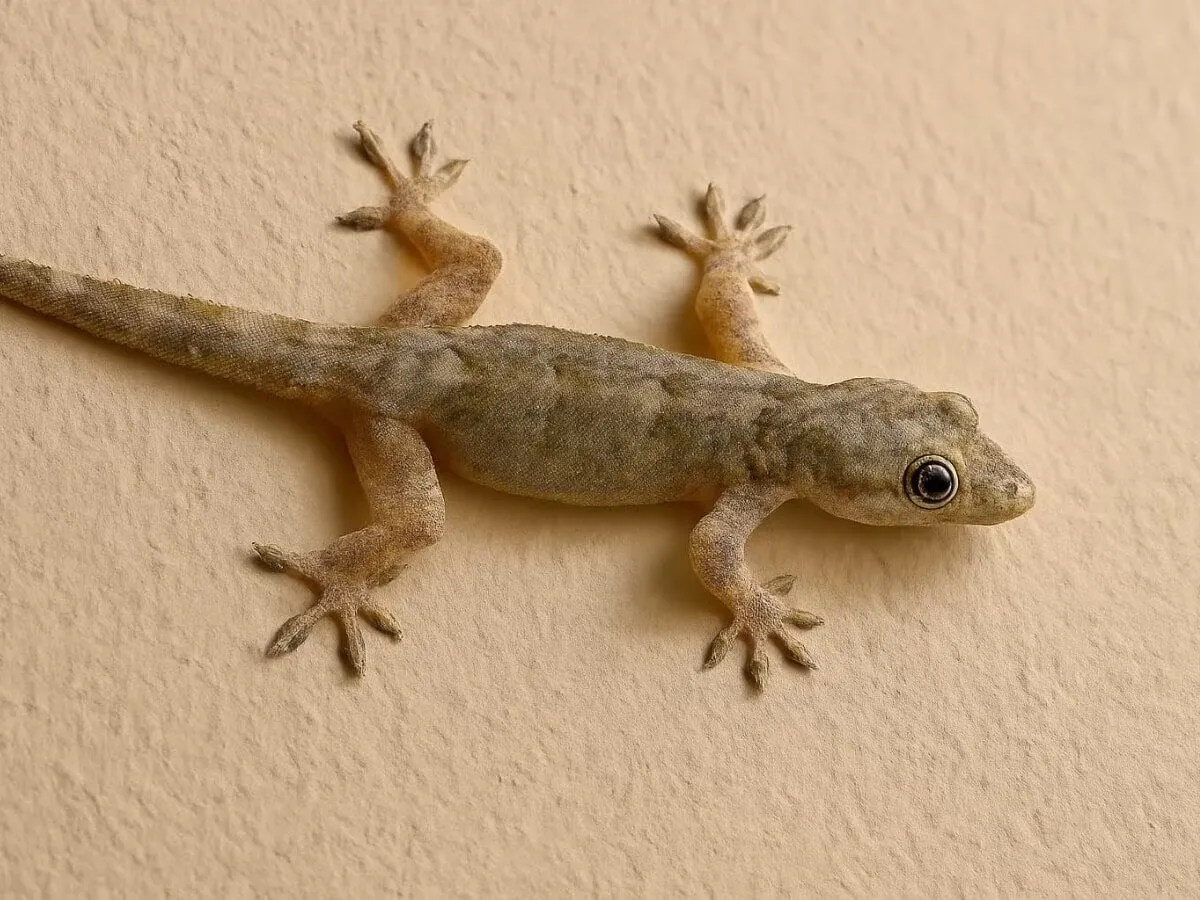
Understanding the Fear of Lizards

The CSR Journal Magazine

The fear of lizards is a common experience for many individuals. For those who are afraid, the presence of a lizard induces intense panic, often leading to physical reactions such as palpitations and anxiety. This reaction is typically not rational, as lizards are generally harmless creatures, but the experience can feel overwhelming to those with this phobia. Commonly, individuals might find themselves unable to enter a room without closely inspecting the area for the presence of these reptiles.

Many people who suffer from this fear have described the anxiety as being both immediate and physically debilitating. One individual recounted how the mere sight of a lizard can lead to an irregular heartbeat and feelings of numbness. This level of distress showcases how something so innocuous can greatly disrupt one’s peace of mind.

For others, their fear is informed by past experiences or environmental factors. A frightful encounter during childhood can shape an individual’s reaction to lizards, leading them to associate the sight of these creatures with a threat, enhancing their fear response whenever they come across one.

Origins of Phobia and Disgust

Understanding why lizards trigger such fear requires examining various influences, including temperament and learned behaviour. Some individuals report that their anxiety is linked not only to fear but also to disgust, sparked by the lizard’s rapid movements and unexpected appearances. This emotional response can result in significant distress, hindering the ability to focus on tasks or even to occupy spaces where a lizard is perceived to be nearby.

Dr Durva Dharmesh Shah, a psychiatrist, explained that reactions differ widely among individuals. What may be a trivial encounter for one person can evoke a flight response in another. Cultural and familial factors also play a crucial role; children who witness their parents react with fear may internalise similar responses, further perpetuating the cycle of anxiety.

The simple act of seeing a lizard can compel some individuals to thoroughly inspect their surroundings for signs of these reptiles, as illustrated by one individual’s preoccupation with checking washrooms before usage. Such behaviours highlight a strong psychological connection between experience and the resultant fear of lizards.

Pathways to Management and Treatment

The distinction between normal fear and a phobia is essential when examining the experiences of those who fear lizards. Dr Shah noted that while fear serves a protective function, it turns problematic when it excessively interferes with daily activities. Individuals may succeed in avoiding situations where lizards could appear, but if this avoidance leads to significant life disruptions, it may indicate a specific phobia.

Thankfully, there are effective treatments available for those grappling with lizard phobia. Cognitive Behavioural Therapy (CBT) is a recommended approach that can help sufferers challenge the thoughts underpinning their fears. Gradual exposure therapy is also beneficial, helping individuals desensitise themselves to the presence of lizards in controlled settings.

Ultimately, such therapeutic methods can yield remarkable improvements, allowing individuals to manage their fear successfully. However, the journey to overcoming this phobia is not instantaneous and often requires time and professional support. By accepting that phobias can be treatable, individuals can begin to reclaim their spaces from the fear that has long constrained them.

Long or Short, get news the way you like. No ads. No redirections. Download Newspin and Stay Alert, The CSR Journal Mobile app, for fast, crisp, clean updates!

App Store –  https://apps.apple.com/in/app/newspin/id6746449540 

Google Play Store – https://play.google.com/store/apps/details?id=com.inventifweb.newspin&pcampaignid=web_share

Latest News

Popular Videos