


Trump Says Significant Oil Flow Happened Through Strait of Hormuz
The CSR Journal Magazine

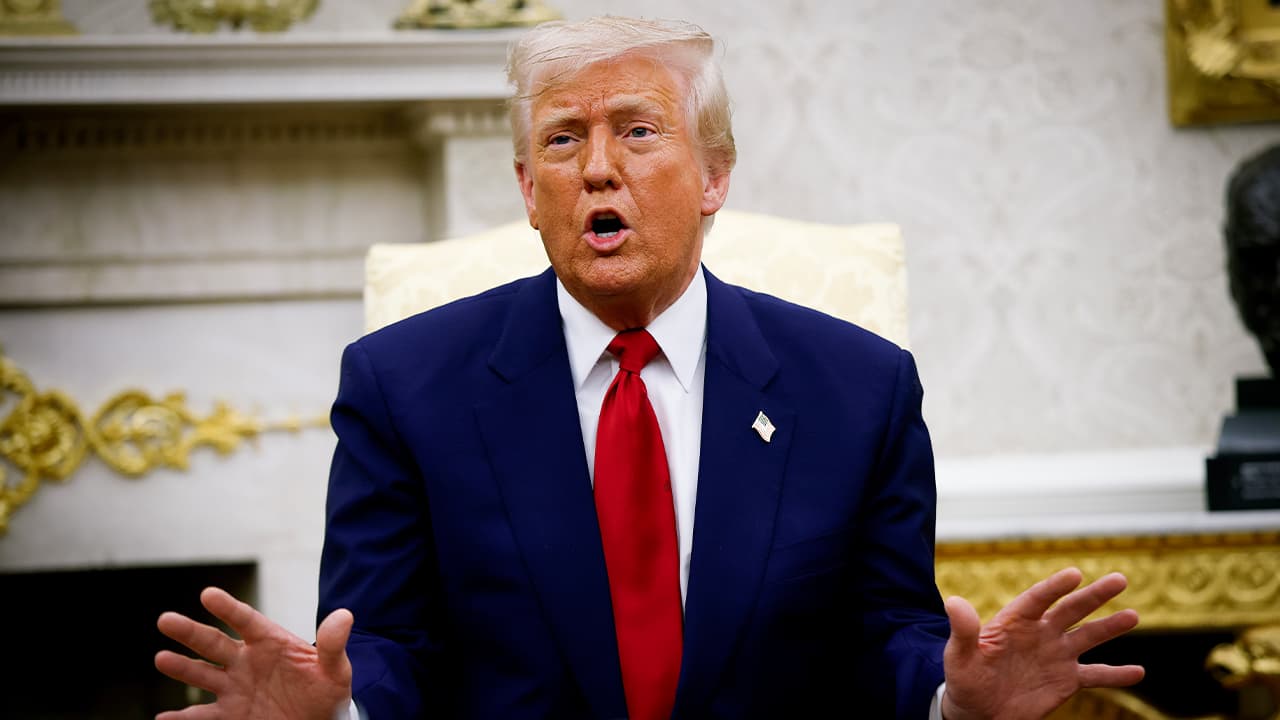
US President Donald Trump announced that the Strait of Hormuz experienced exceptional maritime activity, with 19 million barrels of oil being exported on Monday, a number he describes as a record. This remark was made during a White House press briefing following the implementation of a new diplomatic agreement between the United States and Iran.

In a post on Truth Social, Trump expressed satisfaction about the reductions in oil prices, claiming a more secure global environment as a result of the agreement. He stated, “Oil prices are tumbling down, and the world is a much safer place!” highlighting the potential positive impact of the new accord on global markets.

During the press session, Trump maintained that the maritime route remains open and accessible for international trade. “We took in more oil yesterday than has ever gone through the Strait! We have an oil gusher. The Strait is totally open,” he reported, framing the high oil flow as a noteworthy achievement.

Diplomatic Movements and Strategic Goals

Trump elaborated further on the diplomatic goals tied to this increase in oil flow, emphasising the United States’ commitment to ensuring uninterrupted global energy supplies and preventing Iran from acquiring nuclear weapons. The importance of regional stability was reiterated, as he stated, “We have two things! We have an open Strait and we have a country that will never have a nuclear weapon.”

In line with this diplomatic change, the US reportedly suspended its economic embargo on Iranian oil shipments on Monday. This decision came after an announcement by US Vice President JD Vance, indicating that Iran had agreed to allow the return of United Nations nuclear inspectors to the country.

Vance, speaking to the media following the negotiations in Switzerland, expressed hope for a final agreement and stated, “We laid a very good foundation for a successful final deal.” These discussions aim to alleviate military tensions between the US, Israel, and Iran, with a focus on reaching a lasting resolution.

Iran’s Position and Regional Repercussions

Regarding Iran’s perspective on recent developments, spokesperson for the Foreign Ministry, Esmaeil Baqaei, mentioned that while there was minimal discussion about nuclear issues, no specific details were addressed during negotiations. This suggests that while some progress has been made, significant challenges remain.

The ongoing talks build upon a memorandum of understanding formalised between the two countries the previous week, establishing a framework for peace negotiations after over a month of intense military action leading to a fragile truce.

Addressing the long-term nature of these negotiations, Vance commented on the complexity of reaching a final deal, stating, “The final deal is the house; we haven’t built the house, but we’ve laid a successful foundation.” Concurrently, Iran’s Foreign Minister, Abbas Araghchi, noted positive economic updates on social media, indicating a lifting of blockades and the release of frozen assets, suggesting a potential for development in Iran.

Despite these advances, regional dynamics remain intricate. Israeli Prime Minister Benjamin Netanyahu voiced concerns about the evolving diplomatic landscape, asserting that Israeli forces retain “full freedom of action to thwart any direct or developing threat” in southern Lebanon, highlighting ongoing tensions in the region.

Long or Short, get news the way you like. No ads. No redirections. Download Newspin and Stay Alert, The CSR Journal Mobile app, for fast, crisp, clean updates!

App Store –  https://apps.apple.com/in/app/newspin/id6746449540 

Google Play Store – https://play.google.com/store/apps/details?id=com.inventifweb.newspin&pcampaignid=web_share

Latest News

Popular Videos
