


Trump Links Iran Deal to Gulf States’ Participation in Abraham Accords
The CSR Journal Magazine

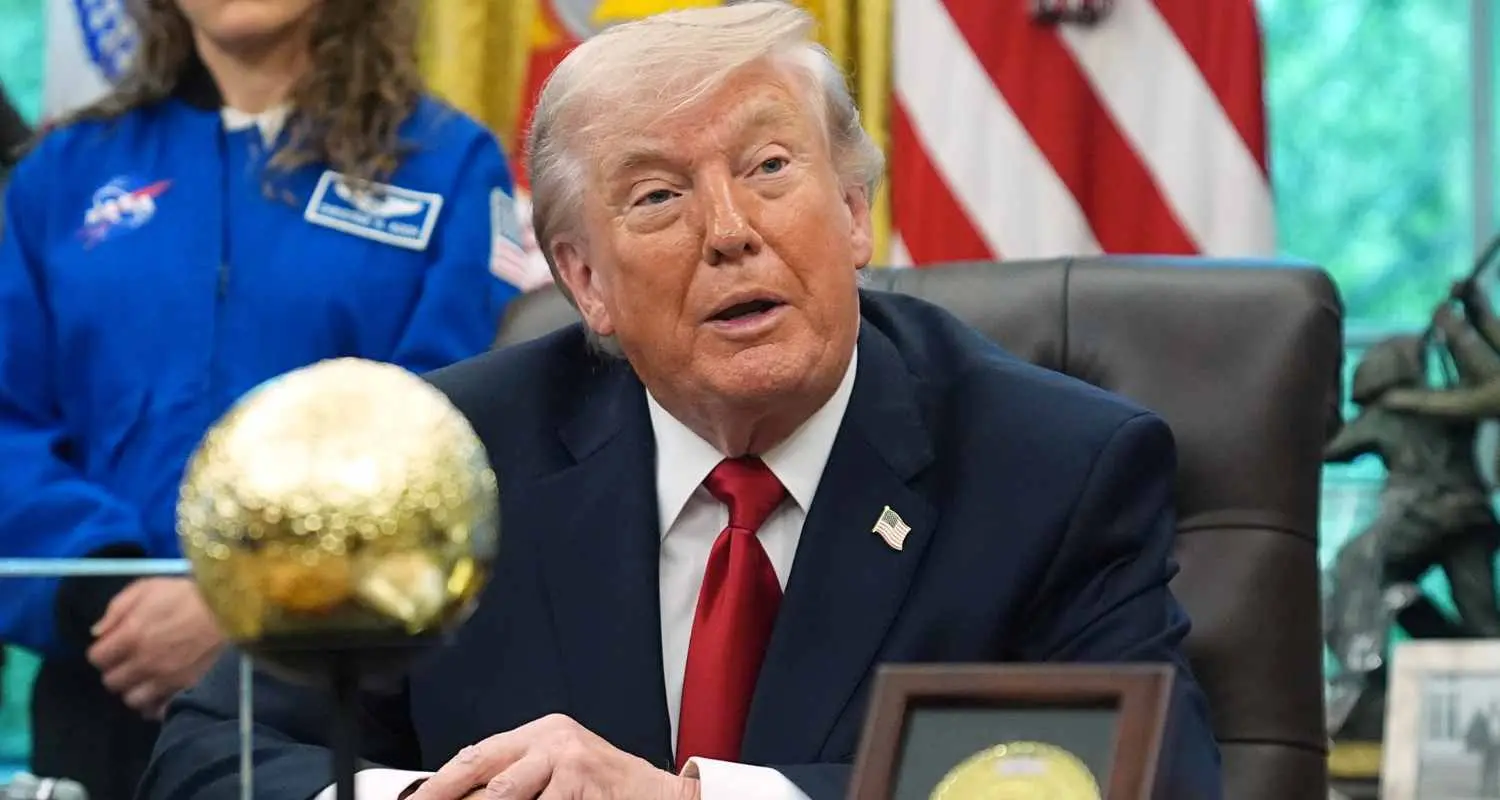
US President Donald Trump has reiterated that the ongoing negotiations with Iran will depend significantly on whether Gulf nations such as Saudi Arabia, Qatar, Pakistan, and Turkey agree to sign the Abraham Accords. The Accords, established during his presidency, were designed to normalise relations between Israel and various Arab and Muslim-majority countries. At a recent Cabinet meeting, Trump stated that he believes these countries owe it to the United States to formalise their participation in the agreements.

During the meeting, Trump directed questions towards his special envoy, Steve Witkoff, inquiring about the potential for additional countries to join the framework. Witkoff confirmed that efforts are ongoing to encourage more nations to partake in the accords. Trump indicated that the United States may reconsider its approach to the Middle East peace process if the Gulf states do not sign on.

The president specifically praised the United Arab Emirates, highlighting the economic and political benefits that could accrue to countries like Saudi Arabia, Qatar, and Kuwait if they formalise ties with Israel through the Accords. He described such an agreement as a historic opportunity for these countries.

Understanding the Abraham Accords

The Abraham Accords were launched in 2020, named after the significant religious figure respected across Judaism, Christianity, and Islam. They are aimed at fostering diplomatic relations and cooperation among Israel and Arab nations in various sectors, including trade, technology, tourism, medicine, and agriculture.

The United Arab Emirates and Bahrain were the first Gulf nations to establish official relations with Israel under these accords, followed by Morocco and Sudan. The United States has asserted that these agreements have initiated new trade opportunities and economic partnerships in the region, marking a crucial shift in Middle Eastern diplomacy since Egypt’s peace treaty with Israel in 1979 and Jordan’s agreement in 1994.

Israel and the UAE have progressed significantly since the formation of these accords, having signed multiple agreements in business and technology. This shift in diplomatic relations has sparked discussions about the future of similar agreements across the region.

Challenges to Broader Participation

Despite Trump’s optimism regarding the potential for increased participation in the Abraham Accords, several political obstacles persist. Saudi Arabia has consistently indicated that any move towards normalisation with Israel must be accompanied by meaningful progress on the issue of Palestinian statehood. Pakistan has already dismissed the idea of joining the framework.

Additionally, Qatar has maintained a neutral stance in regional conflicts, complicating its potential participation. Its ongoing ties with Hamas may further inhibit its willingness to join the accords. The possibility of Iran becoming a signatory to the Abraham Accords is viewed as highly improbable, given the Iranian regime’s foundational opposition to Israel.

Trump has also mentioned other regional players, including Egypt and Jordan, as potential future signatories while asserting that nations unwilling to join indicate “bad intention.” He has argued that a united approach would contribute to a stronger Middle East, even expressing hope that Iran might one day participate in this coalition.

Long or Short, get news the way you like. No ads. No redirections. Download Newspin and Stay Alert, The CSR Journal Mobile app, for fast, crisp, clean updates!

App Store –  https://apps.apple.com/in/app/newspin/id6746449540 

Google Play Store – https://play.google.com/store/apps/details?id=com.inventifweb.newspin&pcampaignid=web_share

Latest News

Popular Videos
