


Trump Defends Iran Peace Agreement to Avert Global Economic Crisis
The CSR Journal Magazine

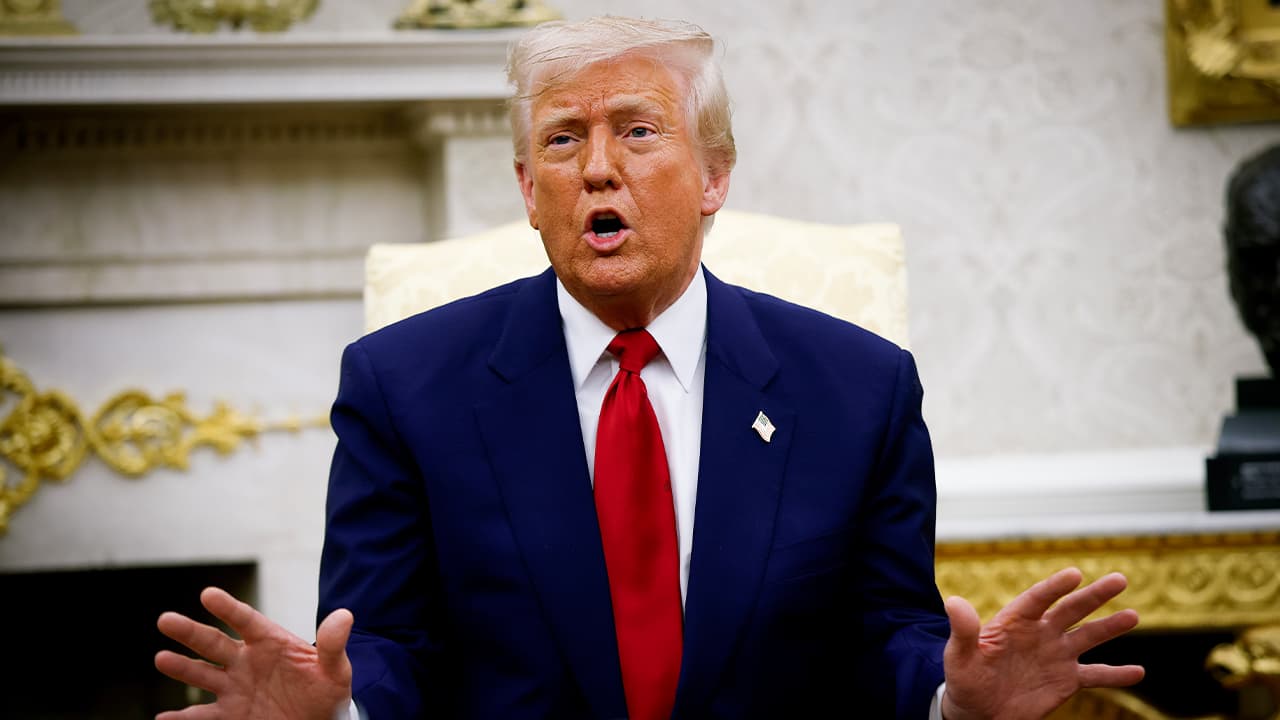
US President Donald Trump has articulated a vigorous defence of the peace agreement with Iran, stating the need to prevent a global economic catastrophe. Amid escalating tensions, he articulated these views during a press conference following the G7 summit held in Evian-les-Bains, France, on June 17, 2026. Trump highlighted that a protracted conflict could lead to severe disruptions in energy supplies and destabilise global trade and financial markets.

The President indicated that his primary objective was to avoid an economic breakdown akin to past global crises. He alluded to historical precedents, notably the Great Depression initiated by the 1929 stock market crash during Herbert Hoover’s presidency, suggesting that ongoing hostilities might similarly jeopardise international economic stability.

Trump explained that ensuring peace was crucial for maintaining maritime traffic through the Strait of Hormuz, a vital shipping route for oil and gas exports. He stated, “If we keep bombing, those ships won’t be going, and you’re talking about $500, 600, $700 million a day.”

Global Economic Impact of the Conflict

The unfolding conflict between the US and Iran has had far-reaching implications, triggering heightened anxiety in global markets and pushing oil prices upwards. Concerns grew particularly regarding inflation and potential shortages of essential supplies, hitting hardest in developing nations. Trump acknowledged these economic risks as a determining factor in his administration’s negotiations with Iran.

Maintaining a stable energy supply was vital for maintaining global economic health. Trump asserted that the agreement positioned itself as a remedy to restore normal maritime activity and mitigate risks posed by current hostilities. He reiterated that preventing escalating violence was necessary for maintaining operational shipping routes crucial to both the American and global economy.

Despite visible tensions, Trump noted that the economic fallout turned out to be less daunting than anticipated. He pointed out that contrary to fears, oil prices peaked significantly lower than projections, stating, “The oil never went to $350 a barrel; it went to $115, $120,” and observed that equities rebounded beyond pre-conflict levels, indicating resilience in the US market.

Details of the Proposed Agreement

As the discussions between Washington and Tehran progress, a memorandum of understanding has reportedly been agreed upon, detailing terms to facilitate a cessation of hostilities. According to Iranian state-run news agency IRNA, the upcoming accord proposes the end of fighting on multiple fronts and aims to lift maritime restrictions within the Gulf region.

The agreement, expected to grant Iran access to frozen assets and ease blockades on its maritime activity, seeks to realign shipping traffics to pre-conflict statuses. In return, Iran would reaffirm its commitment to refrain from developing nuclear weapons. This memorandum is intended to mark a significant step towards comprehensive negotiations regarding regional security and potential economic collaborations.

It is important to note that while details of the 14-point draft have been circulated, officials have indicated that a binding peace agreement remains contingent upon the final accord set to be signed within the next two days. Additionally, it has been emphasised that either party retains the option to withdraw before the conclusion of the formal signing ceremony on June 19, 2026.

Long or Short, get news the way you like. No ads. No redirections. Download Newspin and Stay Alert, The CSR Journal Mobile app, for fast, crisp, clean updates!

App Store –  https://apps.apple.com/in/app/newspin/id6746449540 

Google Play Store – https://play.google.com/store/apps/details?id=com.inventifweb.newspin&pcampaignid=web_share

Latest News

Popular Videos
