


Trump Cancels Peace Talks, US-Iran Conflict at an Uncertain Standstill
The CSR Journal Magazine

Recent attempts to revive negotiations in the ongoing US-Iran conflict have stalled, leading to diminished expectations for any immediate diplomatic resolution. Despite various backchannel discussions and mediation efforts involving regional players, both the United States and Iran appear steadfast in their core demands, leaving the current cessation of large-scale combat without a definitive path forward.

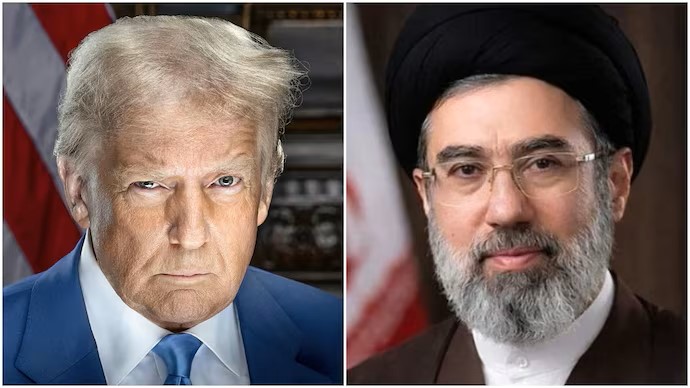
The situation became increasingly precarious following US President Donald Trump’s abrupt cancellation of scheduled talks with Iranian officials. Trump withdrew his envoys from a planned visit to Islamabad, stating that the extensive journey was not justified, given that the US possesses advantageous positions in its dealings with Iran.

According to news agency Reuters, US forces have begun discreetly removing security equipment from Pakistan’s capital, an action that suggests Trump is not preparing to resume talks with Iranian representatives in the near future. Although a ceasefire has temporarily halted major conflicts, there remains no consensus on how to resolve the ongoing disputes that arose after US-Israeli strikes on Iran earlier this year.

Iran Rejects Negotiations Under Pressure

Iran has firmly indicated that it will not engage in discussions perceived as coercive. President Masoud Pezeshkian communicated with Pakistan’s Prime Minister Shehbaz Sharif, asserting that Tehran would not entertain any talks conducted under threats or restrictions. He condemned Washington’s naval blockade as a violation of ceasefire agreements and contrary to international norms.

Iranian officials claim that such acts have exacerbated mistrust and raised serious doubts regarding the US’s commitment to dialogue. Tehran argues that the US must first eliminate obstacles, including the blockade of Iranian ports, before any substantial negotiations can commence. Additionally, Iran has maintained its own limitations in the Strait of Hormuz, attributing these measures directly to actions taken by Trump.

Despite a hardline stance, Iran’s Foreign Minister Abbas Araqchi has continued efforts at diplomatic outreach. He recently arrived in Islamabad following high-level discussions in Muscat, Oman, and is scheduled to continue his three-nation tour, which includes a visit to Moscow, Russia. His itinerary underscores Iran’s ongoing interest in regional diplomacy.

Core Demands Create Deadlock in US-Iran Relations

The deadlock in US-Iran negotiations is rooted in several contentious issues that both parties appear unwilling to compromise upon. The US has insisted that Iran must halt its nuclear programme and relinquish its stockpile of highly enriched uranium, while Iran has countered that any limitations on its programme should be temporary and within its sovereign rights.

In addition, Iran has demanded relief from sanctions, the release of billions in frozen assets, and compensation for damages incurred during the conflict. These stipulations have largely been dismissed or ignored by Washington, further widening the existing divide between the two nations.

Trump has adopted a confrontational position, suggesting that there are internal disagreements within Iran’s leadership. He remarked that even Iranians are unsure of who holds authority within their government, stating, “Nobody knows who is in charge, including them. We have all the cards, they have none! If they want to talk, all they have to do is call!”

Long or Short, get news the way you like. No ads. No redirections. Download Newspin and Stay Alert, The CSR Journal Mobile app, for fast, crisp, clean updates!

App Store –  https://apps.apple.com/in/app/newspin/id6746449540 

Google Play Store – https://play.google.com/store/apps/details?id=com.inventifweb.newspin&pcampaignid=web_share

Latest News

Popular Videos
