


Trump Asserts Iran Desires Negotiation, US Dissatisfied
The CSR Journal Magazine

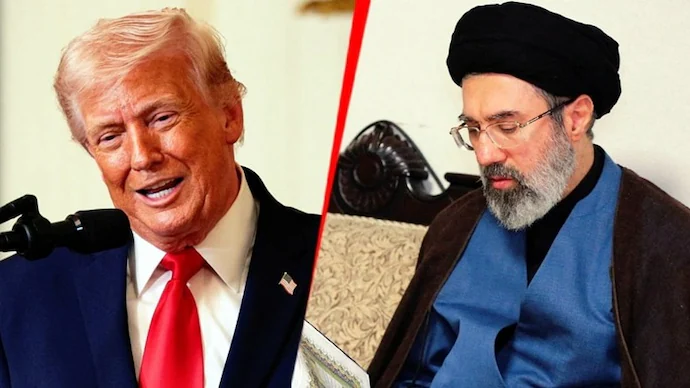
In a firm yet expectant address, US President Donald Trump has stated that Iran is under significant pressure to engage in discussions to reach a diplomatic resolution with the United States. During a cabinet meeting on May 27, Trump expressed his conviction that Iranian leaders are eager to secure a deal, despite the absence of a conclusive breakthrough to date.

Trump acknowledged that progress has not yet met the desired benchmarks, admitting, “So far, they haven’t gotten there. We’re not satisfied with it, but we will be.” His comments reflect a mixture of hopefulness regarding potential negotiations and a warning of decisive action should talks fail.

President Trump also noted that the Iranian government had initially believed they could outwait his administration in pursuit of a deal. He asserted that escalating economic pressures have severely limited the options available to Iran, stating, “They want to just make a deal. I don’t think they have a choice.”

White House Denies Claims of Preliminary Agreement

The White House has categorically rejected assertions made by Iranian state television that a preliminary agreement had been reached between Tehran and Washington to address ongoing hostilities in the West Asia region. The American administration labelled these claims as “complete fabrication,” seeking to clarify the state of diplomatic relations.

Iranian media had circulated details of an alleged Memorandum of Understanding (MoU) which purportedly required the United States to dismantle its naval blockade against Iran and withdraw its military forces from the Gulf area. These reported provisions were framed as part of a broader effort to facilitate a regional peace settlement.

In response to the Iranian claims, US officials issued a forthright statement dismissing the broadcast. The White House commented via X, highlighting that “this report from Iranian controlled media is not true,” and emphasising the importance of factual information in discussions of this nature.

Geopolitical Implications of the Strait of Hormuz

Following the disputed Iranian reports, it was alleged that normalisation of international commercial traffic through the vital Strait of Hormuz could occur within 30 days, contingent upon certain conditions. These included the complete withdrawal of US military presence from areas surrounding Iran.

According to the Iranian accounts, the proposed framework suggested that oversight of maritime shipping would be conducted in conjunction with regional partners, such as Oman, while omitting any reference to naval forces in operational plans. However, this narrative has been dismissed by US officials as entirely unfounded.

The Strait of Hormuz is a crucial maritime conduit, facilitating a significant portion of global crude oil supplies from the Persian Gulf. Consequently, developments or tensions in this strategic area are likely to exert a considerable impact on international fuel prices and the overall geopolitical landscape.

As discussions continue or stall, the implications of American-Iranian relations remain a focal point for global economic and political observers. The situation underscores ongoing complexities in the quest for regional stability and the multifaceted nature of international negotiations in this context.

Long or Short, get news the way you like. No ads. No redirections. Download Newspin and Stay Alert, The CSR Journal Mobile app, for fast, crisp, clean updates!

App Store –  https://apps.apple.com/in/app/newspin/id6746449540 

Google Play Store – https://play.google.com/store/apps/details?id=com.inventifweb.newspin&pcampaignid=web_share

Latest News

Popular Videos
