


Thailand Seeks Assistance from Russia and China Amid Economic Struggles Caused by Iran Conflict
The CSR Journal Magazine

Thailand is currently facing significant economic difficulties as it grapples with soaring fuel prices and shortages of essential fertilisers, issues that have been exacerbated by the ongoing conflict in Iran. With minimal support from the United States, Bangkok is striving to find assistance wherever possible, notably turning to Russia and China for help.

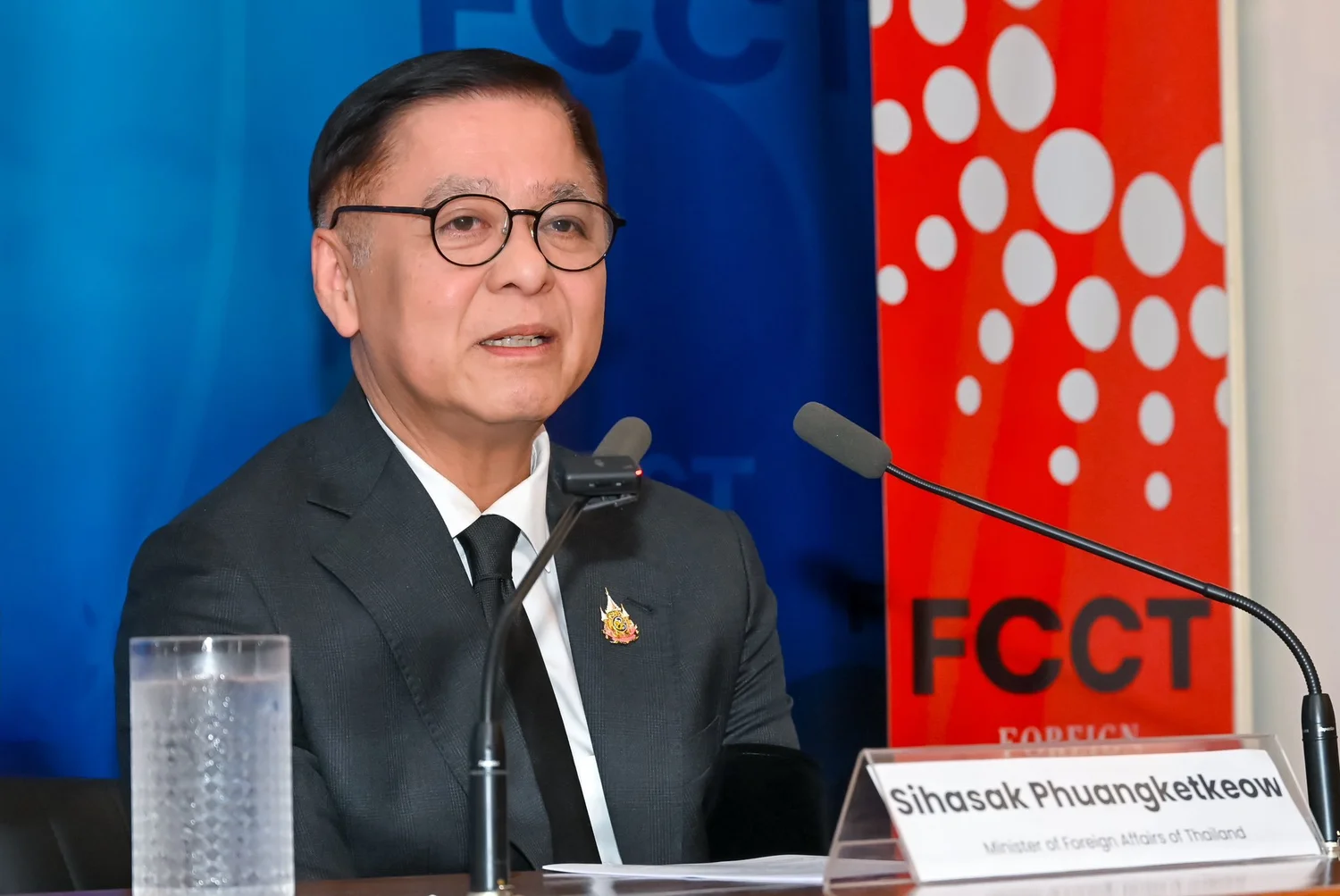
In a recent interview with The Washington Post, Thai Foreign Minister Sihasak Phuangketkeow articulated the frustrations of his government. He indicated that the Trump administration, despite Thailand being a longstanding ally, has provided little more than generic advice to “buy American oil,” rather than any substantial assistance.

As the economic impact from the conflict continues to deepen, Thailand’s leadership has recognised the pressing need to engage with alternative partners, given that traditional allies have not offered adequate support. The situation presents a pragmatic challenge for Thailand as it endeavours to safeguard its economy amid rising costs.

Disappointment with US Engagement

In his remarks, Sihasak acknowledged that while the US may eventually recognise the adverse consequences faced by nations such as Thailand, which rely heavily on stable energy supplies from the Middle East, there has been no proactive dialogue initiated by the American government. “They haven’t approached us directly saying, ‘Oh, we understand that you have to endure the impact, and we can help you out,'” he stated.

The only indication of support from the Trump administration was a suggestion made during a national address that countries experiencing fuel inadequacies should procure American oil and gas. For Thailand, this advice has come across more as a market pitch rather than a gesture of solidarity from a close ally struggling with extraordinary global price hikes.

With the conflict entering its third month, the negative repercussions for Asian economies have been severe. While the United States has begun to feel the financial strain of rising energy prices, the impact is much harsher for countries dependent on fuel and fertilisers, with no clear resolution in sight following the collapse of planned discussions in Pakistan.

Thailand’s Strategic Positioning

Thailand, home to over 10 million farmers and a critical logistics hub for US military operations in Asia, now faces a pressing predicament. The disruption in the supply chain has led to delays in delivering vital goods, forcing the country to look for alternatives at inflated costs. Reports indicate a near doubling of urea fertiliser prices since the onset of the conflict, a vital input for Thailand’s agricultural sector.

This month, diesel prices surged to an unprecedented high, affecting various sectors ranging from transportation to food production. In light of the impending planting season in May, Thailand’s agriculture minister has travelled to Moscow to negotiate for fertiliser supplies. Additionally, discussions are underway to explore importing Russian crude oil, although concerns regarding compliance with US sanctions remain a barrier.

During a recent meeting in Krabi with Chinese Foreign Minister Wang Yi, Sihasak sought assistance for the safe passage of eight stranded Thai vessels through the Strait of Hormuz. However, it was noted that China, too, faces challenges with approximately 70 of its vessels blocked in the same strait.

Concerns Over Unpredictable Policies

Sihasak expressed a cautious outlook on US foreign policy, highlighting a lack of clarity in Washington’s direction. He remarked, “Our position is that this war should not have taken place in the first place,” indicating a hesitance to directly criticise the US while pointing out the unpredictability surrounding its foreign engagements.

The minister underscored the challenges posed by Trump’s tariff policies and the reduction of US aid, which have left many traditional allies feeling vulnerable to new uncertainties, including economic challenges and public health issues. In contrast, Thailand appears to view China as a more stable partner, even as Beijing pursues its own interests.

The human costs of the ongoing conflict were tragically highlighted in March when a Thai-flagged vessel was struck by Iranian missiles, resulting in the loss of three Thai crew members. As the situation deteriorates, Thailand’s experience reflects a broader trend in Asia, where countries must navigate complicated geopolitical landscapes in an urgent search for stability.

Long or Short, get news the way you like. No ads. No redirections. Download Newspin and Stay Alert, The CSR Journal Mobile app, for fast, crisp, clean updates!

App Store –  https://apps.apple.com/in/app/newspin/id6746449540 

Google Play Store – https://play.google.com/store/apps/details?id=com.inventifweb.newspin&pcampaignid=web_share

Latest News

Popular Videos
