


Iran Forms Regulatory Body to Oversee Maritime Activities Through Strait of Hormuz
The CSR Journal Magazine

Iran has formed a new regulatory body to oversee maritime activities through the Strait of Hormuz, a move aimed at tightening its control over this crucial shipping corridor amid rising tensions with the United States and its allies. The newly established organisation is called the Persian Gulf Strait Authority (PGSA), which was publicly announced on May 18, 2026.

In its initial statement, the authority presented itself as “the legal entity and representative authority of the Islamic Republic of Iran for managing the passage and transit through the Strait of Hormuz.” It further indicated that maritime navigation would mandate “full coordination” with Iranian military and state officials, asserting that any passage without prior permission would be deemed illegal.

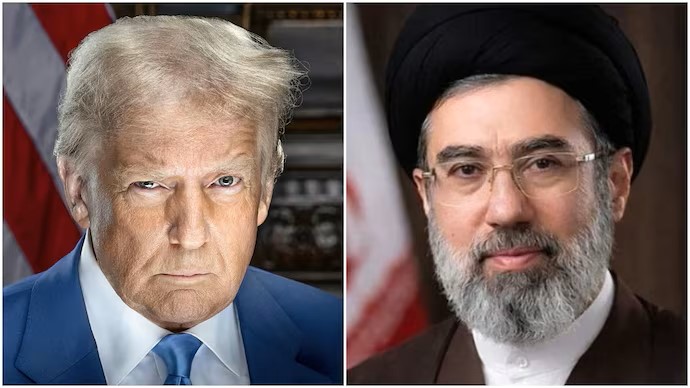
This development aligns with Iran’s recent diplomatic approach. Allegations indicate that Iran sought enhanced maritime control and access in a 14-point peace proposal submitted to the US, which American President Donald Trump has since rejected during ongoing discussions.

Operational Changes for Vessels in Hormuz

Various Iranian media outlets, including Tasnim News Agency and Fars News Agency, have reported that the PGSA will manage the coordination of shipping activities, maritime transit routes, and services associated with movement through the strait. In light of this new authority, commercial vessels may soon be required to adhere to designated shipping corridors, obtain permits prior to entering the strait, and disclose cargo and crew information to Iranian authorities.

Ebrahim Azizi, who chairs Iran’s parliamentary National Security and Foreign Policy Committee, has stated that this mechanism is designed to reinforce Iran’s “national sovereignty.” He mentioned on social media that the shipping route is not open to operators involved in what he termed the “freedom project,” implying a selective approach to maritime access.

Azizi noted that only nations and vessels cooperating with Iran would avail themselves of the benefits of the newly established maritime regulations. Reports have also suggested that there could be service fees for the vessels using the Strait of Hormuz, although the specifics remain unclear.

Strait of Hormuz: A Strategic Maritime Corridor

The Strait of Hormuz is acknowledged as one of the world’s most vital maritime chokepoints, facilitating the movement of substantial quantities of crude oil and natural gas to international markets. Any disruption within this narrow passage has immediate consequences for global energy prices and supply chains, making it a focal point of international maritime security.

Tensions have escalated significantly in the region since the onset of hostilities between Iran and the United States. Both countries have effectively imposed naval blockades in the strait, further complicating navigation. Recent reports from news agency Reuters indicated that Iran has expanded the operational area associated with the strait, covering the region from Jask in the east to Siri Island in the west.

However, as of now, Iran has not clarified the specific legal authority or organisational structure that the Persian Gulf Strait Authority will operate under. The situation continues to develop as stakeholders observe the implications of this new maritime governance structure on global trade and regional stability.

Long or Short, get news the way you like. No ads. No redirections. Download Newspin and Stay Alert, The CSR Journal Mobile app, for fast, crisp, clean updates!

App Store –  https://apps.apple.com/in/app/newspin/id6746449540 

Google Play Store – https://play.google.com/store/apps/details?id=com.inventifweb.newspin&pcampaignid=web_share

Latest News

Popular Videos
