


Supreme Court Grants Bail to Tathya Patel in ISKCON Bridge Case
The CSR Journal Magazine

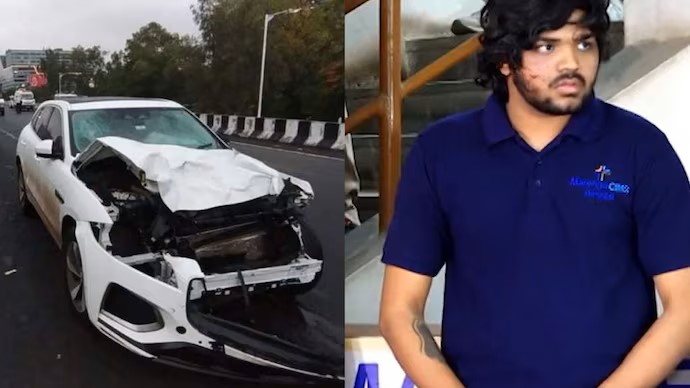
The Supreme Court has granted regular bail to Tathya Patel, the key suspect in the ISKCON Bridge tragedy in Ahmedabad that resulted in nine fatalities. This decision comes nearly three years after the tragic incident that occurred in July 2023. The court has mandated Patel to deposit Rs 1 crore with the trial court within a two-week timeframe as part of the bail conditions.

During the court proceedings, the legal representative for the Gujarat government proposed that Patel should deposit an amount equivalent to Rs 10 lakh for each of the deceased victims. In response, Patel’s counsel accepted this proposal, leading the court to finalise the sum as a lump-sum deposit of Rs 1 crore. It is crucial to note that this deposit does not serve as compensation, as the trial is still ongoing, and Patel has not yet been found guilty.

At the heart of this case is the incident where Patel allegedly lost control of his speeding Jaguar vehicle, crashing it into a gathering of people as well as several parked cars, which subsequently resulted in numerous injuries and fatalities. The crash sparked significant outrage and concern throughout Gujarat and across the nation, raising questions around road safety and accountability.

Current Status of the Legal Proceedings

A chargesheet regarding the incident was submitted within a week following the crash. The trial is currently ongoing in the Ahmedabad Rural Sessions Court, where around 29 witnesses have provided testimony thus far, with additional witnesses yet to be cross-examined. The prosecution has listed a total of 191 potential witnesses in the case, indicating the complexity and seriousness of the proceedings.

Patel faces significant legal hurdles, including charges filed under Section 304 of the Indian Penal Code, among other related statutes. Bail applications made by Patel have previously been denied by both the trial court and the Gujarat High Court, which underscored the weight of the charges and the broader societal impact of the incident on public safety.

The latest ruling from the Supreme Court to grant bail after nearly two years and ten months of Patel’s custody has revived focus on this prominent road crash case, which has received considerable national attention. The legal implications and the eventual outcome will likely influence similar cases across the region.

Implications of the Supreme Court’s Ruling

The Supreme Court’s decision is significant, as it not only affects the accused but also potentially sets a precedent for future bail applications in high-profile cases involving severe allegations. By requiring a substantial deposit before granting bail, the court is signalling the importance of accountability while ensuring that the rights of the accused are upheld until a verdict is reached.

The court clarified that the deposit is not an admission of liability and reiterated that the resolution of compensation claims will hinge on the trial’s outcome. This distinction has become an essential aspect of the ongoing legal discussion related to this case.

As the trial progresses, it remains to be seen how the evidence and testimonies will unfold in court, shaping both the legal narrative and public perception surrounding road safety in India. The case continues to highlight the need for stricter enforcement of traffic regulations and greater accountability for reckless driving.

Long or Short, get news the way you like. No ads. No redirections. Download Newspin and Stay Alert, The CSR Journal Mobile app, for fast, crisp, clean updates!

App Store –  https://apps.apple.com/in/app/newspin/id6746449540 

Google Play Store – https://play.google.com/store/apps/details?id=com.inventifweb.newspin&pcampaignid=web_share

Latest News

Popular Videos
