


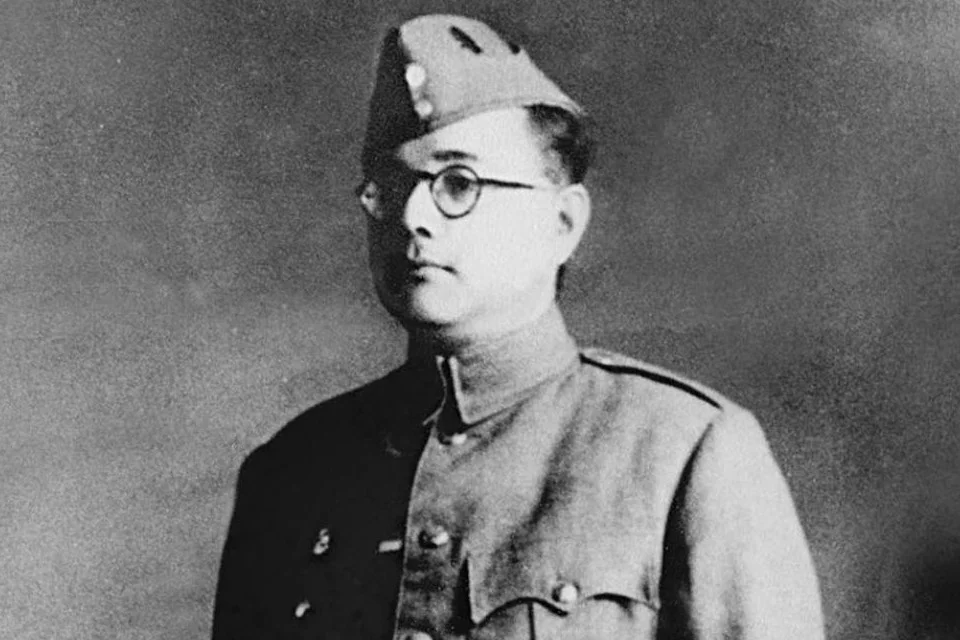
Subhas Chandra Bose Wrote 1920 Civil Services Exam in Sanskrit, Recalls PM Modi at UPSC Centenary
The CSR Journal Magazine

Prime Minister Narendra Modi commended freedom fighter Subhas Chandra Bose for his decision to write the civil services examination in Sanskrit back in 1920, during British rule. This acknowledgment took place during the centenary celebrations of the Union Public Service Commission (UPSC) at Bharat Mandapam on Thursday.

Modi referred to this commemoration as a testament to the aspirations of countless young individuals in India, emphasising the enduring trust that citizens of the country place in this institution over the years. He noted that despite changes in generations, governments, and technology, the credibility of the UPSC remains steadfast.

Reflecting on the UPSC’s Evolution

During his address, Prime Minister Modi urged attendees to explore the gallery set up at the event venue. He highlighted the significance of the past by sharing details about Subhas Chandra Bose’s experience in 1920, when he undertook his examination despite the British regime’s presence. Modi noted that Sanskrit was an option for candidates even during those times and acknowledged Bose’s choice to utilise it.

In contrast to the British Raj’s origins, the Prime Minister pointed out how the UPSC has evolved since India gained independence. He stressed that while the institution has fulfilled its historical role, it must now prepare to meet the aspirations and dreams of a new era over the next 25 years.

Modi also paid tribute to Sardar Vallabhbhai Patel, the first Home Minister of Independent India, crediting him for establishing solid governance structures in the newly formed nation. He praised Patel’s contributions in fortifying the civil services as a fundamental pillar of a unified India.

Civil Services Day and Historical Context

April 21 is marked annually as Civil Services Day, commemorating Sardar Patel’s noteworthy address delivered in 1947 at Metcalf House, New Delhi. In this speech, he referred to civil servants as the “steel frame of India,” emphasising their importance in governance.

The historical backdrop of civil services in India dates back to the East India Company, where officials were initially nominated by company directors and trained in Haileybury College, London, prior to being dispatched to India. This practice shifted following Lord Macaulay’s 1854 report to the British Parliament, which called for the establishment of a merit-based modern civil service in the country, leading to the formation of a Civil Service Commission that same year.

Competitive examinations commenced in 1855, marking the beginning of a structured approach to civil services in India. The UPSC’s institutional history officially began with the inception of India’s first Public Service Commission on October 1, 1926, which later evolved into the Federal Public Service Commission on April 1, 1937. Following the adoption of the Indian Constitution on January 26, 1950, the Federal Public Service Commission was renamed the Union Public Service Commission, continuing to serve as a cornerstone of public administration in India.

Long or Short, get news the way you like. No ads. No redirections. Download Newspin and Stay Alert, The CSR Journal Mobile app, for fast, crisp, clean updates!

App Store –  https://apps.apple.com/in/app/newspin/id6746449540 

Google Play Store – https://play.google.com/store/apps/details?id=com.inventifweb.newspin&pcampaignid=web_share

Latest News

Popular Videos
