


Strait of Hormuz Expected to Reopen Following MoU with Iran: Trump
The CSR Journal Magazine

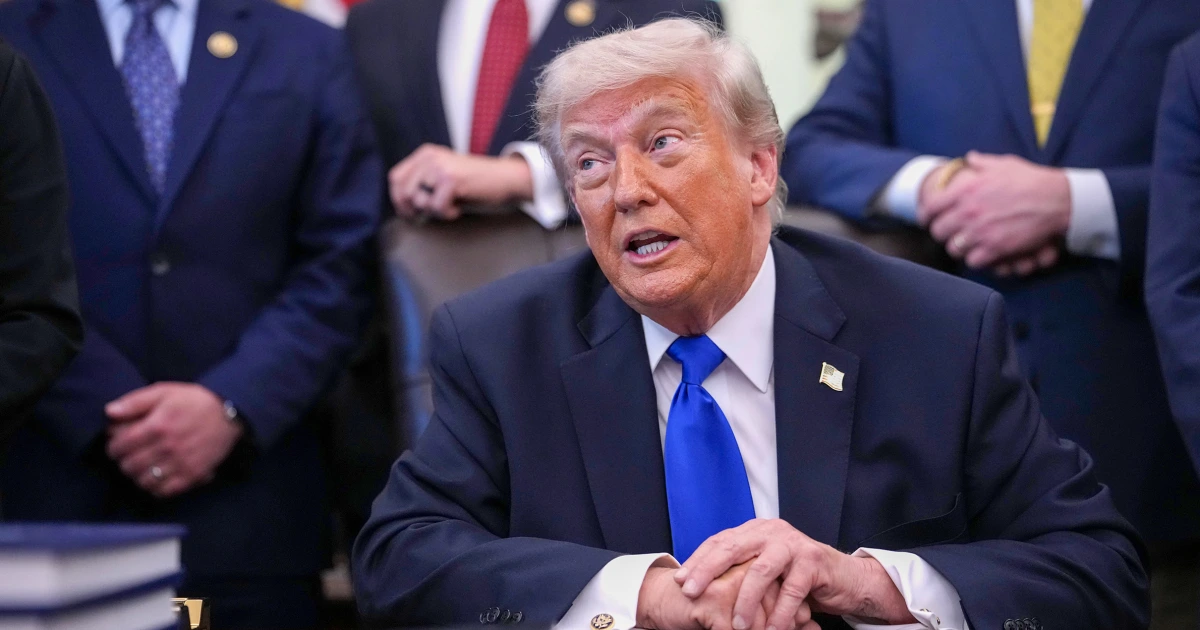
The announcement from US President Donald Trump indicates that diplomatic negotiations with Iran are reportedly moving in a positive direction. During a press briefing at the White House on June 4, Trump expressed optimism; however, he also acknowledged the uncertainty surrounding a final agreement. He remarked that despite progress, there was no guarantee of a successful deal, asserting, “It might not happen, you know? Who knows?”

Trump further suggested that if a pact were to be finalised, it could potentially occur over the weekend. His remarks highlight the unpredictability often associated with negotiations involving Iran, noting, “Anything can happen when you’re dealing with Iran.” The president is hopeful about the future of these talks and their potential outcome.

Maritime Security and the Strait of Hormuz

Turning to issues of maritime security, President Trump stated that the strategic Strait of Hormuz would be reopened “immediately upon signing” a memorandum of understanding with Iran. He expressed confidence that maritime traffic through this critical waterway would resume quickly. Trump noted, “It will open up quickly,” and added, “We’ve already had our mine sweepers there,” indicating preparatory measures taken by US forces in the region.

In addressing the reopening of the strait, Trump preferred to keep this issue distinct from the ongoing violence in Lebanon, where Israeli strikes have intensified. He reiterated, “I’d like to separate it,” underlining his intention to delineate the two matters. This separation aims to facilitate clearer dialogues regarding maritime activities while dealing with broader regional tensions.

Iran’s Response and Regional Tensions

Contrasting with the optimism coming from Washington, Iranian Foreign Minister Abbas Araghchi indicated that communication channels between Iran and the United States remain open but highlighted the absence of significant advancements in resolving regional conflicts. In an interview with Al Mayadeen television, Araghchi stated that discussions about halting aggression towards Beirut had taken place, but meaningful results have not been achieved, reiterating the need for concrete preconditions before returning to formal negotiations.

Araghchi outlined that a return to the negotiating table hinges on several conditions, including safeguarding the rights of the Iranian people and de-escalating the situation in Lebanon. He warned against military strikes aimed at Beirut, asserting there would be grave consequences if such actions were taken. The Iranian military is reportedly on high alert, ready to respond to potential attacks.

This ongoing tension is exacerbated by recent developments, including a deadly strike at Kuwait International Airport, which is attributed to military actions in the region. The Iranian Islamic Revolutionary Guard Corps (IRGC) has denied involvement, attributing the incident to malfunctions in US equipment rather than Iranian aggression. The strike, which resulted in one fatality and numerous injuries, has sparked condemnation from various factions, prompting the MEA to call for an end to attacks on civilian locations.

As the situation unfolds, regional stability remains precarious, with military actions leading to responses across borders. The ongoing conflict reinforces the complex and delicate nature of relationships in the area, particularly between Iran and the Gulf states, as diplomatic efforts continue to be hampered by mutual mistrust and retaliatory actions. The results of the negotiations in play will be critical in shaping the future of this volatile region.

Long or Short, get news the way you like. No ads. No redirections. Download Newspin and Stay Alert, The CSR Journal Mobile app, for fast, crisp, clean updates!

App Store –  https://apps.apple.com/in/app/newspin/id6746449540 

Google Play Store – https://play.google.com/store/apps/details?id=com.inventifweb.newspin&pcampaignid=web_share

Latest News

Popular Videos
