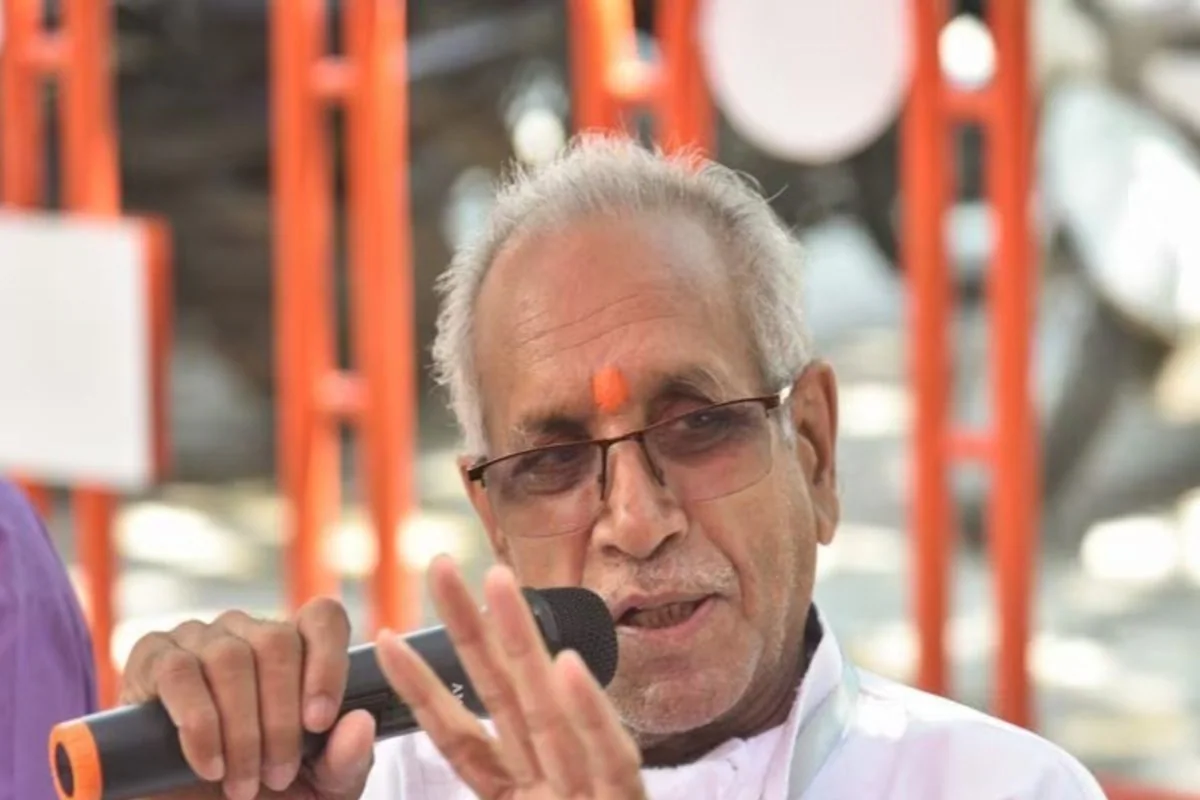

The recent report from the Special Investigation Team (SIT) has intensified the scrutiny surrounding Champat Rai, general secretary of the Shri Ram Janmabhoomi Teerth Kshetra Trust. The investigation is centred on allegations concerning the management of donations at the Ram Mandir, raising vital questions about Rai’s accountability in this high-profile case. The outcome of the SIT’s findings may determine whether Rai will be exonerated or face further inquiries regarding his conduct.
Rai’s influential position within the trust has long made him a key player in the temple construction efforts. Initially celebrated for overseeing the project, recent allegations of potential mismanagement have brought his role into question. Critics are now asking whether Rai should bear responsibility for alleged irregularities due to his prominent position.
Throughout his involvement, Rai has been viewed by supporters as a dedicated figure within the Ram Mandir movement and is known for his connection to the Rashtriya Swayamsevak Sangh (RSS) and the Vishva Hindu Parishad (VHP). While many praise his simplicity and commitment, detractors point to his perceived rigidity in dealings with differing opinions, particularly in relation to the temple’s management.
Concerns Raised by the Old Guard
The establishment of the Shri Ram Janmabhoomi Teerth Kshetra Trust prompted backlash from various groups within the Ram Mandir movement. Long-time participants have expressed dissatisfaction concerning their exclusion from key roles in the trust, believing that those who faced legal challenges and protests during the campaign deserved more prominent representation.
Although Mahant Nritya Gopal Das was named president of the trust, critics contended that Rai maintained a disproportionate share of decision-making authority. This perceived concentration of power has led to unease among many religious leaders in Ayodhya, some of whom have opted to remain silent rather than challenge Rai’s significant influence.
Members of the trust include not only significant religious figures but also former bureaucrats and officials from the local administration. Nonetheless, allegations have surfaced indicating that Rai’s authority persisted unchecked, resulting in some members stepping back from daily governance issues related to the temple.