


Scientists Find Common Garden Flower Could Be a Game-Changing Protein Source
The CSR Journal Magazine

Recent scientific investigation suggests that a widely known garden flower may serve as a significant source of protein. This finding has emerged from studies conducted by researchers examining the nutritional composition of this floral specimen. Researchers aim to explore the practical applications of this discovery in addressing global food security challenges.

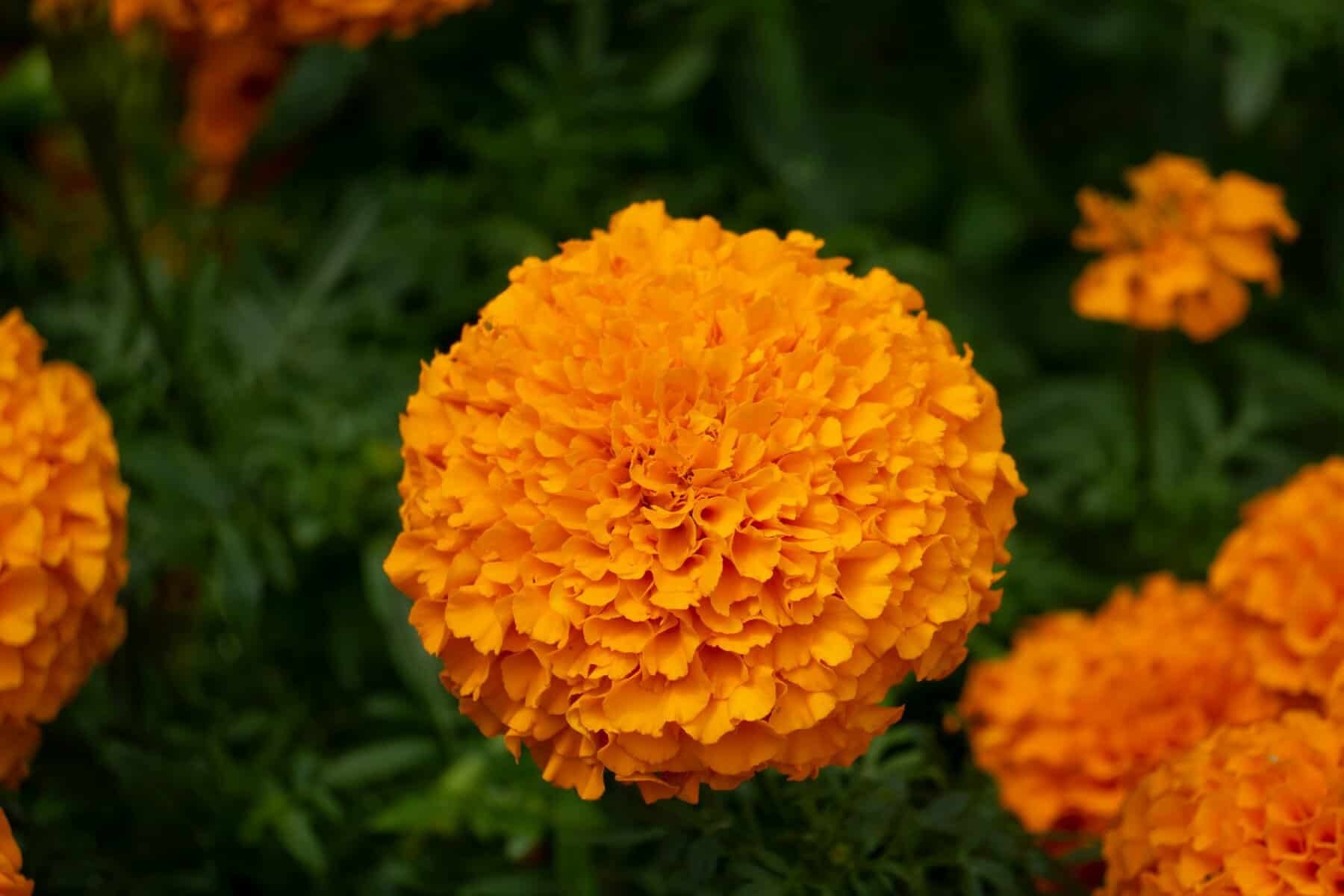
The flower in question is noted for its vibrant appearance and ease of cultivation, making it a favourite in many household gardens. Initial laboratory analyses indicate that it contains a remarkable concentration of proteins, which could be harnessed for both human consumption and animal feed. This could potentially alter approaches to sourcing alternative protein options.

Implications for Food Security and Nutrition

The implications of this research are vast, particularly in the context of food security. As the global population continues to grow, the demand for sustainable protein sources is becoming increasingly pressing. This flower’s protein content presents an opportunity to explore innovative food products that could enrich diets, especially in regions where traditional protein sources are scarce or expensive.

In addition to its potential for human food products, the protein derived from the flower may also be suitable for livestock. This dual applicability could encourage farmers to diversify their feed options, possibly leading to enhanced food production systems. Also, the use of plants in food security strategies has been favoured, given their sustainability compared to animal-derived proteins.

Experts underline the importance of conducting further research to determine the most effective methods for harvesting and processing the proteins. This would ensure that the flower can be utilised in a manner that maximises its nutritional benefits while also being economically feasible for broader agricultural use.

Future Research Directions and Challenges

Despite the promising prospects, a number of challenges remain regarding the integration of this flower into the food supply chain. Research is currently required to assess the environmental impact of cultivating large quantities of this flower. Additionally, potential issues regarding allergenic responses in humans and animals necessitate thorough investigation.

Furthermore, researchers highlight that consumer acceptance will play a crucial role in determining whether products derived from this garden flower can achieve market penetration. Educational campaigns may be necessary to inform the public about the health benefits and sustainability advantages associated with the use of such alternative protein sources.

The journey from laboratory discovery to practical application will involve collaboration among scientists, agricultural professionals, and policymakers. As discussions regarding sustainable agriculture intensify across the globe, this flower might emerge as a leading candidate in the search for innovative protein solutions.

Long or Short, get news the way you like. No ads. No redirections. Download Newspin and Stay Alert, The CSR Journal Mobile app, for fast, crisp, clean updates!

App Store –  https://apps.apple.com/in/app/newspin/id6746449540 

Google Play Store – https://play.google.com/store/apps/details?id=com.inventifweb.newspin&pcampaignid=web_share

Latest News

Popular Videos
