


Saudi Arabia Develops Ambitious Car-Free Area Near the Red Sea
The CSR Journal Magazine

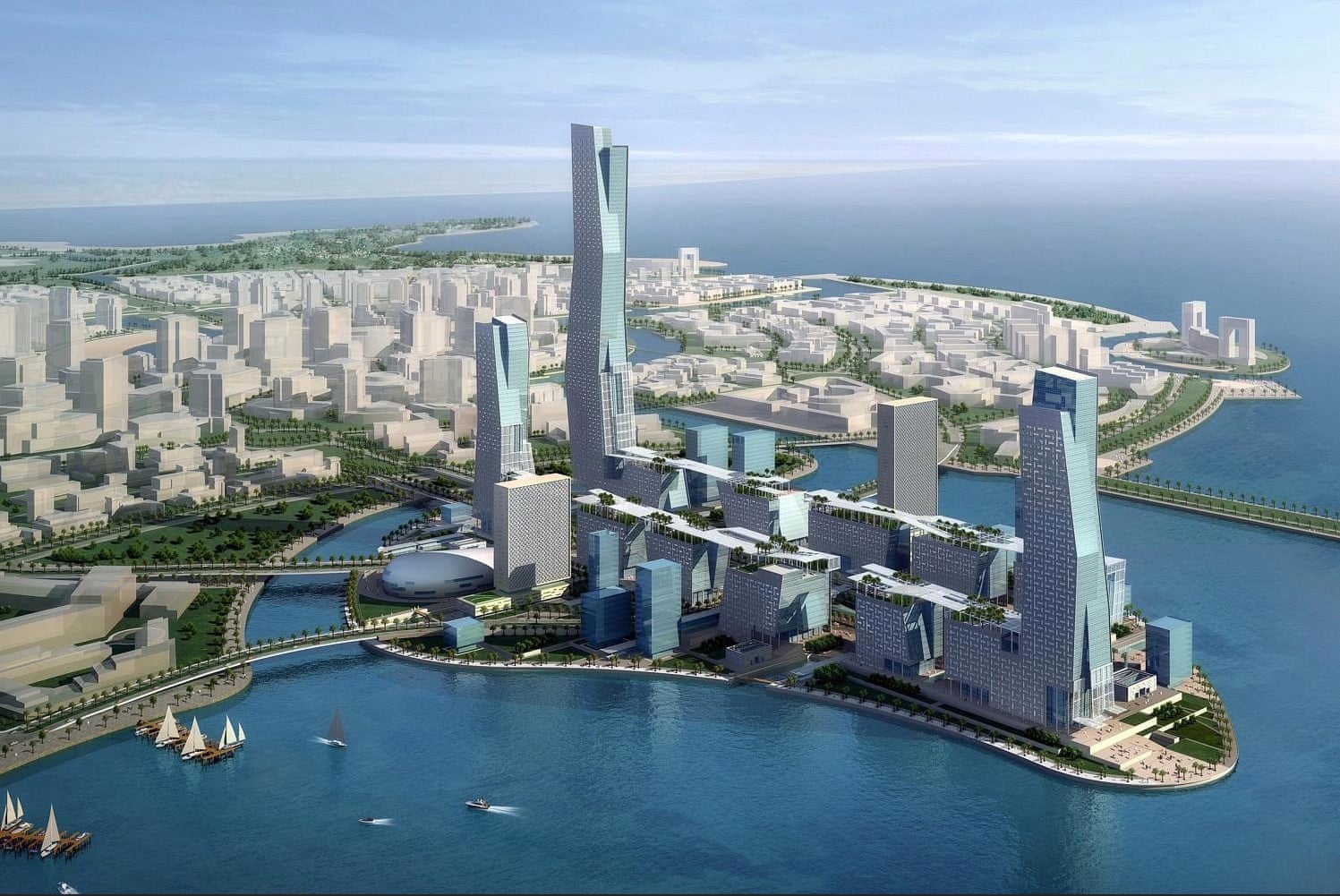
Saudi Arabia is initiating a large-scale, car-free region adjacent to the Red Sea. This ambitious urban project is part of the broader Vision 2030 initiative, which aims to diversify the economy and reduce dependence on oil revenues. Spanning thousands of kilometres, the development seeks to integrate sustainability, modern living, and tourism.

The city project reportedly includes a series of interconnected communities designed to encourage walking and cycling. It is envisioned to host residential, commercial, and recreational spaces, facilitating a cohesive living environment. Officials have indicated that the area will incorporate advanced technologies and infrastructure to support this model of urban living.

A key component of this project is the eradication of cars within designated zones. The intention behind this strategy is to minimize carbon emissions and promote healthier lifestyles among residents and visitors. Initial planning has focused on creating extensive pedestrian pathways and green spaces to enhance the overall environment.

Shifts in Design and Implementation

As planning for the futuristic city progresses, it has undergone several transformations. Earlier concepts were more expansive, but recent developments have revealed a refined focus on practicality and functionality. Project leaders have acknowledged the need to address logistical challenges and the importance of integrating feedback from urban planners and environmental specialists.

Innovative designs that were once part of the project are being reassessed to ensure feasibility and sustainability. Discussions surrounding economic implications have also influenced the design process, as balancing ambition with realistic execution is crucial for success. In particular, officials are deliberating on cost management and securing investments necessary for the project’s realisation.

Additionally, the emphasis on community-based living is shifting the focus toward creating social spaces within the city. With this approach, the aim is to foster a sense of belonging among residents while promoting social interactions and community activities. The design aims to create communal gardens, public art installations, and shared recreational facilities, enriching the urban experience.

International and National Implications

The newly proposed car-free development is generating significant interest both domestically and internationally. By positioning itself as a leader in sustainable urban planning, Saudi Arabia aims to attract global investors and tourists. This strategy aligns with the country’s efforts to bolster its tourism sector and promote regional development.

Moreover, the project highlights Saudi Arabia’s commitment to environmental sustainability, coinciding with global movements towards greener cities. Discussions have arisen regarding how this initiative could set a precedent for future urban developments in the region. Industry experts have noted that if successful, the project may inspire similar ventures across the Middle East and beyond.

As the planning evolves, it remains essential for stakeholders to engage with the local communities and broader audiences to assess the project’s potential impact. By fostering an inclusive dialogue, the planners aim to ensure that the needs of residents are reflected in the ongoing development processes. The success of this ambitious project will depend on careful navigation of these complex social and economic landscapes.

Long or Short, get news the way you like. No ads. No redirections. Download Newspin and Stay Alert, The CSR Journal Mobile app, for fast, crisp, clean updates!

App Store –  https://apps.apple.com/in/app/newspin/id6746449540 

Google Play Store – https://play.google.com/store/apps/details?id=com.inventifweb.newspin&pcampaignid=web_share

Latest News

Popular Videos
