


River Restoration Project Aims to Revive Wildlife and Boost Biodiversity
The CSR Journal Magazine

The river in question was straightened during the 1800s as part of extensive land modification efforts. This alteration aimed to enhance navigation and agriculture in the surrounding areas. However, these changes had significant ecological impacts, disrupting the natural flow of the river and affecting local flora and fauna.

Over the years, the river has faced ongoing issues, including erosion and a decline in biodiversity. As a result, various species that once thrived in the area could no longer be found. The straightened course of the river inhibited the natural processes that support wildlife habitats, leading to a significantly altered ecosystem.

Recent Developments in River Restoration

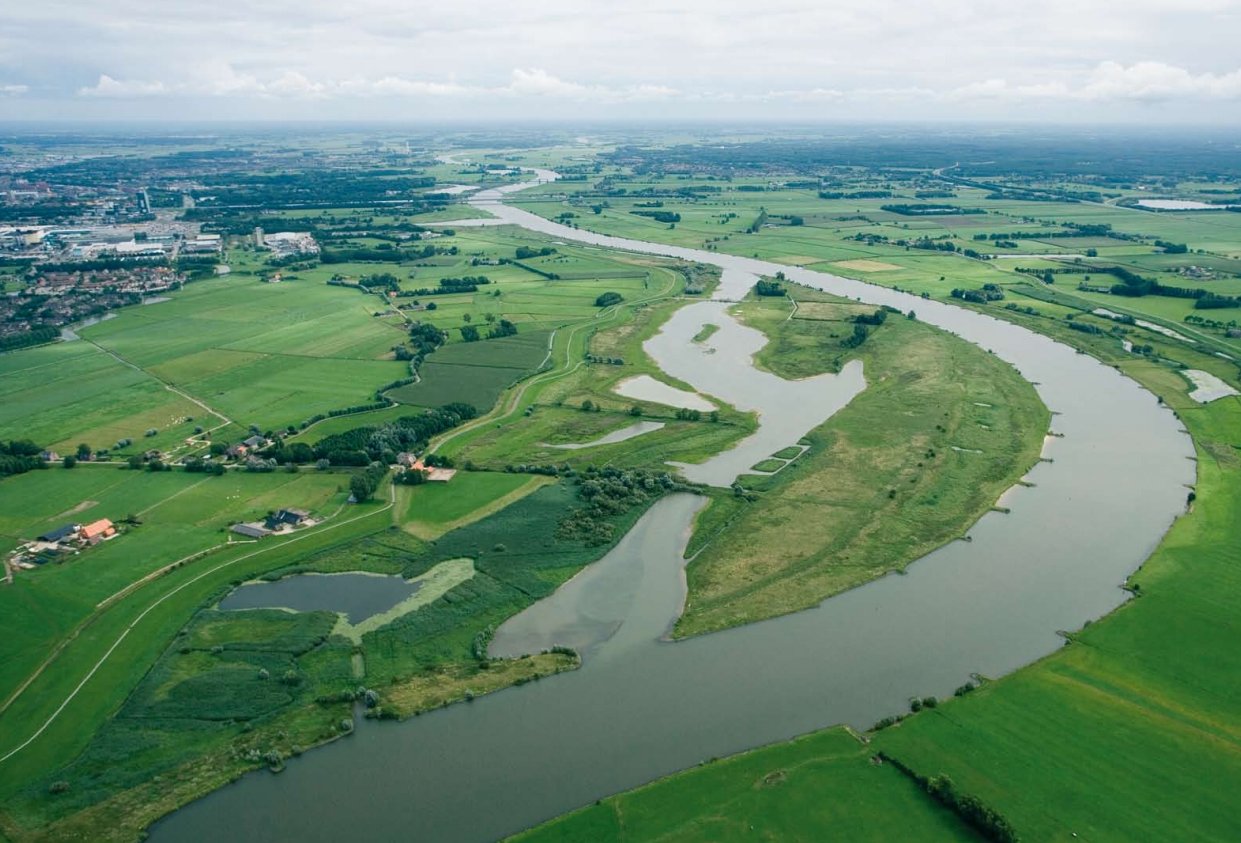
In a significant move to restore the river’s natural state, a reconfiguration project was undertaken. This initiative aims to ‘re-wiggle’ the river back to a more sinuous path. Such interventions have been made in response to the increasing awareness of the importance of natural waterways in promoting biodiversity.

Funding for this project has been allocated from both government and private sectors, recognising the environmental benefits of restoring the river’s meandering course. The restoration process includes creating shallow areas, meanders, and pools that are conducive to wildlife habitation. Experts believe that these changes will facilitate improved habitats for fish and other aquatic organisms.

The restoration work commenced recently and includes the removal of obstacles that have impeded water flow. This is expected to not only support aquatic life but also encourage the resurgence of bird and terrestrial species in the area. Environmental groups have expressed optimism about the potential for increased biodiversity as a result of these efforts.

Impact on Local Wildlife and Ecosystem

The reconfiguration of the river is anticipated to have a profound effect on local wildlife. Species that had previously vanished due to the straightened river are expected to return as natural habitats are re-established. Areas that were once inhospitable for various animals may once again become thriving ecosystems.

Ecologists have highlighted the value of healthy waterways in sustaining diverse species. The improvement of the river’s natural flow is likely to create a more dynamic environment, supporting not only aquatic life but also terrestrial wildlife that rely on the ecosystem services provided by a varied landscape.

Ongoing monitoring will be essential to assess the effectiveness of the restoration efforts. Research initiatives are anticipated to track the return of wildlife and the overall health of the ecosystem in the coming years. The project reflects a growing trend towards restoring natural habitats as part of a holistic approach to conservation.

This undertaking could serve as a model for future restoration projects across the region. As communities engage with their environments, the lessons learned could inform similar efforts elsewhere, fostering a broader commitment to ecological rejuvenation and sustainable land use.

Long or Short, get news the way you like. No ads. No redirections. Download Newspin and Stay Alert, The CSR Journal Mobile app, for fast, crisp, clean updates!

App Store –  https://apps.apple.com/in/app/newspin/id6746449540 

Google Play Store – https://play.google.com/store/apps/details?id=com.inventifweb.newspin&pcampaignid=web_share

Latest News

Popular Videos
