


Planning a Summer Trip? Avoid These 5 Overcrowded Hill Stations in India
The CSR Journal Magazine

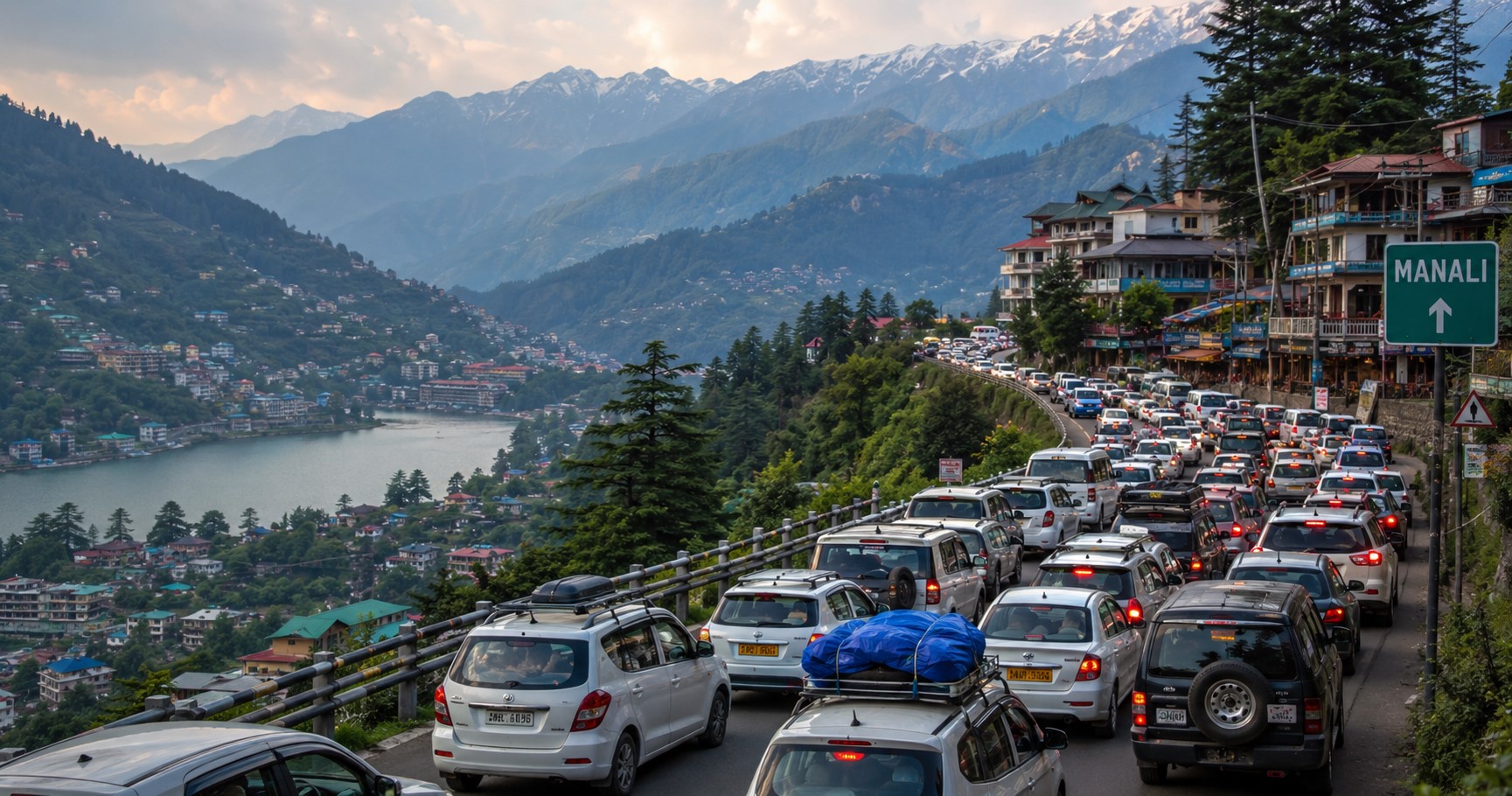
The situation in Manali highlights the challenges posed by an influx of tourists, particularly during the summer months. Recent social media footage showcased a traffic jam reportedly stretching 10 kilometres, compelling many to question whether their vacation was indeed enjoyable or more of a burden. This is not an isolated incident, as visitors have faced significant delays in the past, often stranded for hours due to heavy traffic.

Earlier this year, a severe traffic build-up, exacerbated by snow tourism, left many travellers immobilised for extended periods. Some individuals resorted to abandoning their vehicles and navigating on foot with luggage due to the extreme conditions. The growing popularity of Manali among diverse groups, including honeymooners and adventure seekers, has contributed to the problem, making it increasingly difficult for local infrastructure to accommodate the surge.

Sustained Convergence in Shimla

Shimla has become a prime destination for tourists across India, with reports indicating that around 70,000 vehicles entered the town within a mere 72 hours. In total, over 6.3 lakh vehicles were recorded within the month, raising significant concerns about traffic congestion. The colonial design of the town’s roads, which were not intended for the present volume of cars, only adds to the challenging situation.

The narrow roads and limited parking spaces in Shimla, coupled with a surge in demand during long weekends, have led to severe slowdowns, particularly on the Dhalli-Kufri road. Tourists seeking a respite from the heat often find themselves trapped in bumper-to-bumper traffic, contradicting their intent to enjoy a relaxing getaway.

It is ironic that the quest for peace and tranquility has resulted in individuals spending excessive time in their vehicles amidst exhausting traffic jams, effectively counteracting the purpose of their escape.

Challenges Faced by Darjeeling

Darjeeling maintains its picturesque allure, drawing tourists from across the nation; however, the peak season reveals underlying difficulties in managing visitor inflow. In recent weeks, the town has experienced not only severe traffic congestion but also water shortages, raising alarms among local residents and authorities alike.

Travel times between New Jalpaiguri station and Darjeeling have reportedly extended significantly, making what used to be a manageable journey increasingly daunting. The town’s infrastructure is under considerable strain, with narrow roads and concentrated tourist activity around popular destinations resulting in delays and bottlenecks.

Public transport services have also started to feel the pressure, with the Darjeeling Himalayan Railway suggesting alternatives for students affected by the traffic situation. Despite these inconveniences, the influx of tourists shows no signs of abating.

Mussoorie’s Accessibility Issues

Mussoorie’s appeal largely stems from its proximity to the Delhi-NCR region, making it a popular choice for quick getaways. However, the convenience has led to a significant increase in the number of vehicles, particularly during weekends and holidays. Reports suggest that as many as 6,000 to 7,000 tourist vehicles can enter Mussoorie on peak days, overwhelming both the roads and parking facilities.

The extended travel times have become a common frustration for visitors, with journeys from Dehradun lengthening considerably. Users on social media have voiced their concerns, indicating that attempts to explore the area often result in lengthy waits in traffic.

While Mussoorie retains its charm, the experience of tranquility greatly depends on the timing of one’s visit, making it less predictable than in previous years.

Nainital’s Traffic Management Crisis

Nainital presents its own set of challenges, primarily due to its geographical layout. The roads converge around the lake, making it prone to congestion during the tourist season. With the influx of visitors, traffic management has become a pressing issue for local authorities, prompting discussions about sustainable solutions.

Reports indicate that thousands of vehicles attempt to enter the town during peak periods, despite the limited parking and road capacity. The situation has led to complaints from residents regarding pollution and traffic jams that dampen the overall visitor experience.

Given the struggles faced during the summer rush, many now consider re-evaluating their travel plans to ensure a more pleasant experience amidst the natural beauty of these hill stations.

Long or Short, get news the way you like. No ads. No redirections. Download Newspin and Stay Alert, The CSR Journal Mobile app, for fast, crisp, clean updates!

App Store –  https://apps.apple.com/in/app/newspin/id6746449540 

Google Play Store – https://play.google.com/store/apps/details?id=com.inventifweb.newspin&pcampaignid=web_share

Latest News

Popular Videos
