


Sheikh Hasina Vows Bangladesh Return by December Despite Death Threats, Legal Battles
The CSR Journal Magazine

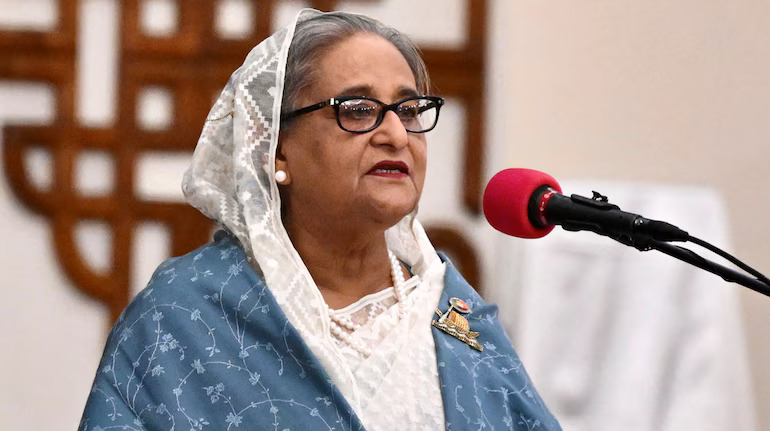
Former Prime Minister Sheikh Hasina has announced her intention to return to Bangladesh by December, despite expressing fears for her life. In her communication with AFP, the 78-year-old politician acknowledged the potential dangers she may face upon her return, stating, “I may be killed. I may be arrested. I may be sent to prison.” Nevertheless, she affirmed her resolve, citing a strong connection to her supporters as her motivating factor.

Hasina’s comments follow her removal from power in August 2024, a transition catalysed by a student-led uprising that concluded her 15-year tenure. Reports indicate that she fled the country via helicopter to India as protesters overwhelmed her palace. The United Nations has reportedly documented approximately 1,400 deaths during the crackdowns that occurred in the wake of her ouster. In November 2024, a Dhaka court found her guilty of crimes against humanity, imposing a death sentence, which she described as politically motivated.

Currently residing in a clandestine location in India, Hasina emphasised that her decision to return was self-motivated and not influenced by pressure or discussions of extradition by Indian authorities, who are considering a formal request from the Bangladeshi government for her return. “I can say that I am staying in India with due respect and dignity,” Hasina added, clarifying her stance on the matter.

Legal and Political Landscape

The government of Bangladesh has pledged to ensure that Hasina receives a fair legal process if she returns. The former leader’s tenure has faced ongoing scrutiny, with human rights organisations alleging numerous abuses during her administration, including oppression of political opponents and manipulated electoral processes. Hasina, however, refuted these claims, asserting that investigations were conducted whenever allegations surfaced.

On July 25, 2026, Human Rights Watch highlighted ongoing concerns regarding the legal standards in Bangladesh, emphasising that protections for victims have not been adequately upheld. The organisation’s deputy Asia director, Meenakshi Ganguly, pointed out that accountability for past government abuses has not met international fair trial norms.

In response to accusations of excessive force employed during the student protests, Hasina maintained that her administration attempted to manage the situation with composure and fairness. She characterised the protests as being orchestrated rather than spontaneous, alleging underlying motives to destabilise her government.

Future Considerations and Public Sentiment

When questioned about her potential political engagements upon her return, particularly given the effectively banned status of her Awami League party, Hasina did not directly confirm or deny any plans. “Power is not my destination. Service to the people is,” she stated, alluding to her ongoing commitment to her supporters.

Although Hasina conveyed sympathy towards families who lost loved ones during the violence, she refrained from providing specific apologies for her actions during her tenure. She expressed that governmental decisions are made collectively, arguing that isolating her actions from the broader context of the crisis would not yield a just assessment.

Her remarks notably avoided any commentary on similar youth-led protests occurring in India, reflecting her focus on her own political scenarios. As Sheikh Hasina prepares for a potential return, the complexities of her political legacy and the legal challenges she faces remain prominent in the public and international discourse.

Long or Short, get news the way you like. No ads. No redirections. Download Newspin and Stay Alert, The CSR Journal Mobile app, for fast, crisp, clean updates!

App Store –  https://apps.apple.com/in/app/newspin/id6746449540 

Google Play Store – https://play.google.com/store/apps/details?id=com.inventifweb.newspin&pcampaignid=web_share

Latest News

Popular Videos
