


app-store-logo
play-store-logo
February 11, 2026

Niti Aayog Proposes Diesel Vehicle Phase Out And EV Push for Net Zero Transport
The CSR Journal Magazine

Niti Aayog has released a detailed roadmap for transforming India’s transport sector as part of the nation’s long-term net zero plans. The proposal advocates for phasing out diesel vehicles, tightening Corporate Average Fuel Efficiency norms and promoting cleaner technologies including electric vehicles and biofuel blends to cut emissions and align the transport sector with India’s 2070 net zero target. The report was published on Tuesday as part of a broader integrated plan for sustainable growth and climate transition.

The roadmap, titled Scenarios Towards Viksit Bharat and Net Zero, outlines a phased approach that begins with eliminating polluting vehicles and moves towards greater adoption of electric mobility and sustainably sourced fuels. India’s heavy reliance on petrol and diesel, which together make up more than 80 per cent of road transport energy use, underscores the scale of the shift required.

Phased Transition Begins With Diesel Exit And Clean Alternatives

In its first phase, the report suggests beginning the transition by phasing out diesel vehicles on Indian roads and prioritising lower emission technologies such as compressed natural gas (CNG), hybrids and electric vehicles. This step is intended to reduce immediate pollution impacts while creating space for newer mobility options. In subsequent phases, the focus would expand to include greater use of biofuels facilitated by flex fuel vehicles and increased blending of Bio-CNG, working in tandem with rising electric vehicle adoption.

The transition strategy also includes incentivising lighter and more fuel-efficient entry-level cars under the Corporate Average Fuel Efficiency framework. According to experts, promoting such vehicles can improve overall fuel economy and lower emissions, helping India meet more stringent fuel efficiency targets while making greener vehicles more affordable for first-time buyers.

Final Goal Is Zero Emission Vehicles

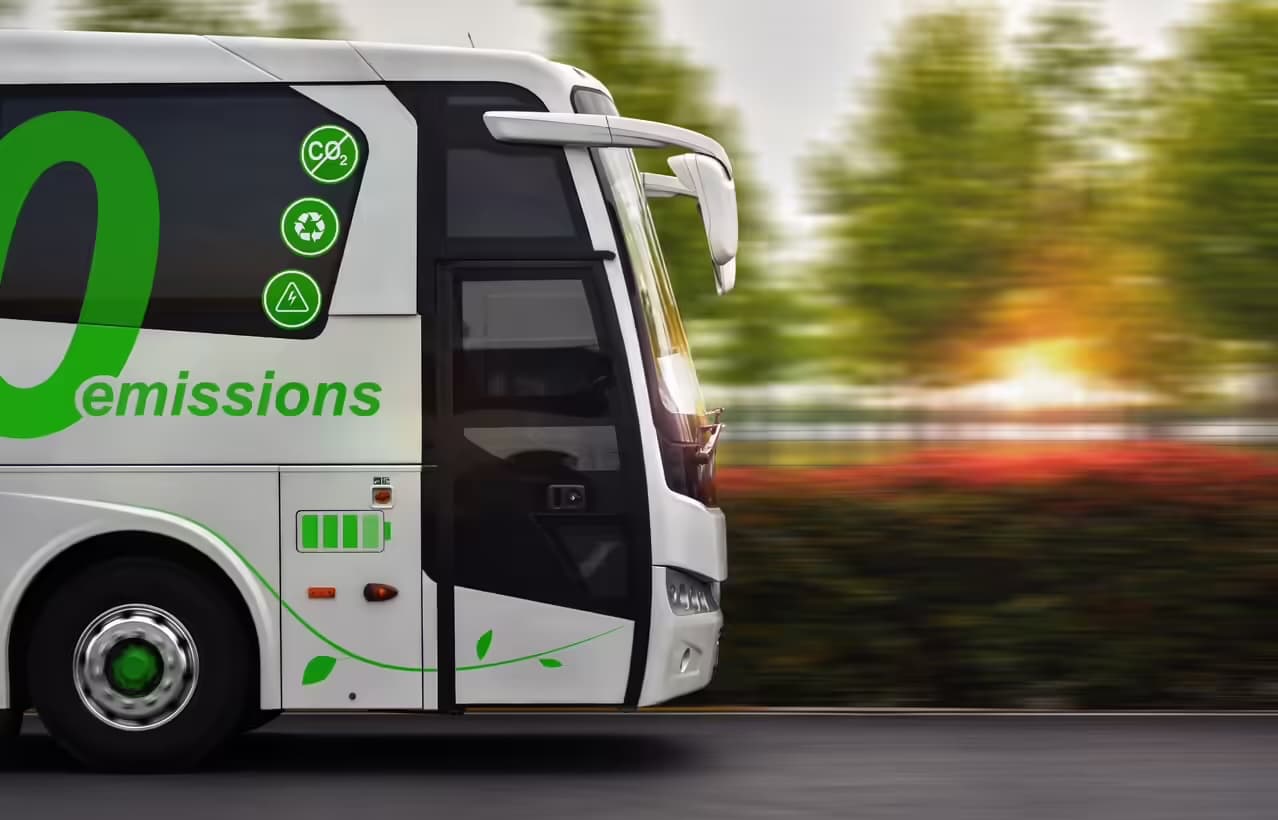
The roadmap’s ultimate objective is a full shift to zero emission vehicles as the core of India’s long-term transport system. The plan reflects projections that India’s electric vehicle adoption will have to accelerate sharply to support emissions reduction goals. A separate analysis by Niti Aayog suggests that electric vehicles accounted for nearly 6 per cent of all registrations in 2025 and that a shift in policy could see this share rise substantially in the coming decades.

Achieving this transformation will require not only higher EV penetration but also supportive policies such as charging infrastructure expansion, incentives for clean fuel technologies and tighter regulation on fuel efficiency. The transport sector, which accounts for a significant portion of India’s carbon emissions, will have to reduce dependency on fossil fuels to align with net zero targets.

Broader Net Zero And Financing Context

The transport roadmap is part of a larger set of proposals released by Niti Aayog that also include energy, power and industrial sectors. These integrated plans estimate that India will need significant investments across multiple sectors to reach its net zero goals by 2070, with transport forming a key piece of the broader transition. As recently noted, India’s overall net zero pathway may require more than $22 trillion in cumulative investments, while coal consumption could remain high until mid-century unless accelerated decarbonisation measures are adopted.

Despite challenges such as high upfront costs for zero emission technologies and the need for robust charging networks, the roadmap provides a staged policy framework designed to balance economic growth, environmental sustainability and energy security. In addition to cleaner vehicle technology, policies emphasise the role of sustainable biofuels and improved fuel efficiency standards in shaping India’s low-carbon future.

As India continues to develop its climate action strategies, the transport sector’s evolution will be critical to meeting national and global climate goals, while also improving air quality and reducing dependence on imported fossil fuels.

Long or Short, get news the way you like. No ads. No redirections. Download Newspin and Stay Alert, The CSR Journal Mobile app, for fast, crisp, clean updates!

App Store –  https://apps.apple.com/in/app/newspin/id6746449540 

Google Play Store – https://play.google.com/store/apps/details?id=com.inventifweb.newspin&pcampaignid=web_share

Latest News

Popular Videos
