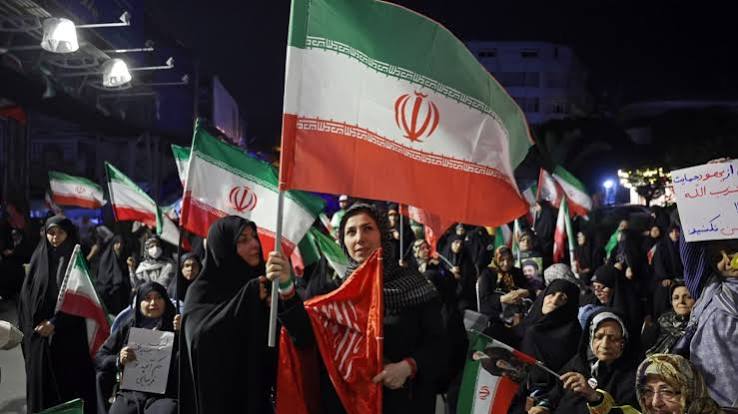
Iran’s political landscape has shifted significantly six months into the ongoing war, with the leadership becoming increasingly concentrated around hard-line military figures and clerics. This new alignment indicates a readiness for a long-term confrontation with the United States, as well as a focus on quelling domestic dissent. Such consolidation contrasts sharply with US President Donald Trump’s earlier aspirations to destabilise the Iranian regime.
The current Iranian leadership reportedly lacks confidence in negotiating any deals with the Trump administration, particularly following previous military actions taken against Iran during periods of supposed diplomacy. Observers suggest that Iran may be preparing for further military actions once the US completes its replenishment of military supplies.
Amidst these tensions, Iranian officials have voiced concerns about the impact of American sanctions, warning that the economic strife imposed by the ongoing blockade could provoke a more expansive military response from Iran.
Key Appointments Reflect Hard-Line Stance
One of the most notable developments was the recent appointment of Mohsen Rezaei as secretary of Iran’s Supreme National Security Council. In a statement, he threatened significant retaliation against the US, indicating that if the current economic warfare continues, Iran would cease all oil exports from the Persian Gulf.
Rezaei’s appointment, along with others announced by Supreme Leader Ayatollah Mojtaba Khamenei, marks a strategic shift in the senior leadership of the country. Following attacks that resulted in the deaths of many top officials on February 28, including Khamenei’s father, the consolidation of power among long-time allies seems aimed at enhancing internal cohesion within Iran’s leadership.
Among the new appointments, Hossein Taeb, known for his hard-line views, has returned as head of the Basij, a paramilitary group that played a crucial role in suppressing protests earlier this year. This return signals an intention to maintain strict control over potential civil unrest as dissatisfaction with the economy grows among the populace.
Internal Divisions Persists Regarding Future Strategy
<h4Iran’s recent history of short-lived ceasefires highlights the precarious situation. Following a ceasefire in June that quickly collapsed, the Iranian government has continued to demand the release of frozen assets connected to the agreement. This complex backdrop fuels ongoing discussions among political figures within Iran.