


Nepal Flash Floods Result In 626 Deaths; Over 2,400 Persons Missing
The CSR Journal Magazine

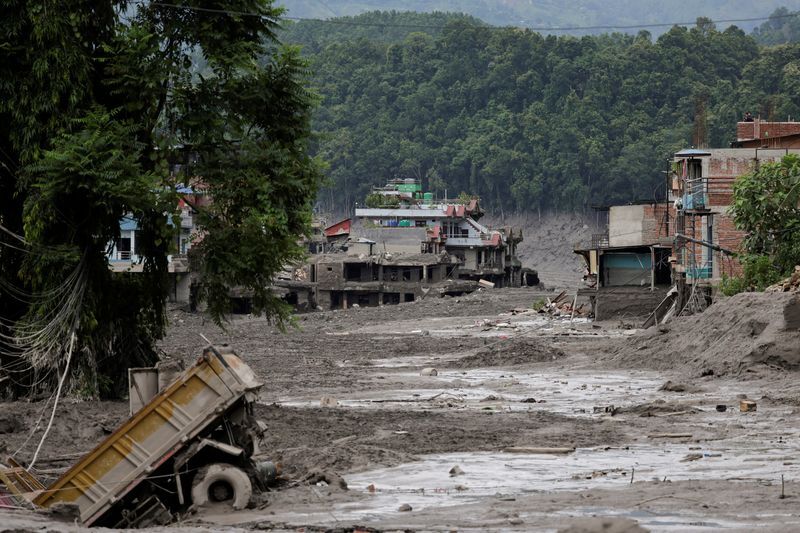
The recent flash floods in Nepal have led to a significant increase in the death toll, which now stands at 626. Rescue teams are actively engaged in search and relief operations as they continue to locate over 2,400 individuals reported missing. This natural disaster, triggered by an ice-rock avalanche following a glacial collapse near the Nepal-Tibet border, has left numerous towns and villages severely affected.

Authorities revealed that close to 2,500 individuals have been evacuated from flood-affected regions, while hospitals are inundated with casualties. Families are waiting anxiously for updates regarding their missing relatives, highlighting the emotional toll of this tragedy.

Impact on Infrastructure and Communities

The flash floods have wreaked havoc, destroying homes, vehicles, roads, and bridges, thereby disrupting daily life. Not only has the infrastructure been compromised, but hydropower projects have also sustained substantial damage. These events are exacerbated by fears of additional flooding as water levels in local rivers continue to rise.

The National Disaster Risk Reduction and Management Authority (NDRRMA) has reported that water levels have increased at the site of the initial flood, which raises concerns over potential further flooding in the vicinity. A warning was disseminated to inform the public of these elevated risks.

More than 11,000 security personnel, including over 5,000 members of the Nepal Army, have been deployed to assist in the ongoing search and rescue efforts. Additionally, an 11-member medical and rescue team from India has arrived in Nepal to aid local authorities in their response efforts.

Evacuations and Medical Assistance

Emergency health centres located in Dhunche and Trishuli have provided treatment to 1,706 individuals rescued from the flood-hit areas, ensuring necessary medical attention for those affected. The pilots airlifted majority of evacuees—2,265 in total— by helicopters, while they transported 200 persons via land routes.

A positive development has emerged with the reopening of the Mugling-Kathmandu highway, a vital route connecting the capital to other regions of the country. The highway had been closed since Wednesday due to the risk of flooding and landslides, exacerbating travel difficulties for those trying to reach safer areas.

Continued Efforts Despite Challenges

As the death toll continues to rise, rescue and recovery operations are progressing across central Nepal, with thousands of families anxiously awaiting news about their loved ones. Authorities remain vigilant, monitoring the situation closely as they alert citizens about the possibility of further flooding in the region.

National highways and various major road sections in central Nepal have experienced prolonged obstructions due to flood and landslide hazards, complicating the logistics of rescue and relief efforts.

In summary, the disaster has created an urgent humanitarian situation in Nepal, with ongoing rescue operations and rising health needs for those displaced or injured. The potential for more flooding continues to pose a significant risk in the aftermath of this catastrophic event.

Long or Short, get news the way you like. No ads. No redirections. Download Newspin and Stay Alert, The CSR Journal Mobile app, for fast, crisp, clean updates!

App Store –  https://apps.apple.com/in/app/newspin/id6746449540 

Google Play Store – https://play.google.com/store/apps/details?id=com.inventifweb.newspin&pcampaignid=web_share

Latest News

Popular Videos
