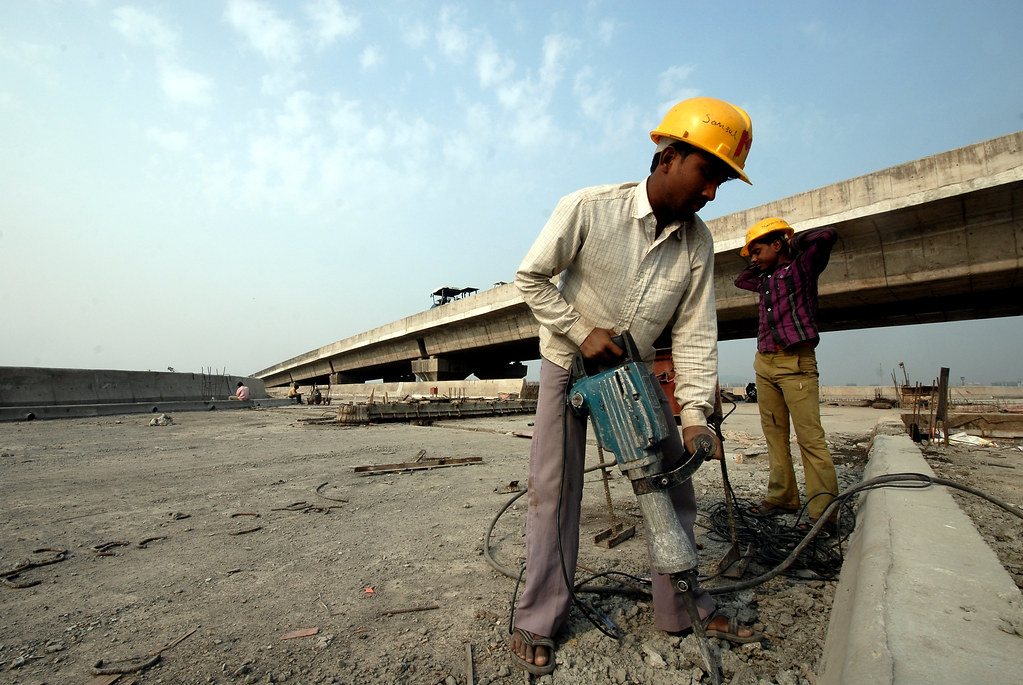
The National Highways Authority of India (NHAI) has recently announced guidelines aimed at safeguarding construction workers from extreme heat conditions. The initiative is part of a broader effort to improve the working environment, particularly during the summer months when temperatures often exceed safe limits. The guidelines were introduced in response to rising health concerns associated with heat stress and dehydration among labourers engaged in road construction and maintenance.
Emphasis on Worker Health and Safety
The guidelines highlight the importance of monitoring temperature levels at construction sites. NHAI has urged contractors to implement measures that mitigate the risks of heat exposure. This includes the provision of adequate hydration options, such as clean drinking water and electrolyte-replenishing drinks, to workers on-site. Proper rest intervals during peak heat hours have also been emphasised.
<h4Moreover, the guidelins recommend conducting health assessments for workers susceptible to heat-related illnesses. These health checks are designed to identify at-risk individuals who may require additional protection during hot weather. Personal protective equipment (PPE) will include light-weight clothing that allows for ventilation, thereby helping in maintaining body temperature.
Training sessions for both contractors and workers have been suggested, aimed at increasing awareness about the symptoms of heat exhaustion and heatstroke. Knowledge dissemination on how to recognise these conditions can aid in providing timely medical attention when necessary. The NHAI believes that educating labourers about the dangers associated with working in high temperatures will enhance their overall safety.
Implementation and Monitoring Strategies
The NHAI has outlined specific measures for the effective implementation of these guidelines. Regular inspections of construction sites will be conducted to ensure compliance with the new protocols. Contractors are required to submit weekly reports detailing the measures they have adopted to protect their workforce from heat-related ailments. This systematic assessment will help NHAI in identifying any gaps that need to be addressed.
A comprehensive database will also be maintained to track incidents of heat stress amongst workers. Such data collection will aid in regulatory adjustments and the formulation of future health and safety policies. The NHAI asserts that monitoring conditions will be crucial in preventing potential health crises stemming from excessive heat exposure.
Additionally, the guidelines incorporate the involvement of health professionals who can provide expertise in establishing a safer work environment. Collaborations with local health departments may also be sought to enhance on-site medical support, ensuring that workers receive immediate care if they exhibit symptoms of heat stress.
Long-Term Perspective on Worker Welfare
Recognising the long-term implications of heat exposure, the NHAI is committed to enhancing the overall well-being of workers in the construction sector. This initiative aligns with broader national health policies aimed at improving occupational safety standards. By prioritising worker health, NHAI seeks to create a sustainable working atmosphere that fosters productivity and reduces the risk of workplace injuries.
Stakeholder engagement is a vital component of these new guidelines. The NHAI intends to collaborate closely with contractors, labour unions, and non-governmental organisations to ensure that the guidelines are understood and effectively implemented across all levels. Such cooperation is essential for cultivating a culture of safety and care among all parties involved in construction activities.
In conclusion, the NHAI’s newly issued guidelines represent a significant step forward in protecting workers from the perils of extreme heat. By focusing on proactive measures and health education, the organisation aims to ensure that the workforce remains safe and healthy while contributing to vital infrastructure projects across the country.
Long or Short, get news the way you like. No ads. No redirections. Download Newspin and Stay Alert, The CSR Journal Mobile app, for fast, crisp, clean updates!