


Nepal Lifts Restrictions on Indian Rs 200 and Rs 500 Notes for Travellers
The CSR Journal Magazine

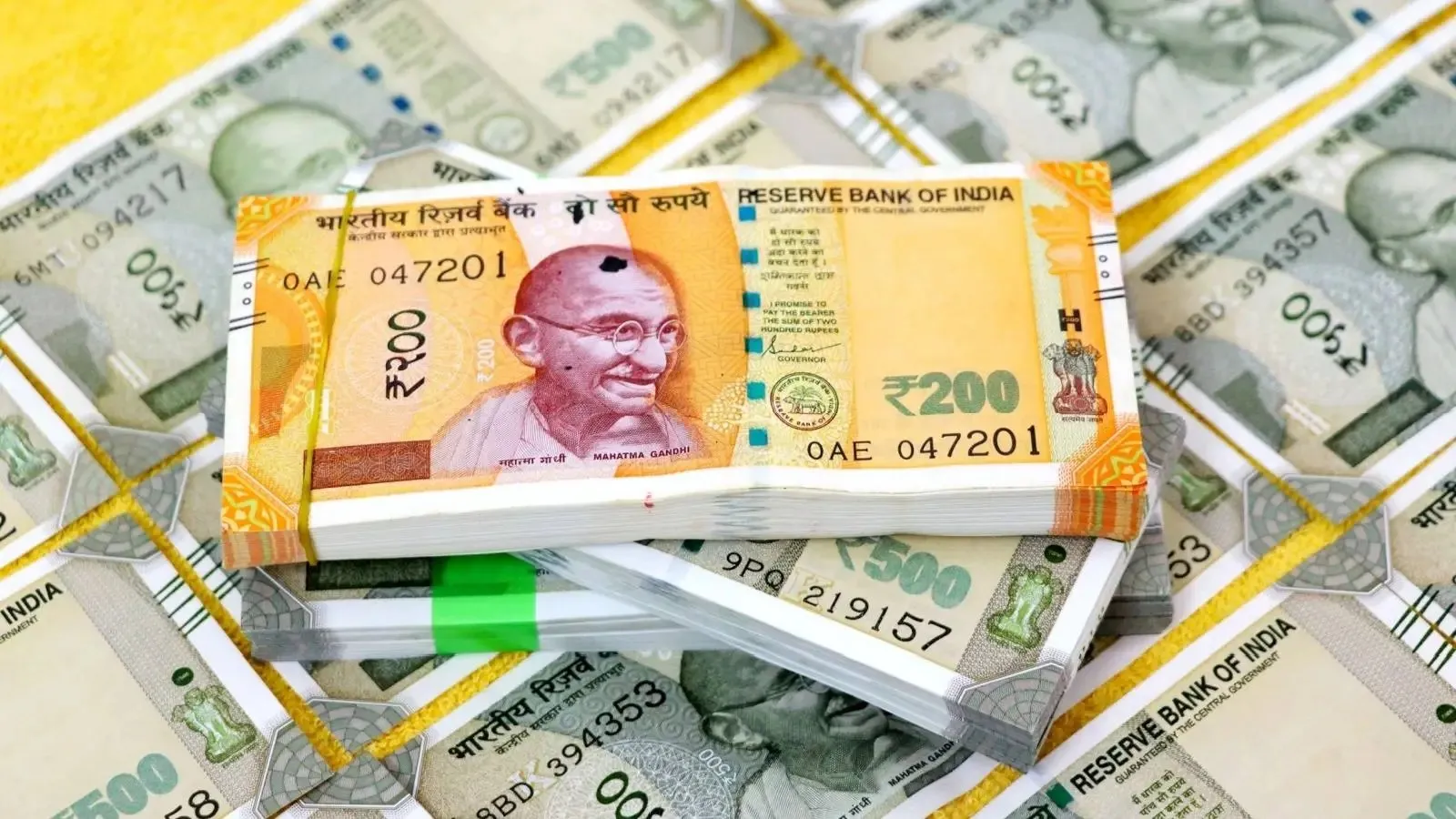
Nepal has revised its regulations allowing both Indian and Nepali nationals to carry Indian currency notes of Rs 200 and Rs 500 into and out of the country. This adjustment ends a previous restriction that limited travellers to carrying notes of Rs 100 and lower following India’s demonetisation policy in 2016. The updated provision maintains an existing limit of Rs 25,000 per person, thereby facilitating easier financial transactions for those traversing the border.

The Nepal Rastra Bank (NRB) issued this revised regulation in a notice that was disseminated on Thursday. The announcement aligns with existing regulations permitting the transportation of Indian currency notes of Rs 200 and Rs 500 issued after November 9, 2016. This alteration is significant as it has been reported that earlier guidelines were first communicated via a public notice on February 11.

NRB spokesperson Guru Prasad Paudel provided further clarification on Saturday, emphasising that Nepali nationals are restricted from bringing Indian currency into Nepal from nations other than India. Additionally, he stated that these nationals cannot transport Indian currency from Nepal to any third country apart from India. These changes are designed to assist Indian tourists in Nepal and to facilitate Nepali nationals engaged in trade and economic activities with India.

Customs Regulations for Foreign Currency

The regulations also stipulate that Nepalese nationals and international visitors may bring up to $5,000 or its equivalent in other foreign currencies into Nepal without needing a customs declaration. Should the amount exceed this cap, customs officials must be notified upon arrival. Paudel mentioned that travellers could bring in Indian currency equivalent to $5,000, which is approximately Rs 4.83 lakh, without a customs declaration, provided the denominations do not include notes greater than Rs 100.

Any amounts that surpass the $5,000 threshold require a customs declaration. The customs regulations aim to ensure transparency in financial transactions, protecting the integrity of Nepal’s economy.

Before this latest revision, Nepal imposed a ban on Indian currency notes larger than Rs 100 following India’s demonetisation initiative on November 8, 2016. This policy change saw India introduce redesigned Rs 500 notes and new Rs 2,000 notes, which have since been withdrawn from circulation. Although the Rs 25,000 limit for carrying Indian currency remained in effect, the practice of restriction effectively limited travellers to lower denominations.

Impact on Cross-Border Transactions

Under the newly revised regulations, Indian and Nepali nationals can now transport the redesigned Rs 500 and Rs 200 notes issued post-November 9, 2016, while adhering to the pre-existing Rs 25,000 limit. However, Indian currency notes of Rs 500 and Rs 1,000 that were released prior to that date continue to be prohibited in Nepal.

This policy change has been well-received as it aims to ease travel procedures and bolster cross-border trade and commerce between India and Nepal. It is anticipated that increased flexibility with Indian currency will encourage further tourism and economic partnership between the neighbouring countries.

As regional economies interconnect, regulatory adjustments such as these are crucial in ensuring smooth travel and commerce. The NRB’s recent announcement marks a significant step in enhancing the financial relationship between Nepal and India.

Long or Short, get news the way you like. No ads. No redirections. Download Newspin and Stay Alert, The CSR Journal Mobile app, for fast, crisp, clean updates!

App Store –  https://apps.apple.com/in/app/newspin/id6746449540 

Google Play Store – https://play.google.com/store/apps/details?id=com.inventifweb.newspin&pcampaignid=web_share

Latest News

Popular Videos
