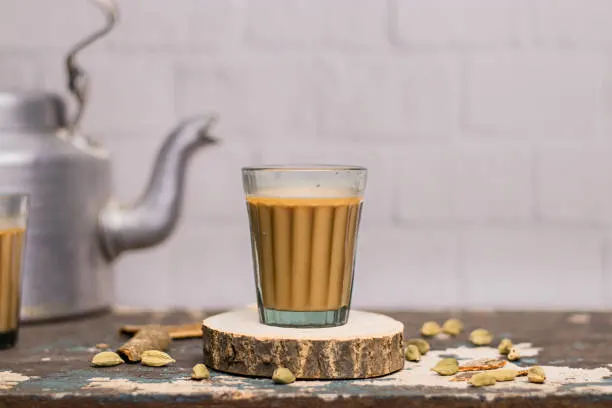
Masala Chai Declared World’s Best Tea

The CSR Journal Magazine

Masala chai has been officially recognised as the world’s best tea in the latest edition of the food guide TasteAtlas, confirming its esteemed status among tea enthusiasts. The guide’s May edition features a list of the ‘Top 100 Teas in the World’, showcasing the rich diversity of tea culture across India, where tea is more than just a drink; it is an integral part of social and cultural life.

In addition to masala chai, several other Indian varieties have successfully secured top spots on the prestigious list. The rankings include Darjeeling tea at sixth place, Assam chai at thirteenth, Sulaimani chai from Kerala at thirty-ninth, Kangra tea from Himachal Pradesh at forty-first, and Jammu and Kashmir’s Noon chai at forty-third. This assortment highlights the various flavours, aromas, and cultural significance of India’s tea offerings.

Global Competition in Tea Rankings

While Indian teas have gained notable recognition, the competition on the global stage also features exceptional international varieties. Hojicha, a Japanese roasted green tea, holds the second position, followed closely by Ceylon black tea from Sri Lanka, known for its bold character. Additionally, Japan’s Sencha and China’s Pu erh rank fourth and fifth, respectively, illustrating the eclectic preferences of tea drinkers worldwide.

The TasteAtlas list not only honours the flavourful brews but also highlights iconic tea brands and estates globally. Indian tea estates from East and Northeast India have been acknowledged for their rich heritage and quality, reflecting the country’s deep-rooted tea traditions.

One prominent example is Makaibari Tea, located in Kurseong, West Bengal. Established in 1859, Makaibari is often regarded as one of the oldest tea factories in the world, renowned for its commitment to sustainable practices. Another esteemed representative is Halmari Tea from Dibrugarh, Assam, celebrated for producing robust Assam teas that have garnered international acclaim over its long history.

Tea as a Central Element of Social Life

In India, tea is more than just a beverage; it is a vital component of social interactions, often referred to as ‘chai pe charcha,’ a phrase that embodies conversations over tea. The beverage plays a key role in shaping daily routines and social gatherings, making it a significant part of Indian life. From bustling roadside stalls to upscale tea houses, the presence of tea is ubiquitous across the nation.

Moreover, the tea industry contributes significantly to India’s economy and cultural identity. It employs millions and supports various communities across the country, underlining the beverage’s importance not just for its flavour but also for its socioeconomic impact. Even among those who may not regularly partake in tea, the discussions surrounding it are prevalent, showcasing its influence in everyday life.

Ultimately, the recognition of masala chai and other Indian teas in the global arena serves as an affirmation of India’s rich tea heritage. It highlights the variety and exceptional quality found within the country’s tea culture, solidifying its status as a key player in the global tea market.

Long or Short, get news the way you like. No ads. No redirections. Download Newspin and Stay Alert, The CSR Journal Mobile app, for fast, crisp, clean updates!

App Store –  https://apps.apple.com/in/app/newspin/id6746449540 

Google Play Store – https://play.google.com/store/apps/details?id=com.inventifweb.newspin&pcampaignid=web_share

Latest News

Popular Videos