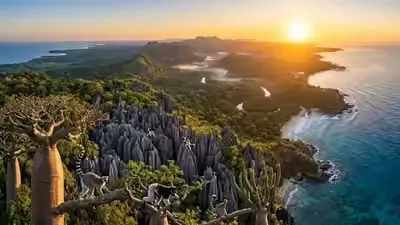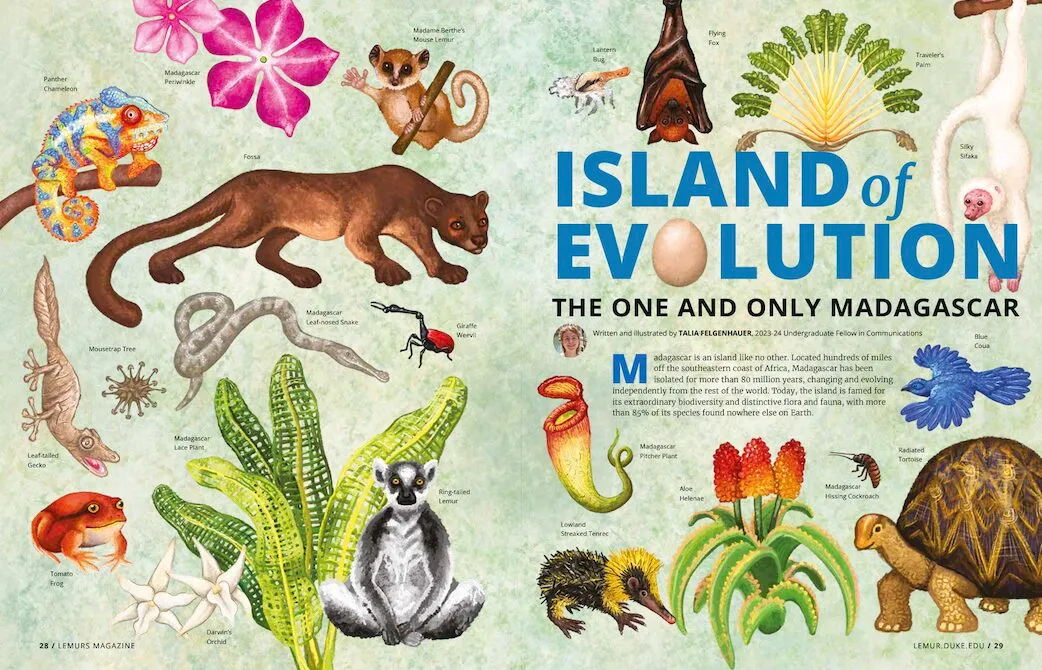

Madagascar, which has remained isolated for around 180 million years, is renowned for its extraordinary biodiversity. This long period of seclusion allowed various species to evolve independently from those found on the mainland of Africa and elsewhere. The island’s unique ecosystem is a result of both its geological history and climatic factors that have influenced the development of its flora and fauna.
The island is home to an incredible range of species, many of which are endemic, meaning they cannot be found anywhere else in the world. Research indicates that over 90 per cent of the wildlife on Madagascar is native to the island, a reflection of its long-standing isolation. This has made Madagascar a focal point for conservation efforts and biological studies, as scientists seek to understand how such diverse life forms adapted to the island’s various environments.
The geological formation of Madagascar contributed to its unique evolutionary path. The splitting of the supercontinent Gondwana led to the island’s detachment from Africa, allowing diverse life forms to evolve in isolation. As a result, Madagascar features ecosystems ranging from rainforests to arid desert landscapes, each supporting distinct groups of organisms that have adapted to their specific habitats.
Threats to Unique Ecosystems
Despite its rich biodiversity, Madagascar faces significant threats from human activity. Deforestation, driven mainly by logging and agricultural expansion, poses a substantial risk to many endemic species. It is estimated that over 80 per cent of the island’s original forest cover has been lost since the onset of extensive agricultural practices. This loss of habitat leads to declining populations of various species, particularly lemurs, which are among the most threatened in the region.
Additionally, climate change presents a growing concern for Madagascar’s ecosystems. Altered rainfall patterns and increasing temperatures can disrupt the delicate balance of these environments. The island’s recycling of nutrients and water availability may be affected, leading to further challenges for both flora and fauna. This transformation poses a threat to the survival of species that have evolved over millions of years.
Conservation initiatives have begun to take shape as awareness of these threats increases. Local communities, NGOs, and international organisations are collaborating on various projects aimed at preserving the island’s unique biodiversity. Efforts range from reforestation to the enforcement of laws protecting endangered species, showcasing a community-driven approach to maintaining Madagascar’s environmental heritage.