



Kedarnath Chaos – The Ugly Truth Of VIP Temple Culture

The CSR Journal Magazine

Once again, human frailty, administrative complacency, and a deeply ingrained culture of privilege have caused the sacred corridors of Kedarnath Temple, which are intended for devotion and spiritual contemplation, to descend into disorder.

Crushed Faith in the Face of Chaos

At its core, VIP culture in temples creates a hierarchy in what is supposed to be a space of equality. Special darshan passes, exclusive entry corridors, and expedited access for politicians, celebrities, and those willing to pay steep fees effectively turn faith into a tiered service.

At Kedarnath, where space is already severely constrained due to geography, carving out routes and time slots for VIPs doesn’t just inconvenience others—it actively disrupts crowd flow. Each VIP movement triggers security cordons, halts general queues, and compresses already dense crowds into tighter spaces. The result is predictable: frustration, bottlenecks, and rising risk of stampede-like conditions.

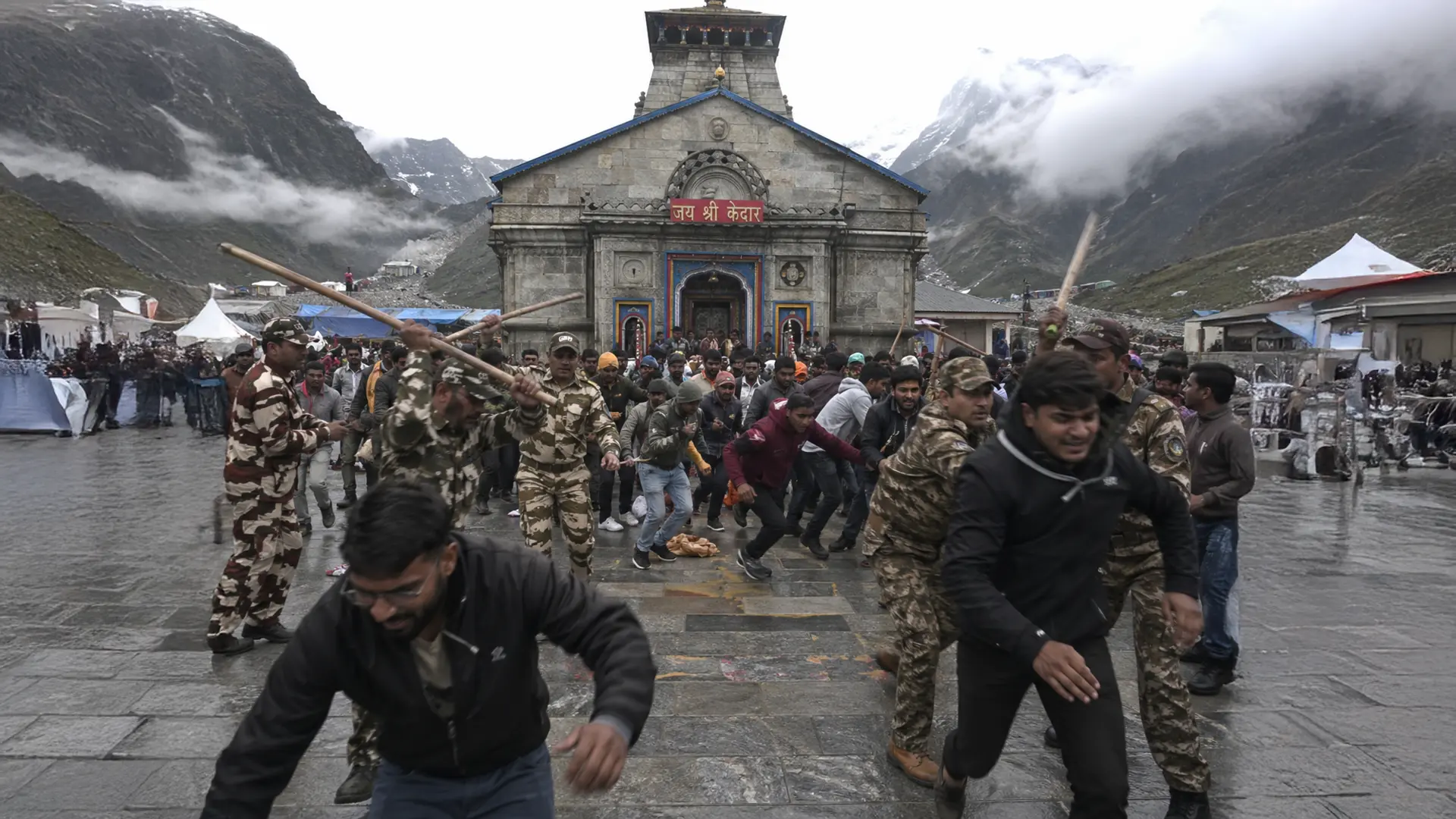
Thousands of devotees descended upon the temple grounds as the 2026 Char Dham Yatra got underway. Instead of a spiritual experience, what ensued were scenes of turmoil, with pilgrims rushing through crowds in despair, breaking lines, and climbing barricades.

There is almost little crowd control, according to reports and popular videos. Numerous devotees expressed dissatisfaction at lengthy delays, crowded conditions, and inadequate management; some even claimed misbehavior and a lack of basic amenities.

The situation was so distressing that one viral video showed a man warning others to “never come” after witnessing his family in tears amid the chaos.


View this post on Instagram


A post shared by The CSR Journal (@thecsrjournal)

VIP Culture: The Quiet Initiator

Although officials frequently point the finger at “unexpected crowds,” VIP temple culture is the true problem, which is much more systemic. Access to Kedarnath and other famous Indian sanctuaries is subtly segregated.

A two-tier system is created by exclusive lines, paid darshan, helicopter access, and special treatment for the powerful. One for those with money or power and another where common devotees are forced to fight in constricting lines.

This parallel system, which isn’t usually formally recognized, takes up administrative time and physical space, which lowers the general public’s already constrained crowd capacity. VIP movement has been shown to disrupt crowd flow and increase safety hazards in numerous studies of religious stampedes in India.

Pilgrimage to “Content Creation”

The conversion of places of worship into backgrounds for social media is another unsettling trend. “Reels culture,” according to critics, is transforming pilgrimage into a performance.

Enforcement of regulations, such as prohibiting cell phones on temple property, is still uneven.

The outcome? Devotees are more concerned with filming videos than upholding law and order, which is blocking roads and raising tensions.

A Catastrophe Awaiting

From the 2010 Pratapgarh stampede to the 2022 Vaishno Devi Temple tragedy, India has a long and deadly history of temple stampedes that are characterized by overpopulation, inadequate planning, and institutional incompetence.

The area where Kedarnath is located was already devastated by the 2013 Kedarnath floods, which claimed thousands of lives. However, crowd control still seems more reactive than preventive more than ten years later.

Even while there hasn’t been a stampede as a result of the recent commotion, the warning signs are there.

Failure of the System, Not Isolated Incident

“Heavy rush” has been identified by the authorities as the reason. However, that justification seems implausible. Every year, the Yatra takes place. The increase of people is expected.

What is unacceptable is the absence of systems  for controlling crowds in real time, strict adherence to queue discipline, clear policies that do away with preferential access

Rather, a well-known pattern appears, in which responsibility is dispersed and planning crumbles under duress.

The Price of Religious Inequality

Temples are supposed to be the ultimate equalizers, places where status vanishes in the face of divinity. However, this idea has been reversed by VIP culture. Faith stratified rather than united at Kedarnath.

Furthermore, India’s holy sites will continue to alternate between devotion and catastrophe unless this culture is destroyed.

The mayhem at Kedarnath is a symptom, not an exception. a sign of a system that puts money before respect, privilege over safety, and optics over order.

Until VIP culture is dismantled, every pilgrimage risks becoming a flashpoint where devotion collides with privilege—and where the cost is borne by those with the least power.

Every pilgrimage season will raise the same question—not whether anything will go wrong, but when—until VIP culture is addressed.

Latest News

Popular Videos