


Japan Increases Interest Rates to Highest Level in 31 Years Amid Inflation Concerns
The CSR Journal Magazine

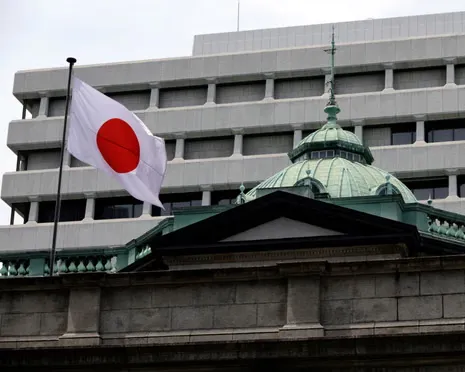
The Bank of Japan (BOJ) has raised interest rates to their highest level in over three decades, marking a significant shift from its prolonged policy of low rates. On Tuesday, the central bank raised the short-term policy rate to 1% from 0.75%, thereby elevating borrowing costs to their highest since 1995. This decision, made by a 7-1 vote, occurs against the backdrop of rising energy prices due to the ongoing conflict in West Asia.

Governor Kazuo Ueda was unable to participate in the vote as he is receiving treatment in hospital for an infected liver cyst. The BOJ stated that escalating crude oil prices have begun to permeate the economy, posing a risk of more widespread price increases across various sectors.

The bank noted, “The price pass-through stemming from rising crude oil prices has been progressing at a relatively fast pace in business-to-business transactions, which could spread to an increase in consumer prices across a wide range of items.”

Reasons Behind the Rate Increase

The decision to raise interest rates comes as Japan grapples with the complexities arising from international conflicts affecting energy prices. The recent peace agreement between the United States and Iran has mitigated some immediate fears of prolonged oil supply disruption; however, Japanese companies had already begun relaying higher energy costs to end consumers.

Reports indicate Japan’s wholesale inflation surged to a three-year high of 6.3% in May, highlighting a trend wherein businesses are passing increased costs onto their customers. Analysts project that core consumer inflation in Japan is likely to exceed the BOJ’s 2% target later this year, despite a temporary decline owing to government subsidies on utility bills.

The BOJ had maintained its interest rates during its April meeting while revising its inflation forecasts upward and cautioning that prices might escalate faster than previously anticipated. Consequently, markets had anticipated a rate hike in June, as outlined by a Reuters poll, which showed expectations for a further increase to 1.25% in the fourth quarter of 2026.

Market Reactions and Future Implications

Moreover, the BOJ revealed plans to pause its bond tapering programme from April 2027, committing to monthly purchases of approximately 2 trillion yen (around $12.5 billion) worth of Japanese government bonds. All eyes are now on Deputy Governor Shinichi Uchida, slated to address the media in place of Ueda, with expectations that he will adopt a cautious but hawkish stance without providing definitive timelines for future rate increases.

The BOJ’s decision comes during a pivotal week for global monetary authorities, coinciding with the US Federal Reserve’s anticipated decision to hold rates steady. Nevertheless, market analysts remain vigilant regarding potential delays in future rate cuts due to persistent inflation concerns.

Long or Short, get news the way you like. No ads. No redirections. Download Newspin and Stay Alert, The CSR Journal Mobile app, for fast, crisp, clean updates!

App Store –  https://apps.apple.com/in/app/newspin/id6746449540 

Google Play Store – https://play.google.com/store/apps/details?id=com.inventifweb.newspin&pcampaignid=web_share

Latest News

Popular Videos
