


Jammu And Kashmir Activists Protest at JNU Demanding Justice for PoJK Residents
The CSR Journal Magazine

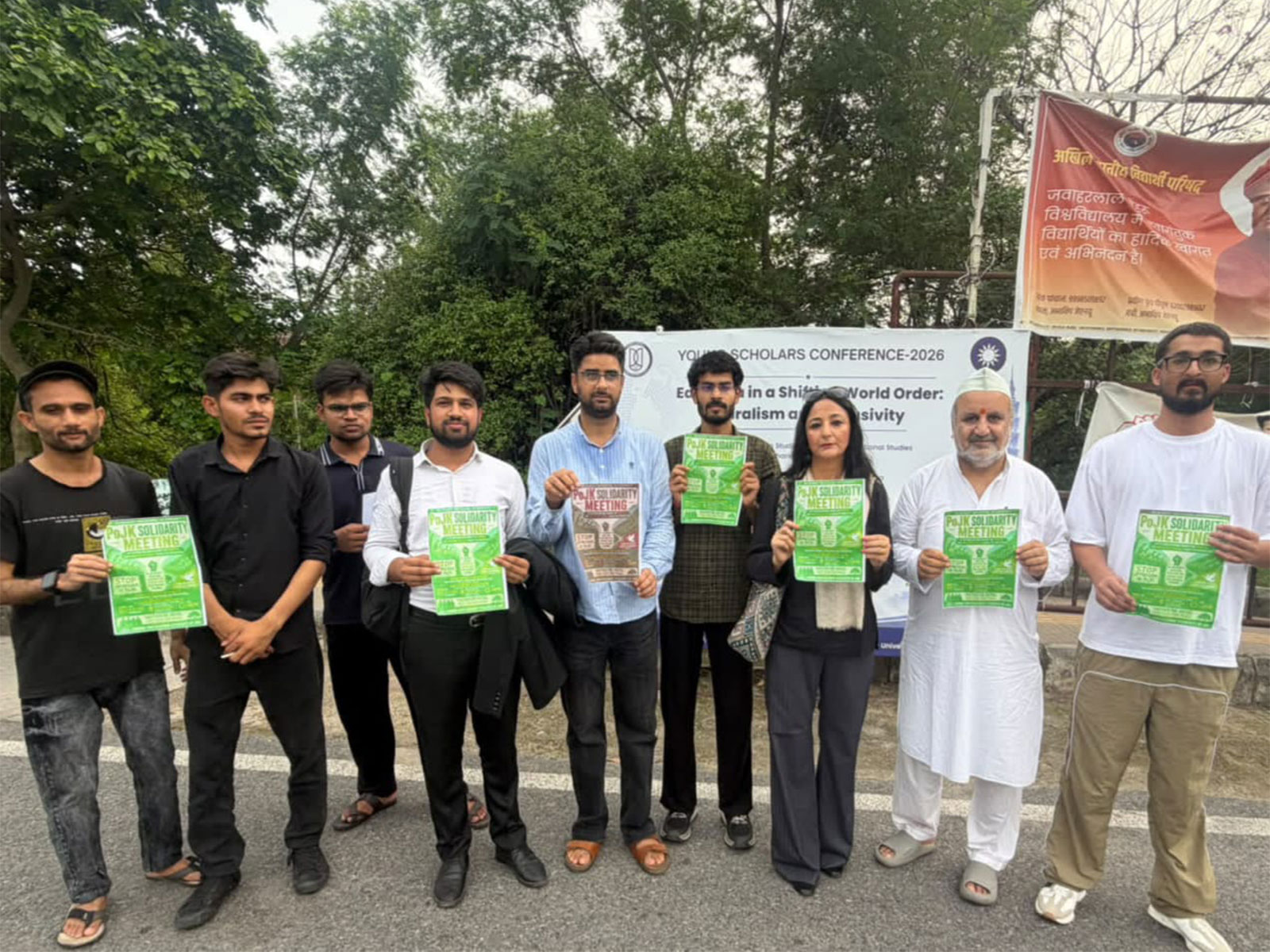
A silent protest was held on July 31 at Jawaharlal Nehru University (JNU) in New Delhi by activists from Jammu and Kashmir. This demonstration aimed to call attention to alleged brutalities experienced by residents of Pakistan-occupied Jammu and Kashmir (PoJK). The peaceful protest highlighted ongoing human rights concerns and sought to raise awareness among students and the broader community.

Solidarity Meeting and Community Participation

Prior to the protest, a gathering took place at Sabarmati Dhaba, also within the JNU campus, under the banner of Jammu and Kashmir Students of JNU. This meeting attracted a diverse group of participants, including students, academics, and local community members, who came together to express solidarity with those in PoJK. The attendees voiced concerns regarding reported human rights violations and the suffering faced by civilians in the region.

Speakers at the meeting emphasised that civilians should not endure the consequences of political conflict, reinforcing the necessity to prioritise the rights and welfare of all communities affected. Prominent social activist Ravinder Pandita and Romi Sharma Poonchi were among those who participated, condemning the reported violence and calling for urgent attention to the humanitarian crises in PoJK.

The assembly made a collective call for the international community and relevant human rights organisations to take notice of the situation in PoJK. The speakers urged these entities to investigate the alleged violations and pursue actions that would ensure accountability, protect civilians, and uphold human rights.

Concerns Raised by Participants

Rizwan Ahmed, a law student from Jamia Millia Islamia, addressed the attendees, criticising Pakistan’s actions concerning PoJK. He underscored the critical importance of safeguarding fundamental human rights and advocated for peaceful, lawful approaches to resolve the concerns of the region’s residents. His remarks resonated with the sentiment expressed by other speakers during the event.

Umar Farooq, a PhD Research Scholar at JNU’s School of Language, Literature and Culture Studies, reflected on the deep historical and cultural ties among the region’s people. He spoke about the lasting suffering caused by the Partition of India and stressed the need for preserving shared heritage while fostering dialogue, peace, and reconciliation. His insights reminded the attendees of the intrinsic connections that bind communities across the border.

Hamid Hashmi, another PhD Research Scholar at JNU, described the people of PoJK as “our own people,” emphasising the shared history and familial links that unite them. He highlighted the reported hardships and human rights concerns faced by civilians in the area and called upon democratic institutions and civil society organisations to advocate for justice and human dignity.

Conclusion of Gathering with Appeals for Justice

The meeting concluded on a hopeful note, with a collective appeal for peace, justice, and respect for human dignity. Participants reiterated their belief that humanitarian concerns should transcend political divides. They expressed a desire for a future rooted in dialogue, coexistence, and the protection of the rights of all individuals, mirroring the longstanding call for justice in complex geopolitical contexts.

Long or Short, get news the way you like. No ads. No redirections. Download Newspin and Stay Alert, The CSR Journal Mobile app, for fast, crisp, clean updates!

App Store –  https://apps.apple.com/in/app/newspin/id6746449540 

Google Play Store – https://play.google.com/store/apps/details?id=com.inventifweb.newspin&pcampaignid=web_share

Latest News

Popular Videos
