


Israel’s Parliament Dissolved, Election Scheduled for October 27
The CSR Journal Magazine

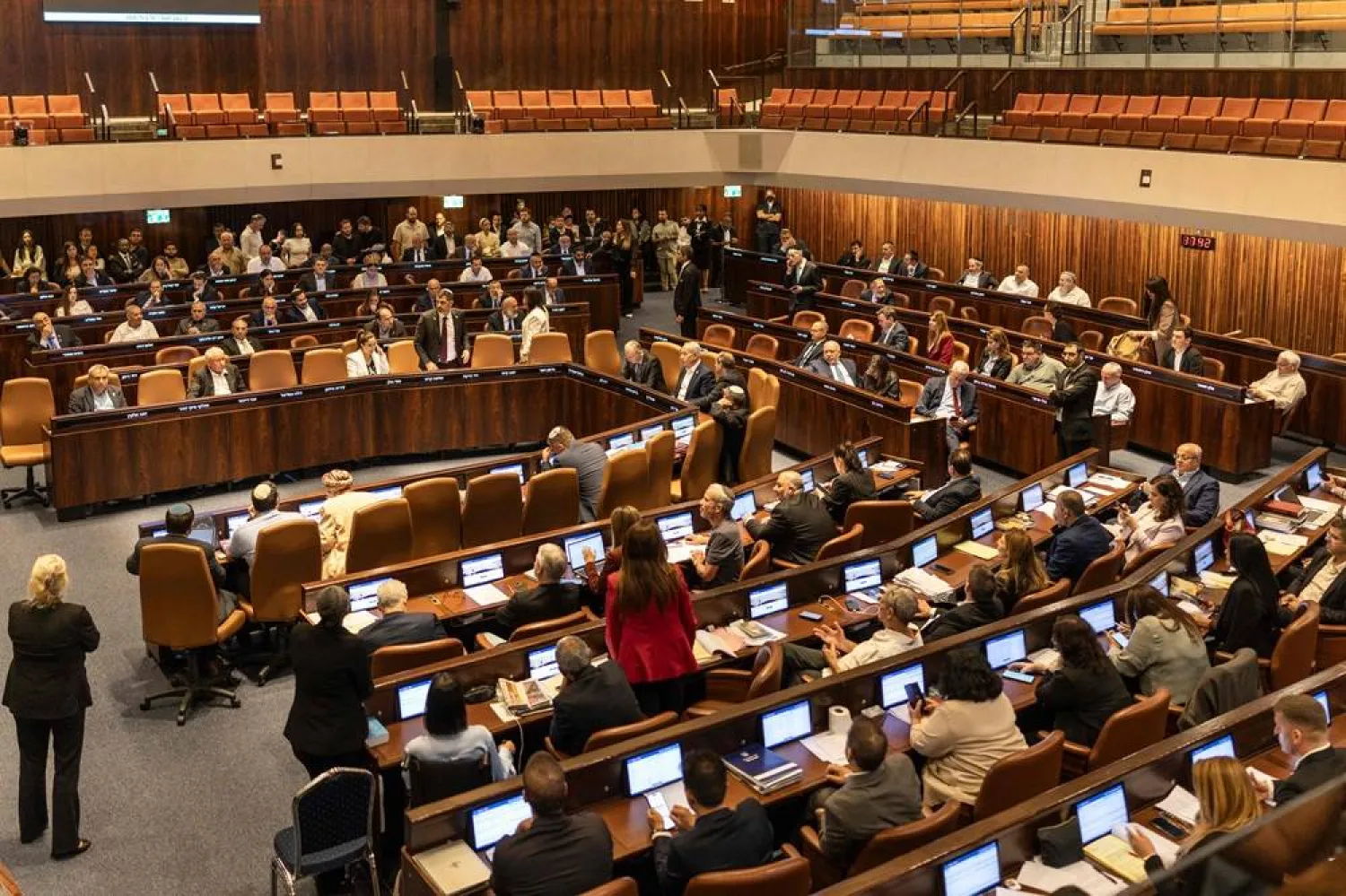
Israel’s parliament, known as the Knesset, was dissolved early on Friday after lawmakers passed a series of bills during the final hours of Prime Minister Benjamin Netanyahu’s coalition government. This decision paves the way for elections set to take place on October 27. The dissolution comes at a critical juncture, with Netanyahu facing challenges in maintaining his grip on power ahead of the impending vote.

The Knesset was scheduled to commence its summer recess on Friday and will not reconvene prior to the elections. In the lead-up to this dissolution, lawmakers engaged in extended sessions to approve various controversial bills. This push aligns with Netanyahu’s efforts to secure his political base and enact significant legislative changes.

Among the legislation passed was a measure that effectively halts the enlistment of ultra-Orthodox individuals in the military, a strategic move aimed at ensuring support from ultra-Orthodox parties in a future coalition government. Additionally, bills tied to Netanyahu’s proposed judicial reforms were also approved, focusing on increasing governmental influence over media and diminishing the attorney general’s powers.

Political Context and Historical Significance

Knesset Speaker Amir Ohana, while announcing the dissolution, remarked on the completion of a four-year term, thanking the legislative body for its collaborative efforts. He noted the passage of nine budgets and numerous bills during this period, reflecting on the significance of completing a full legislative term in Israeli politics.

Completing a full term without early elections is an infrequent occurrence in Israel, with the last instance happening in 1988. Notably, Israel does not impose term limits on its prime ministers. Netanyahu, who has served multiple terms, has encountered challenges in completing a single four-year term, with the nation having experienced five elections from 2019 to 2022.

Data from the Israel Democracy Institute reveals that Israel averages elections every 2.4 years, indicating a trend of political instability. This recurrent cycle of voting reflects the country’s struggles with governance and coalition-building amidst ongoing sociopolitical tensions.

Upcoming Election Amidst Uncertainty

With the Knesset officially dissolved, Israel transitions into another electoral campaign, following a term characterised by conflict and political turbulence. The upcoming election marks a significant moment, not only for Netanyahu’s coalition but also for the opposition parties, which are gaining traction among voters. Former Prime Minister Naftali Bennett and a well-liked former military chief are at the forefront of these opposition movements.

This election comes nearly three years after the October 7 attack, a pivotal event that has influenced both public sentiment and political dynamics within the country. As the date approaches, various parties will likely intensify their campaigning efforts, striving to secure votes in a politically charged environment.

The dissolution of the Knesset and the subsequent electoral race underscore the ongoing complexities within Israeli politics. As citizens prepare to head to the polls, questions surrounding governance, coalition stability, and potential reforms will undoubtedly play a central role in shaping the political landscape for the foreseeable future.

Long or Short, get news the way you like. No ads. No redirections. Download Newspin and Stay Alert, The CSR Journal Mobile app, for fast, crisp, clean updates!

App Store –  https://apps.apple.com/in/app/newspin/id6746449540 

Google Play Store – https://play.google.com/store/apps/details?id=com.inventifweb.newspin&pcampaignid=web_share

Latest News

Popular Videos
