


Israel Airstrikes in Southern Lebanon Kill Three, Injure Several Amid Escalating Tensions
The CSR Journal Magazine

Israel recently conducted more than ten airstrikes across southern Lebanon, resulting in the deaths of at least three individuals. Among the deceased were a father and his son, sources from Lebanon’s Health Ministry have revealed. The strikes have drawn considerable attention due to the fatalities and injuries they have caused.

The airstrikes reportedly also left dozens of others wounded, escalating the humanitarian situation in the region. The specifics regarding the injuries have not been disclosed, but the Health Ministry has indicated that medical facilities are struggling to cope with the influx of casualties. Residents have expressed feelings of fear and uncertainty following the assaults.

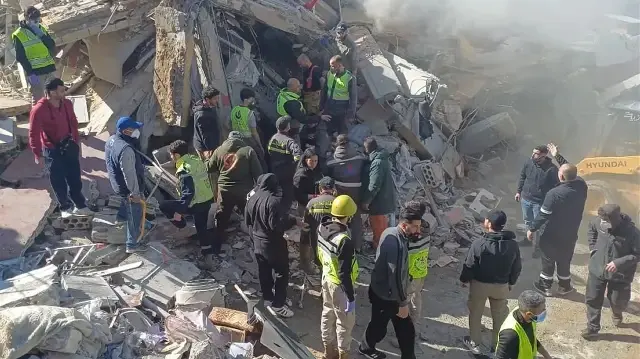
Videos circulating online depict the aftermath of the airstrikes, showcasing extensive damage to buildings and infrastructure in southern Lebanon. Eyewitnesses have described scenes of chaos, with emergency services working tirelessly to assist the wounded. These visuals highlight the impact of military actions on civilian populations in conflict zones.

Background of Ongoing Conflict

This recent escalation in violence forms part of a broader pattern of tensions that have been persistent in the region. The relationship between Israel and Lebanon has long been fraught, with numerous confrontations recorded over the years. The current situation reflects the complexities of warfare, particularly in densely populated civilian areas.

Historical animosities, territorial disputes, and issues surrounding militant groups have contributed to ongoing hostilities. Both countries have been involved in cycles of retaliatory attacks, which often lead to civilian casualties, further complicating the landscape of peace negotiations. The strikes in question have reportedly involved areas close to the border, where military engagements are frequent.

In response to the strikes, various international organisations have called for restraint from both sides. Efforts to facilitate dialogue and reduce tensions have been ongoing, but achieving a lasting resolution remains a challenging task. Observers note that humanitarian considerations often get overshadowed by military objectives, stressing the urgent need for peace initiatives.

International Reaction to the Strikes

The international community has reacted to the recent escalation in violence in southern Lebanon, with multiple nations expressing concern over civilian injuries and fatalities. Calls for an immediate cessation of hostilities have been made by several foreign governments and organisations aiming to mediate the situation. These appeals underline the desire for de-escalation and peace in the region.

Analysts believe that any significant diplomatic dialogue must include comprehensive discussions on both immediate and long-term peace strategies. The involvement of neutral parties may be essential to foster discussions that address the complex dynamics at play in the Israel-Lebanon relationship.

As regional and global stakeholders grapple with the implications of these strikes, the humanitarian impact remains a pressing concern. With many civilians affected, the focus is now on how relief can be delivered effectively in the face of continuing conflict. Without intervention, the potential for further violence looms large, underscoring the fragile nature of peace in the region.

Long or Short, get news the way you like. No ads. No redirections. Download Newspin and Stay Alert, The CSR Journal Mobile app, for fast, crisp, clean updates!

App Store –  https://apps.apple.com/in/app/newspin/id6746449540 

Google Play Store – https://play.google.com/store/apps/details?id=com.inventifweb.newspin&pcampaignid=web_share

Latest News

Popular Videos
