


Iran’s Supreme Leader Mojtaba Khamenei Reportedly In Good Health
The CSR Journal Magazine

Dr Mohammad Hossein Ziyaeenia, the Deputy Representative of Iran in India, has addressed public concerns regarding the health of Supreme Leader Ayatollah Mojtaba Khamenei. In an interview with ANI on April 28, Ziyaeenia firmly stated that the Supreme Leader is in “a good situation and fine.” He reiterated that any speculation about Khamenei’s health status is unfounded and inaccurate.

According to Ziyaeenia, recent communications have confirmed Khamenei’s stable condition. “Thanks to God, he is healthy,” he expressed, urging the public to disregard circulating unfounded claims about Khamenei’s health problems. He denounced the rumours as lacking authenticity, emphasizing that they do not reflect the reality of the Supreme Leader’s situation.

Context of Khamenei’s Public Visibility

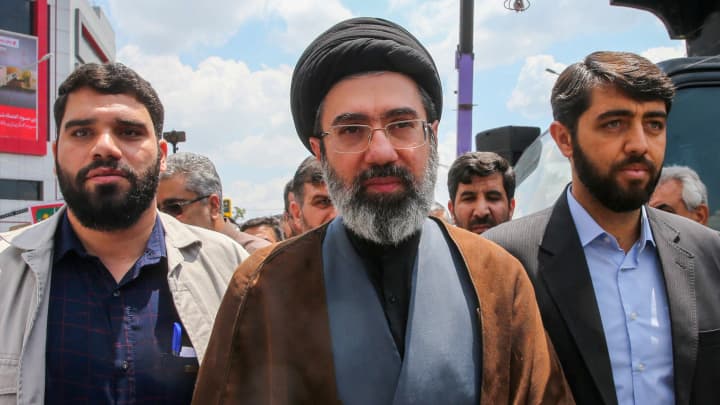
Reports published in The New York Times highlighted that Khamenei has been largely absent from public view following airstrikes on February 28 that targeted the residential compound of former Supreme Leader Ali Khamenei. This incident reportedly resulted in the deaths of Khamenei’s wife and son, leading to tightened access to the current Supreme Leader.

As a consequence of the attack, only a select group, primarily medical staff, have had the opportunity to attend to Khamenei while he recuperates from injuries. The restriction on access has intensified speculation regarding his well-being, which Ziyaeenia aims to clarify by affirming that the Supreme Leader is indeed recovering well.

Dismissing claims of internal turmoil, Ziyaeenia pointed out that the Iranian populace remains united during these trying times. He indicated that misconceptions regarding Khamenei’s health and the stability of the Iranian government often stem from a lack of understanding of Iran’s governmental structure.

Iran’s Position on Regional Conflicts

In response to questions about the ongoing conflict involving Israel and the United States, Ziyaeenia reiterated Iran’s stance. He underscored that Iran did not initiate the current hostilities and expects to play a crucial role in bringing it to an end. He referenced remarks by late Supreme Leader Ali Khamenei, stating, “Americans, the enemies, started this war, but we are the ones who will finish this war; we will decide how this war will finish.”

Ziyaeenia outlined the complexities of the situation, remarking that while many countries, including Russia, China, and India, can influence the conflict, the focus should not solely be on economic implications such as fuel prices. He stressed that the lives lost during the conflicts hold far greater significance than any monetary concerns.

Regarding another inquiry about perceived internal tensions in Iran, Ziyaeenia noted that such narratives are propagated by those unfamiliar with the country’s governance. He clarified that the Iranian political system is structured as a republic and is not reliant on a single figure, implying it is resilient regardless of any individual’s circumstances.

As of April 7, a fragile ceasefire has been observed between Iran and the US, following increased hostilities that commenced in late February. The ongoing conflict has created disruptions in global energy supplies, further complicating the geopolitical landscape. The Deputy Representative’s remarks intend to reassure both the Iranian populace and international observers about the stability and leadership of Iran despite recent turmoil.

Long or Short, get news the way you like. No ads. No redirections. Download Newspin and Stay Alert, The CSR Journal Mobile app, for fast, crisp, clean updates!

App Store –  https://apps.apple.com/in/app/newspin/id6746449540 

Google Play Store – https://play.google.com/store/apps/details?id=com.inventifweb.newspin&pcampaignid=web_share

Latest News

Popular Videos
