


India’s Fuel Price Hike Among Lowest Globally Despite Nearly Rs 7 Per Litre Increase
The CSR Journal Magazine

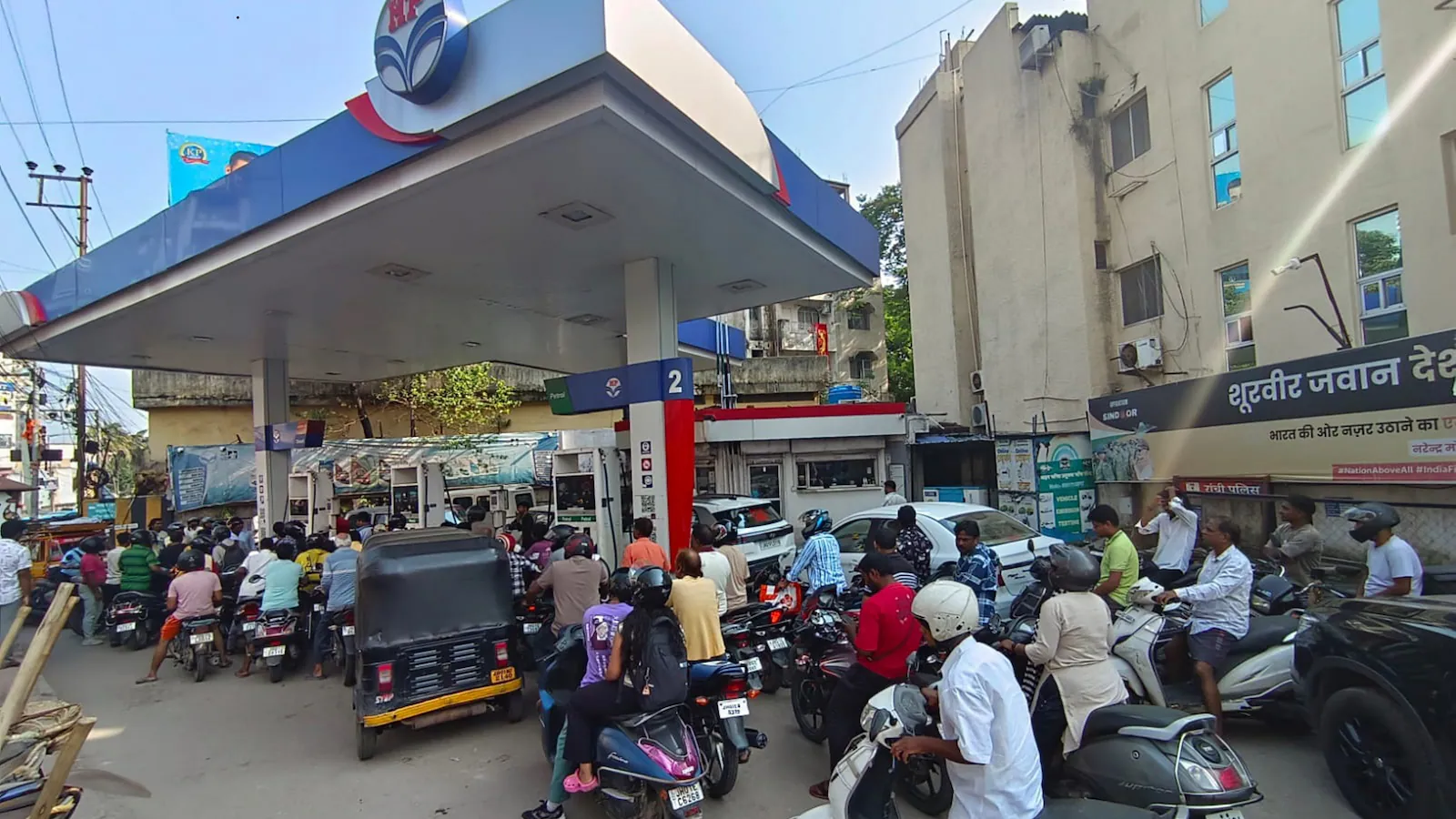
During the recent global oil crisis, India reportedly managed to keep increases in petrol and diesel prices among the lowest globally, according to government sources. This stability was maintained for 78 days despite international volatility in oil prices before a phased increase started in mid-May.

Price adjustments for petrol and diesel occurred in four instalments—on May 15, 19, 23, and 25—with the cumulative hike amounting to nearly Rs 7 per litre. These increments were modest when compared to the drastic rises seen in many countries worldwide.

Government sources highlighted that while various nations encountered much higher fuel price surges, India maintained a controlled increase. Petrol prices in Delhi are currently around Rs 102 per litre, and diesel is priced at nearly Rs 95 per litre.

Comparison with International Fuel Prices

In stark contrast to India’s price stability, petrol prices in countries like Myanmar surged by 89%, and diesel prices rose by 112%. Notably, nations such as Pakistan, the UAE, the USA, and the Philippines experienced increases exceeding 40–50% during this period.

In Europe, petrol prices reportedly ranged from Rs 180 to Rs 235 per litre, underscoring India’s relatively lower fuel costs compared to other regions. Sources noted that in markets where fuel is not subsidised, India stands out as one of the most affordable regions for fuels.

The pricing discrepancies can largely be attributed to local taxes imposed by state governments. The Centre levies a uniform excise duty across the nation, while state governments add their own Value Added Tax (VAT), resulting in varied fuel prices throughout different states.

Political Debates Surrounding Fuel Prices

The ongoing conversation about fuel pricing has taken a political turn, with the government citing state-imposed taxes as significant contributors to varying costs across India. Some states controlled by opposition parties reportedly impose higher VAT on fuels, exacerbating the cost burden for consumers.

As per reported figures, Telangana has recorded some of the highest petrol prices, standing at approximately Rs 118 per litre. Kerala follows closely with petrol priced at Rs 114, Karnataka at Rs 110, and Tamil Nadu at Rs 107 per litre. Conversely, states governed by the BJP, such as Gujarat, Uttar Pradesh, Haryana, and Assam, consistently show lower fuel prices, ranging from Rs 101 to Rs 104 per litre.

Diesel prices have also become a focal point in this political debate. States ruled by opposition parties are alleged to levy higher taxes, which has pushed diesel prices above Rs 100 per litre in states like Telangana and Kerala. Government claims indicate that the Centre has acted to alleviate pressure by reducing excise duties multiple times since 2021.

In March 2026, the government reportedly facilitated relief of up to Rs 10 per litre. Officials assert that these measures helped maintain control over fuel prices during major global disruptions, including conflicts and crises affecting oil supply.

Financial Implications and Oil Bonds

Government sources have raised concerns about financial burdens created by past administrations, specifically alleging that oil bonds were issued under the previous UPA regime to manage fuel subsidies. The current government contends that the fiscal responsibility has shifted to the central Budget.

It has been claimed that since 2021, more than Rs 1.3 lakh crore has been allocated towards servicing oil bond liabilities. This situation has resulted in significant financial implications for both oil marketing companies and the government.

During the Hormuz crisis, oil marketing companies reportedly faced substantial under-recoveries, absorbing an estimated financial strain of Rs 1,000 crore per day to navigate market challenges. The reductions in the Special Additional Excise Duty (SAED) have had a notable budget impact, estimated to cost the Centre around Rs 30,000 crore.

Long or Short, get news the way you like. No ads. No redirections. Download Newspin and Stay Alert, The CSR Journal Mobile app, for fast, crisp, clean updates!

App Store –  https://apps.apple.com/in/app/newspin/id6746449540 

Google Play Store – https://play.google.com/store/apps/details?id=com.inventifweb.newspin&pcampaignid=web_share

Latest News

Popular Videos
