


India Loses Bangladesh Mongla Port Deal to China: Why Should This be a Concern?
The CSR Journal Magazine

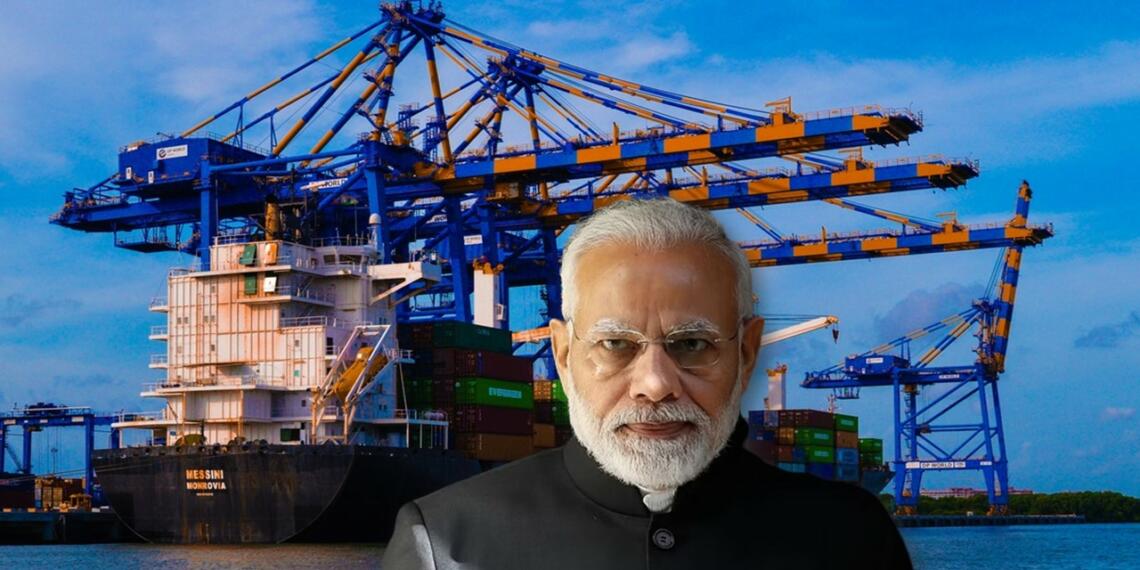
India’s recent loss of the Mongla Port project to China is a significant development amidst evolving relations between India and Bangladesh. The agreement signed by Bangladesh Prime Minister Tarique Rahman with a Chinese state-owned enterprise marks a strategic shift in Bangladesh’s foreign partnerships. Originally, the land was intended for an Indian economic zone as part of a broader initiative to modernise Bangladesh’s port infrastructure.

Mongla Port, located near the Bay of Bengal, is Bangladesh’s second-largest seaport, just 188 km from Kolkata, India. The new economic zone, set to cover 110 acres adjacent to the port, will focus on developing manufacturing capabilities and related facilities. The project reflects China’s ongoing efforts to increase its influence in the region, particularly as India has historically viewed this area as within its sphere of influence.

The shift in Bangladesh’s strategy follows a period of turbulent relations. Earlier, initiatives for collaboration between India and Bangladesh were encouraged under Sheikh Hasina’s leadership, signalling a previous commitment to strengthening ties. The recent agreement signals a pivot towards stronger relations with China, implying a change in Bangladesh’s diplomatic orientation.

Implications for Regional Dynamics

India’s concerns regarding this development are multifaceted. Primarily, the project represents a strategic advantage lost to a growing Chinese presence in the Bay of Bengal and the Indian Ocean. While investments in port infrastructure do not guarantee military access, China has a history of exploiting such investments for strategic purposes, leading to increased surveillance capabilities in crucial maritime regions.

Additionally, this change could initiate a broader strategic competition between India and China, particularly in areas where India has traditionally held influence. The implications for regional security dynamics may grow, as China has been actively expanding its maritime presence through developments across the Indian Ocean, including key port projects in countries like Pakistan and Djibouti.

Bangladesh’s decision also highlights its ambitions for modernising infrastructure to facilitate trade and economic growth. However, aligning more closely with China raises questions about the long-term viability of its relationships with India, which has been a significant partner in development efforts. Tensions surrounding investment and strategic alignment could proliferate.

Historical Context of the Project’s Development

The significance of the Mongla Port project dates back to 2015 when India and Bangladesh signed a Memorandum of Understanding to develop two economic zones, including one at Mongla. The initiative was aimed at enhancing bilateral trade relations and modernising Bangladesh’s port capabilities to rival the more established Chittagong Port.

Under the Modi administration, India had earmarked the Hiranandani Group to lead the development at Mongla, with expectations of enhancing operational capacity. However, political turmoil in Bangladesh affected the project’s realisation, culminating in delays and operational challenges. Following significant protests in 2024, the interim government shifted the project’s focus away from Indian involvement.

In 2025, Bangladesh withdrew India’s involvement entirely, citing a lack of action from the Indian developer. Sensing an opportunity, China sought to fill the void, leading to the recent agreement, which further solidifies China’s foothold in the region. This has raised questions about the future of Indo-Bangladesh relations and the balance of influence in South Asia.

Moreover, developments concerning the Teesta River also warrant attention. As Bangladesh seeks increased cooperation with China on this critical water management project, India may find its water security concerns exacerbated, particularly regarding strategic locations like the Siliguri Corridor. How Bangladesh navigates these relationships remains crucial as it balances economic interests and regional stability.

Long or Short, get news the way you like. No ads. No redirections. Download Newspin and Stay Alert, The CSR Journal Mobile app, for fast, crisp, clean updates!

App Store –  https://apps.apple.com/in/app/newspin/id6746449540 

Google Play Store – https://play.google.com/store/apps/details?id=com.inventifweb.newspin&pcampaignid=web_share

Latest News

Popular Videos
